
Cucumber Cucumis sativus
Why Is My Cucumber Turning Yellow on the Vine
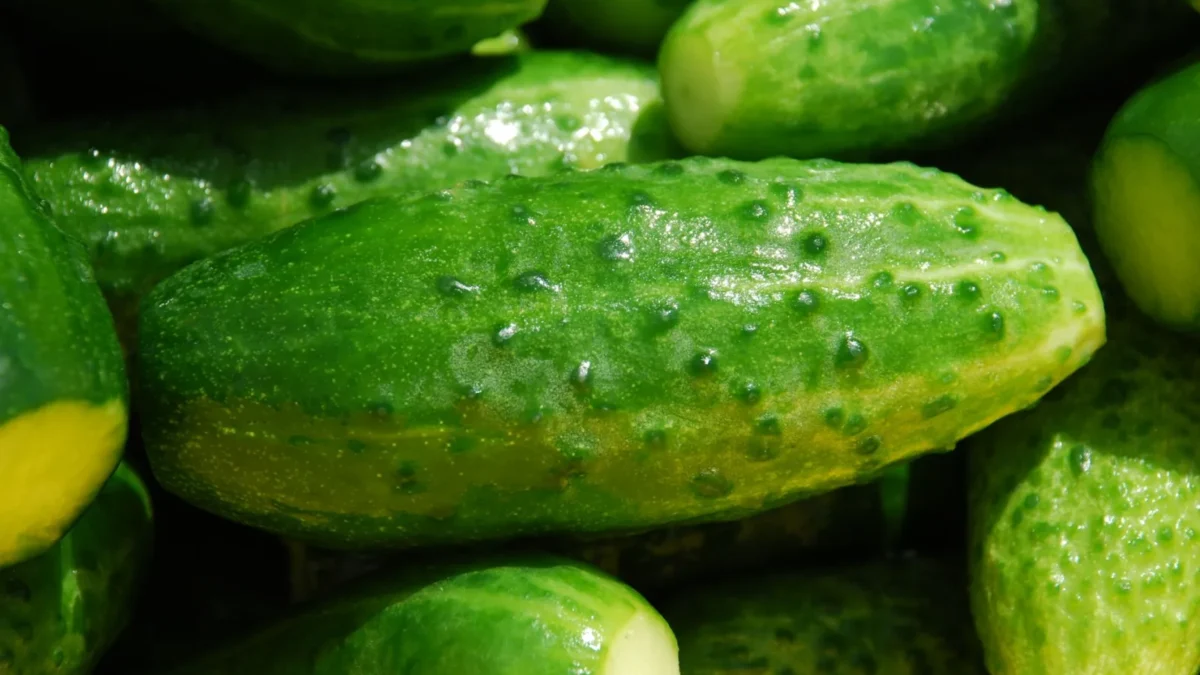
Quick answer: A cucumber turning yellow on the vine is usually ready to harvest if it’s fully sized, but yellowing can also signal overmaturity, disease, nutrient shortage, or poor growing conditions—each needs a different fix.
| Botanical name | Cucumis sativus |
|---|---|
| Light | Full sun |
| Watering | About 1 inch per week during growing season; water soil with drip or soaker hose |
| Temperature | Ideal 75-80°F for growth; killed by light frosts |
| Soil | Loose, fertile, medium textured, organically rich, slightly acidic, well-drained; pH 6.0-6.5 |
| Feeding | Balanced liquid fertilizer every 10-14 days for container plants |
| Size | Height 0.75-1.5 feet; spread 3-8 feet |
| Difficulty | easy |
| Cats | ✓ non-toxic |
| Dogs | ✓ non-toxic |
Yellow fruit on the vine doesn’t always mean trouble. If your cucumber is full-sized and turning pale yellow, it’s likely just ripening and ready to pick. But catch cucumbers young; older ones develop large seeds and toughen. If yellowing happens too early, spreads quickly, or your fruit stays small and undersized, something else is going on.
Ripeness versus overmaturity
A healthy cucumber that’s reached its mature size will naturally begin turning yellow as it ripens. This is normal. However, fruits rarely turn yellow after harvest, so don’t wait hoping it will improve off the vine. Pick fruit regularly once they are about the size of a tennis ball, to encourage more fruit production. Overmature cucumbers aren’t just less pleasant to eat—leaving them on the plant signals to the plant that reproduction is complete, and it stops producing new flowers and fruit.
Disease and environmental stress
If younger fruit or unripe cucumbers are yellowing, look for disease. Downy mildew, a common and destructive problem, causes yellow or tan angular spots between the leaf veins visible on the upper surface of older leaves in early-late summer. When severe, it weakens the whole plant and fruit may yellow prematurely.
Water stress also causes yellowing. Too much water robs the soil of the oxygen required for healthy root growth, while too little robs the roots of the moisture required for healthy root growth. Aim for about one inch of water from rainfall or irrigation each week during the growing season. Water the plants with a drip hose, soaker hose or a careful watering of the soil, so that the leaves stay dry. Water sandy soils more often, but with lower amounts applied at any one time.
Temperature matters too. Ideal temperature for growth and development is 75 to 80°F. If nights drop below this or conditions turn cool, cucumbers may yellow and slow their growth.
Nutrient deficiency
A common reason cucumber leaves yellow is nutrient deficiency, especially nitrogen. Yellow lower leaves signal nitrogen shortage; this mobile-nutrient mechanism is why yellowing that starts at the base and works upward is the classic fingerprint of nitrogen shortage. If you see this pattern and aren’t feeding regularly, feed every 10-14 days with a balanced liquid fertiliser.
Other nutrients can cause yellowing too. Magnesium deficiency shows up as yellow tissue between the veins on older leaves while the veins themselves stay green – a symptom called interveinal chlorosis. A cucumber plant with yellow leaves and green veins indicates an iron deficiency. Both are less common than nitrogen shortage but worth checking if balanced feeding hasn’t helped.
FAQ
Why is my cucumber turning white?
White coating on fruit or leaves is usually powdery mildew, a fungal disease. When the disease develops sufficiently on the leaves to cover the surface of the leaves, cucumber growth is decreased, and photosynthesis is suppressed, thereby lowering the yield and quality of cucumber. A common natural treatment for powdery mildew is milk; simply mix milk with water at a ratio of 1:10 to 1:2 and spray onto the affected foliage twice a week.
Why is my cucumber turning orange on the vine?
Orange cucumbers are usually severely overripe and have been left on the vine too long. Harvest before this stage for best flavor and texture.
Should I pick a yellow cucumber?
If it’s full-sized and pale yellow, yes—it’s ripe. If it’s small, undersized, or bright yellow with spotting, harvest it and investigate the plant for disease, water problems, or nutrient shortage.
Read the full guide: Cucumber Care: The Complete Growing Guide
Was this article helpful?