
Cucumber Cucumis sativus
Why Are My Cucumber Leaves Drooping or Wilting
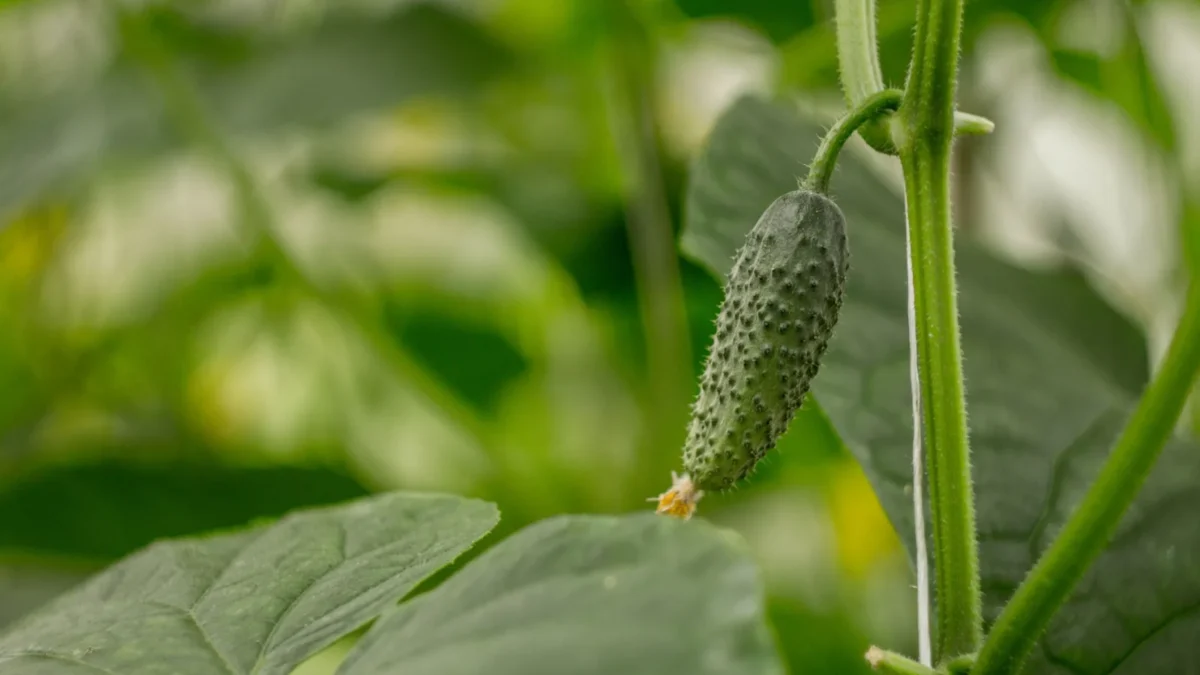
Quick answer: Cucumber leaves droop or wilt when the plant isn’t getting enough water, is getting too much water, experiences extreme heat, or suffers from pest damage. Check your soil moisture, temperature conditions, and look for visible insects to pinpoint the cause.
| Botanical name | Cucumis sativus |
|---|---|
| Light | Full sun |
| Watering | About 1 inch per week during growing season; water soil with drip or soaker hose |
| Temperature | Ideal 75-80°F for growth; killed by light frosts |
| Soil | Loose, fertile, medium textured, organically rich, slightly acidic, well-drained; pH 6.0-6.5 |
| Feeding | Balanced liquid fertilizer every 10-14 days for container plants |
| Size | Height 0.75-1.5 feet; spread 3-8 feet |
| Difficulty | easy |
| Cats | ✓ non-toxic |
| Dogs | ✓ non-toxic |
Diagnose the problem
| What you see | Likely cause | What to do |
|---|---|---|
| Soil feels bone dry; leaves wilt during the day, recover slightly at night | Underwatering | Water deeply until the soil is moist 6 inches down; apply about 1 inch of water per week |
| Soil is soggy; leaves are wilted and yellow; roots smell mushy | Overwatering | Reduce watering frequency; ensure soil drains well; allow soil to dry slightly between waterings |
| Leaves droop even when soil is moist; temperature is above 85°F; plant looks heat-stressed | Heat stress | Increase watering frequency; provide afternoon shade; ensure good airflow around plants |
| Tiny yellow-green beetles visible; leaves have small holes; plant weakens quickly | Cucumber beetles | Remove beetles by hand; cover young plants with row covers; spray insecticidal soap if severe |
| Fine webbing on leaves; stippled or discolored foliage; tiny moving dots | Spider mites | Spray with water to remove mites; increase humidity; use neem oil if infestation is heavy |
| Leaves look yellowed and distorted; sticky residue on foliage | Aphids | Spray with strong water stream; apply insecticidal soap; encourage natural predators |
Understanding water problems
Underwatering is the most obvious cause. Cucumbers need about 1 inch of water per week during the growing season, and inconsistent watering makes plants vulnerable to wilting. The key is soaking the soil thoroughly when you water, then letting the top layer dry slightly before watering again. Too much water robs the soil of the oxygen required for healthy root growth, while too little robs the roots of the moisture required for healthy root growth.
How you water matters as much as how much. Water the soil directly with a drip or soaker hose, not the leaves. If you have sandy soil, water more frequently but in smaller amounts each time.
If your plants are trellised and growing vertically, they may require watering more often, since vertical growth and air exposure increase evaporation.
Heat stress and environmental factors
Cucumbers thrive in full sun and prefer temperatures between 75 and 80°F. When temperatures climb significantly higher and humidity is low, even well-watered plants can wilt temporarily during the hottest part of the day. This usually recovers once evening cools things down, but repeated stress reduces yield and fruit quality.
If heat is the culprit, increase watering slightly, ensure good air circulation around your plants, and consider providing afternoon shade during extreme heat waves. Your cucumber patch should recover quickly once conditions improve.
Pest and disease damage
Cucumber beetles, aphids, and spider mites all feed by piercing plant tissues and extracting sap,. As the plant loses fluids, leaves can droop even when soil moisture is adequate. Infested leaves may also show yellowing, stippling (tiny holes), or fine webbing.
Spider mites are particularly damaging because they reproduce rapidly. Shake a leaf over white paper—if tiny moving dots fall off, you have mites. Spray plants with a strong stream of water to dislodge them, then spray again in 3 days.
Cucumber beetles are more serious because they can transmit bacterial wilt, a disease with no cure that kills plants. Early control is critical—remove beetles by hand in early morning or cover young plants with row covers.
Preventing drooping leaves
Maintain consistent soil moisture without waterlogging. Water early in the morning so soil has time to absorb water before the heat of the day. Keep leaves dry while watering to prevent fungal diseases that can compound stress. Ensure your plants are in full sun and have good airflow—spacing plants according to their mature spread (3 to 8 feet) gives roots room to establish and lets air circulate.
Use well-draining soil enriched with compost or well-rotted manure, which helps retain moisture while preventing waterlogging. Scout for insects twice a week, especially early in the season, and act immediately if you spot pests. Stressed plants are more vulnerable to both insects and disease, so consistent care prevents most drooping problems before they start.
Read the full guide: Cucumber Care: The Complete Growing Guide
Was this article helpful?
More about Cucumber
The same problem in other plants
- How to Revive Wilted Lettuce Plants
- Why Bell Peppers Are Drooping or Wilting
- Why Are My Zucchini Leaves Drooping or Wilting?
- Why Is My Tomato Plant Wilting?
Sources
Photo: NastyaSensei / Pexels, Pexels