
Cucumber Cucumis sativus
Why Is My Cucumber Bitter? Causes and Prevention
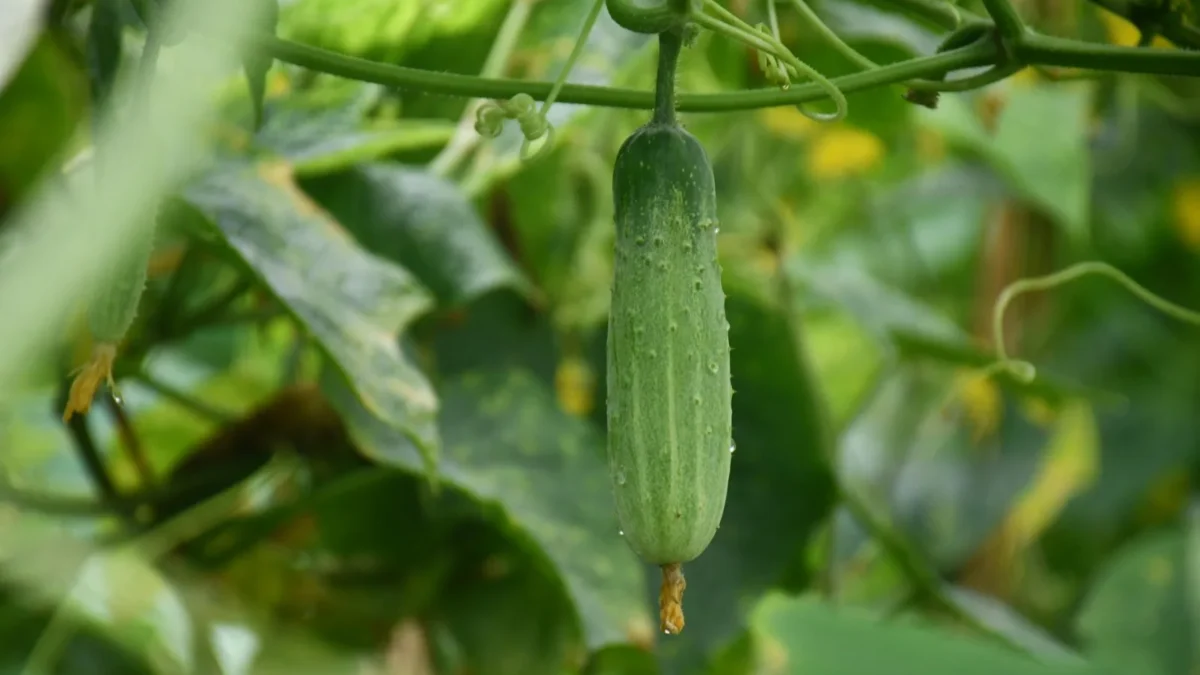
Quick answer: Cucumbers become bitter due to stress from irregular watering, temperature fluctuations, or nutrient problems. Some varieties are naturally more prone to bitterness. Choosing adapted varieties, maintaining consistent growing conditions, and harvesting young fruit prevents most bitter cucumbers.
| Botanical name | Cucumis sativus |
|---|---|
| Light | Full sun |
| Watering | About 1 inch per week during growing season; water soil with drip or soaker hose |
| Temperature | Ideal 75-80°F for growth; killed by light frosts |
| Soil | Loose, fertile, medium textured, organically rich, slightly acidic, well-drained; pH 6.0-6.5 |
| Feeding | Balanced liquid fertilizer every 10-14 days for container plants |
| Size | Height 0.75-1.5 feet; spread 3-8 feet |
| Difficulty | easy |
| Cats | ✓ non-toxic |
| Dogs | ✓ non-toxic |
How stress makes cucumbers bitter
When cucumbers experience environmental stress, they produce compounds that taste bitter as a defense mechanism. The most common triggers are watering problems. Cucumbers need about one inch of water per week during the growing season, and this must be consistent—both too much and too little stress the plant. Irregular watering causes the plant to concentrate sugars and defensive compounds in the fruit, making it taste harsh.
Temperature swings also stress cucumber plants significantly. Ideal growth happens at 75–80°F, and the crop is killed by even light frosts. Cold snaps or unseasonably cool weather slow growth and trigger bitter flavors. If you’re growing cucumbers in containers, they’re more vulnerable to temperature stress than ground-planted varieties.
Growing conditions that prevent bitterness
Provide full sun and consistent moisture. Water deeply with a drip or soaker hose rather than overhead sprinklers, so the soil stays evenly moist and leaves stay dry. If you grow in sandy soil, water more frequently but with smaller amounts each time.
Soil nutrition matters too. Grow cucumbers in loose, fertile, organically rich, well-drained soil with a pH between 6.0 and 6.5. If you’re growing in containers, feed every 10–14 days with a balanced liquid fertilizer. Nutrient stress, especially nitrogen deficiency, can affect fruit quality and flavor.
Harvest young fruit—this is crucial for taste as well as texture. Pick cucumbers when young because older cucumbers toughen as they develop large seeds. Overripe fruit is more likely to taste bitter and have a mealy texture. Once plants flower, pick regularly, about when fruit reaches the size of a tennis ball, to keep production steady and encourage more blooms.
FAQ
Do some cucumber varieties taste less bitter than others?
Yes. Some varieties are naturally more bitter than others—mainly older heirloom and slicing types. Modern greenhouse and pickling varieties are usually bred for sweeter, milder flavor. If bitterness is a persistent problem, try a different variety known for consistent sweetness.
Can I fix a bitter cucumber after picking?
No. Bitterness develops in the fruit on the plant due to stress and cannot be removed after harvest. Prevention through proper growing conditions is the only solution.
When should I harvest to avoid bitter flavor?
Harvest in the afternoon once fruit is about tennis-ball sized. Young, tender cucumbers are naturally sweeter and crisper than large, mature ones.
Read the full guide: Cucumber Care: The Complete Growing Guide
Was this article helpful?