
Cucumber Cucumis sativus
How Often to Water Cucumber Plants
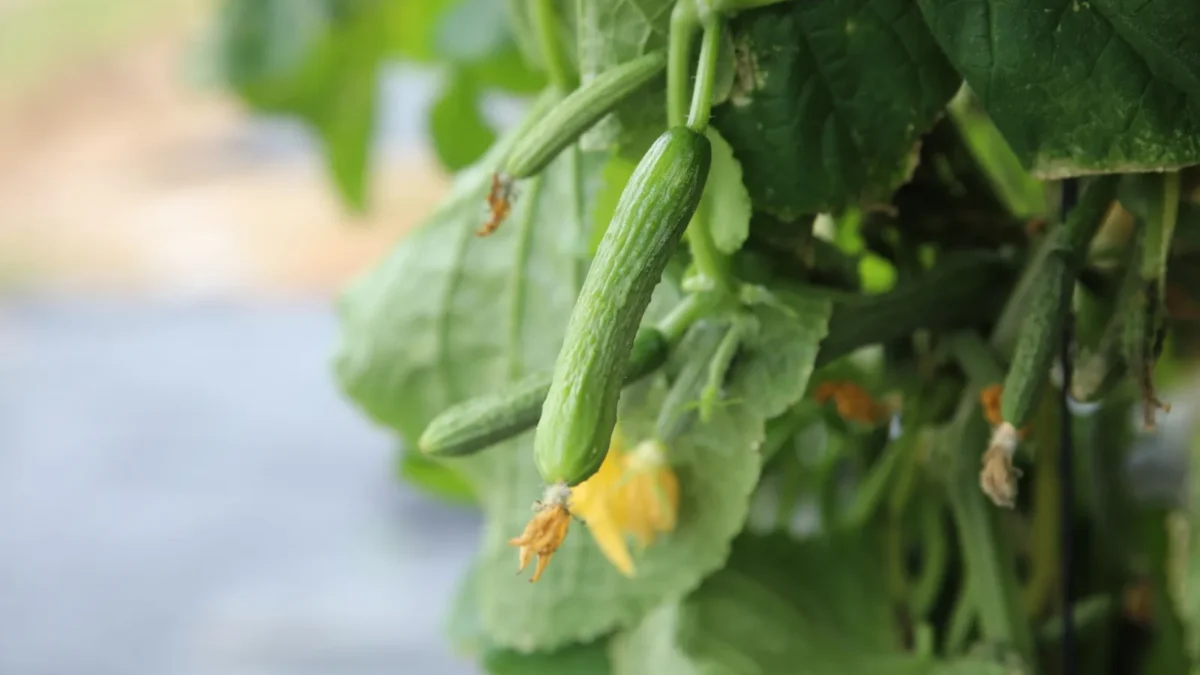
Quick answer: Water cucumbers about 1 inch per week during the growing season. Use a drip hose or soaker hose to soak the soil thoroughly, keeping the leaves dry to prevent fungal diseases. Adjust frequency based on soil type, rainfall, and whether plants are in ground, raised beds, or containers.
| Botanical name | Cucumis sativus |
|---|---|
| Light | Full sun |
| Watering | About 1 inch per week during growing season; water soil with drip or soaker hose |
| Temperature | Ideal 75-80°F for growth; killed by light frosts |
| Soil | Loose, fertile, medium textured, organically rich, slightly acidic, well-drained; pH 6.0-6.5 |
| Feeding | Balanced liquid fertilizer every 10-14 days for container plants |
| Size | Height 0.75-1.5 feet; spread 3-8 feet |
| Difficulty | easy |
| Cats | ✓ non-toxic |
| Dogs | ✓ non-toxic |
Watering in ground and raised beds
The standard schedule for in-ground cucumber plants and raised beds is 1 inch of water per week. This means checking the soil 2–3 inches deep; if it feels dry at that depth, it’s time to water. During hot spells or when rainfall is scarce, you may need to water more frequently to maintain that weekly inch. In cooler weeks with regular rain, you may water less often.
Sandy soils dry out quickly, so water more often but apply smaller amounts each time rather than one heavy soaking. Loamy or clay-heavy soils hold moisture longer, so you can water less frequently. Always water the soil directly with a drip hose or soaker hose—never spray the foliage overhead, as wet leaves invite powdery and downy mildew.
Trallised plants growing vertically may need watering more often because they dry faster than sprawling plants on the ground.
Watering cucumbers in pots and containers
Container plants dry out faster than in-ground crops, so check the soil every 1–2 days during warm weather. Water when the top inch of soil feels dry. Containers typically need more frequent watering than beds, sometimes every other day in summer heat, though this depends on pot size, soil mix, and air temperature.
Water thoroughly until it drains from the bottom, then empty any saucer beneath the pot so roots don’t sit in standing water. This keeps oxygen available in the soil for healthy root growth. Because container plants lose moisture quickly, feed them with a balanced liquid fertiliser every 10–14 days to replace nutrients that wash out with frequent watering.
Signs of overwatering and underwatering
Underwatered cucumber plants develop yellow lower leaves and wilting despite moist soil, and growth slows noticeably. The soil becomes hard and pulls away from the pot edges. Underwater plants produce fewer fruits and smaller harvests.
Overwatered plants also yellow but stay soft and may develop root rot; the soil stays soggy and may smell sour. Too much water pushes out the oxygen roots need, while too little water prevents roots from absorbing moisture. Both extremes hurt yield and fruit quality.
Water early in the morning when soil is cooler, which reduces evaporation and gives plants moisture for the heat of the day. Always soak the soil, not just sprinkle the surface.
Read the full guide: Cucumber Care: The Complete Growing Guide
Was this article helpful?
More about Cucumber
The same problem in other plants
- How Often to Water Lettuce
- How Often to Water Bell Pepper Plants
- How Often Should You Water Zucchini Plants?
- How Often to Water Tomato Plants
Sources
- Growing cucumbers in home gardens
- Cucumis sativus 'Party Time'
- Cucumber, Squash & Pumpkin (Cucurbits) Problems
Photo: dp singh Bhullar / Pexels, Pexels