
Cucumber Cucumis sativus
Best Fertilizer for Cucumber Plants
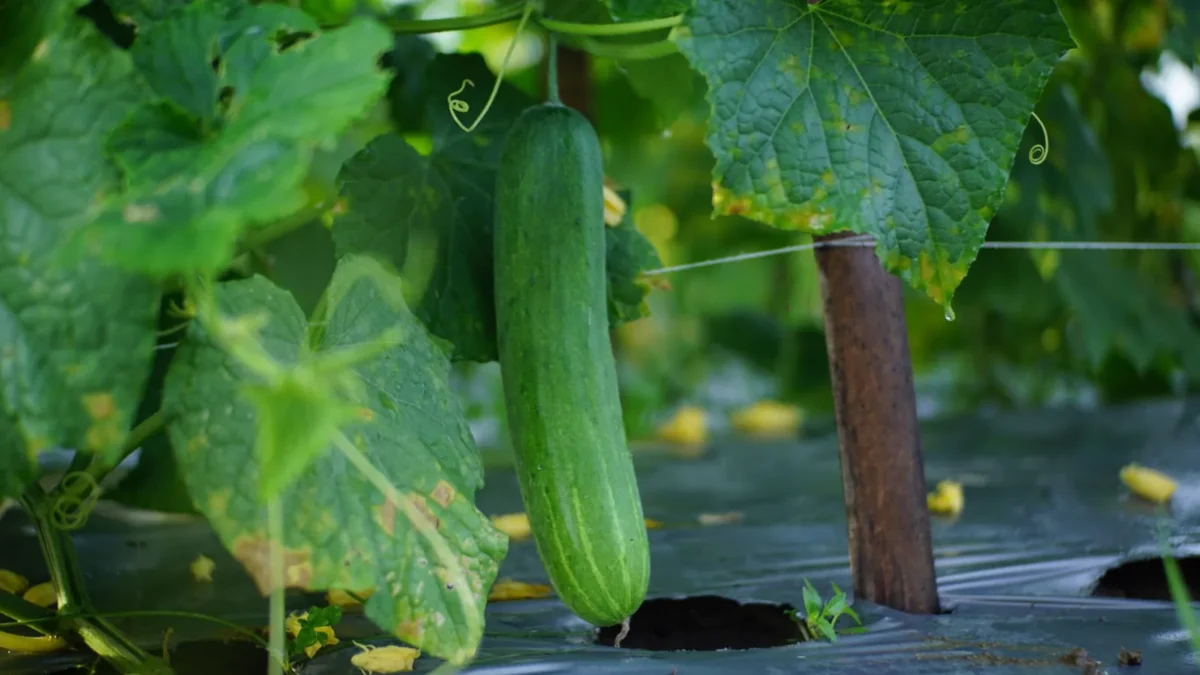
Quick answer: Use a balanced liquid fertilizer every 10-14 days for container cucumbers. For all growing methods—pots, raised beds, or ground—a balanced formula works best because cucumbers need steady nutrition throughout the season to produce vigorous vines and abundant fruit.
| Botanical name | Cucumis sativus |
|---|---|
| Light | Full sun |
| Watering | About 1 inch per week during growing season; water soil with drip or soaker hose |
| Temperature | Ideal 75-80°F for growth; killed by light frosts |
| Soil | Loose, fertile, medium textured, organically rich, slightly acidic, well-drained; pH 6.0-6.5 |
| Feeding | Balanced liquid fertilizer every 10-14 days for container plants |
| Size | Height 0.75-1.5 feet; spread 3-8 feet |
| Difficulty | easy |
| Cats | ✓ non-toxic |
| Dogs | ✓ non-toxic |
Why fertilizer matters for cucumber growth
Cucumbers are heavy feeders, especially when grown in containers where nutrients deplete faster. Nitrogen deficiency shows up quickly as yellow lower leaves, since nitrogen moves through the plant and older leaves lose it first. Other shortages cause problems too: magnesium deficiency creates yellow tissue between green veins on older leaves, while iron deficiency produces completely yellow new leaves with green veins.
A balanced liquid fertilizer delivers all three main nutrients—nitrogen, phosphorus, and potassium—in proportions that keep your plants healthy without excess growth or nutrient lockouts.
Feeding schedule for container cucumbers
Container-grown cucumbers are your most hungry plants. Feed them every 10-14 days with a balanced liquid fertilizer. Watch for the first sign of yellowing or slow growth, and you’ll know it’s time to feed. Apply the fertilizer to moist soil, never to dry roots, so it absorbs evenly.
Raising soil fertility for ground and raised beds
If you’re planting directly in garden soil or raised beds, build fertility before planting. Add well-rotted manure or compost in spring or fall—never use fresh manure, as it contains harmful bacteria and increases weeds. Cucumbers thrive in loose, fertile, organically rich, well-drained soil with a pH between 6.0 and 6.5.
In ground beds and raised beds, the organic matter you’ve mixed in sustains plants longer than in containers. You may not need to fertilize as frequently, but watch for signs of nutrient shortage as the plants grow and produce fruit. If yellowing appears on new growth or spreads quickly upward from the base, feed with a balanced liquid fertilizer to correct it.
Adjusting for your growing conditions
Vertical trellising changes water needs—plants on trellises may require watering more often—so they may also benefit from more frequent feeding. Sandy soils drain faster and lose nutrients quicker, so you might feed slightly more often than in clay or loam. Temperature matters too: cucumbers grow best at 75–80°F, and cooler weather slows both growth and nutrient uptake, so heavy feeding won’t help until conditions warm.
FAQ
Can I use the same fertilizer for all planting methods?
Yes. A balanced liquid fertilizer works for containers, raised beds, and ground gardens. The main difference is frequency: containers need feeding every 10-14 days, while in-ground plants may need it less often if you’ve built the soil with compost.
What NPK ratio do I need?
A balanced formula—roughly equal nitrogen, phosphorus, and potassium—supports all stages of growth. Look for something like 5-5-5 or 10-10-10; the exact numbers matter less than keeping them balanced.
Read the full guide: Cucumber Care: The Complete Growing Guide
Was this article helpful?
More about Cucumber
The same problem in other plants
- When to Fertilize Lettuce
- When and How to Fertilize Bell Peppers
- Best Fertilizer for Zucchini Plants
- Best Fertilizer for Tomatoes: Nutrients at Every Growth Stage
Sources
Photo: Agung Sutrisno / Pexels, Pexels