
Zucchini Cucurbita pepo var. cylindrica
Best Fertilizer for Zucchini Plants
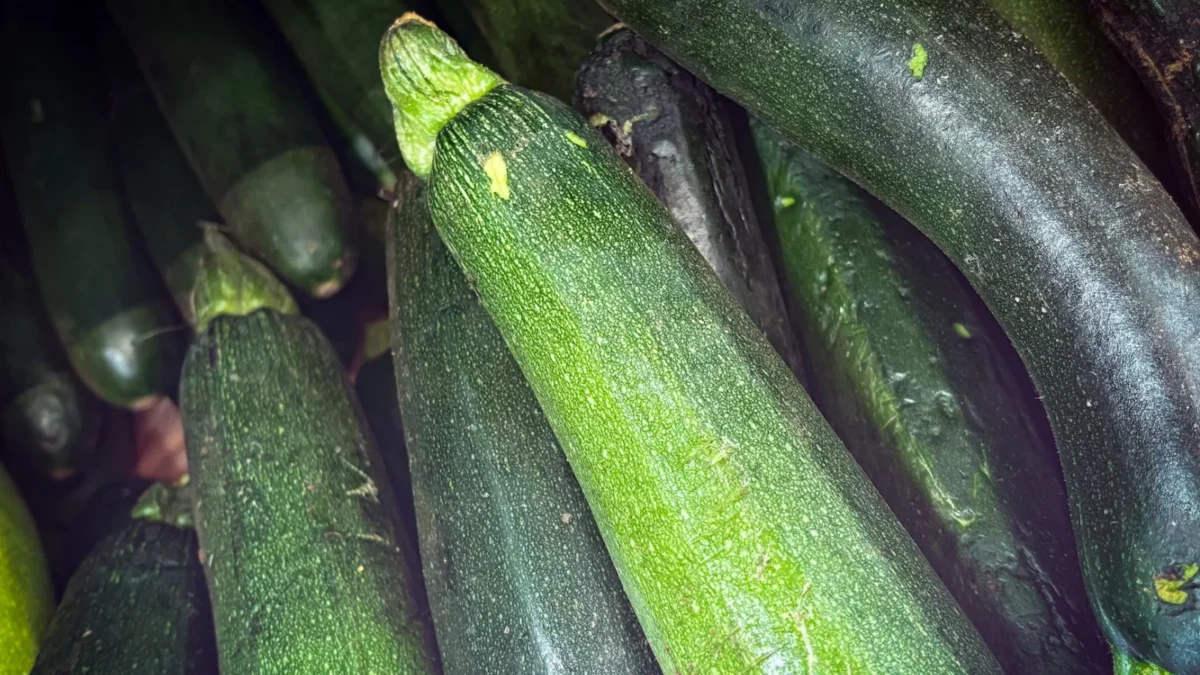
Quick answer: The best fertilizer for zucchini is a balanced 10-10-10 NPK ratio mixed into the soil before planting, followed by a low-nitrogen side-dressing when female flowers begin to appear.
| Botanical name | Cucurbita pepo var. cylindrica |
|---|---|
| Light | 8-10 hours direct sunlight daily; full sun (6+ hours minimum) |
| Watering | Water when soil is dry 2 inches below surface; plentiful consistent moisture until fruits fill out |
| Temperature | Soil 65-70°F minimum for planting; optimal 70-95°F for germination |
| Soil | Well-drained, fertile, loose, organically rich; pH 6.0-6.5; moisture retentive |
| Feeding | Balanced 10-10-10 initially; avoid excess nitrogen; side-dress when female flowers appear |
| Size | 1-5 feet tall; 2-25 feet wide or long depending on cultivar |
| Difficulty | easy |
| Cats | ✓ non-toxic |
| Dogs | ✓ non-toxic |
Zucchini’s main fertilizer challenge isn’t finding the right nutrient mix—it’s avoiding too much nitrogen. Excess nitrogen is the single biggest mistake: it delays flowering and suppresses fruit production precisely when you need it most. Your goal is medium nutrition delivered strategically, not heavy feeding from start to finish.
Initial Fertilization at Planting
Mix a balanced 10-10-10 fertilizer into your soil before planting, or incorporate compost or other organic matter. This establishes the nutrient foundation without overloading the plant.
Before you fertilize, check your soil pH. Zucchini prefers slightly acidic soil between 6.0 and 6.5. If your soil test shows adequate phosphorus (which many soils do), skip high-phosphorus fertilizers and use a low- or no-phosphorus option instead. Apply potassium according to what your soil test recommends.
Side-Dressing When Female Flowers Appear
After the initial feeding, hold back. Wait until female flowers—the ones with a small swelling behind the bloom—begin to show. This is your signal to side-dress with a low-nitrogen fertilizer. This timing prevents the excess nitrogen problem while supporting active fruit development.
On sandy soils that drain quickly, you can split your fertilizer: apply a third to half at planting time, then distribute the remainder over the next month or two. But avoid any high-nitrogen applications late in the season, as zucchini will respond by delaying flowering.
Best Fertilizer for Zucchini in Containers
Container zucchini needs the same 10-10-10 initial fertilizer, but container soil dries out fast and nutrients leach away. Water every 2–3 days during hot, dry spells, and this frequent watering means nutrients leave quickly. Use a balanced liquid fertilizer diluted to half strength every 2–3 weeks after female flowers appear, or side-dress with granular low-nitrogen fertilizer at that same stage. This keeps nutrients available without accumulating excess nitrogen in the limited soil volume.
Combining Zucchini with Squash, Cucumbers, and Tomatoes
If you’re growing zucchini alongside summer squash, follow identical fertilizer rules: balanced at planting, low-nitrogen later. Cucumbers are more nitrogen-hungry than zucchini, so if they’re sharing space, apply the balanced fertilizer and let the cucumber bed take the main feeding at mid-season, while zucchini gets the lighter side-dressing. Tomatoes have entirely different nitrogen peaks, so give each crop its own feeding schedule based on when it flowers, not on a shared calendar.
Why low-nitrogen matters
Nitrogen pushes green leaf growth. At planting time, you want some—it establishes the plant. But once flowering starts, too much nitrogen tells the plant to keep making leaves instead of flowers and fruit. Zucchini is exceptionally sensitive to this. A plant drowning in nitrogen will look lush and healthy but produce almost nothing.
What if leaves yellow?
If new leaves yellow while old leaves stay green, suspect iron deficiency, especially in alkaline or lime-rich soil. Apply a chelated liquid iron fertilizer to young, expanding leaves in spring. If all leaves—old and new—turn uniformly light green then yellow, nitrogen is too low; apply a nitrogen fertilizer to correct it.
For raised beds
Raised beds filled with fresh, organically rich soil often need less added fertilizer than in-ground beds. Work in compost or balanced 10-10-10 at planting time, then side-dress when flowers appear. The well-draining environment means you won’t have the compaction or poor drainage that triggers deficiency symptoms in poor soils.
Read the full guide: Zucchini Care: The Complete Growing Guide
Was this article helpful?
More about Zucchini
The same problem in other plants
- Best Fertilizer for Carrots and When to Apply It
- When to Fertilize Lettuce
- When and How to Fertilize Bell Peppers
- Best Fertilizer for Cucumber Plants
Sources
- Growing summer squash and zucchini in home gardens
- Hot weather fertilizer tips for your yard and garden
- Nutrient Deficiencies (Nitrogen, Zinc, Iron) / Home and Landscape / UC Statewide IPM Program (UC IPM)
Photo: Magda Ehlers / Pexels, Pexels