
Zucchini Cucurbita pepo var. cylindrica
Why Zucchini Turns Yellow Inside: Causes and Safety
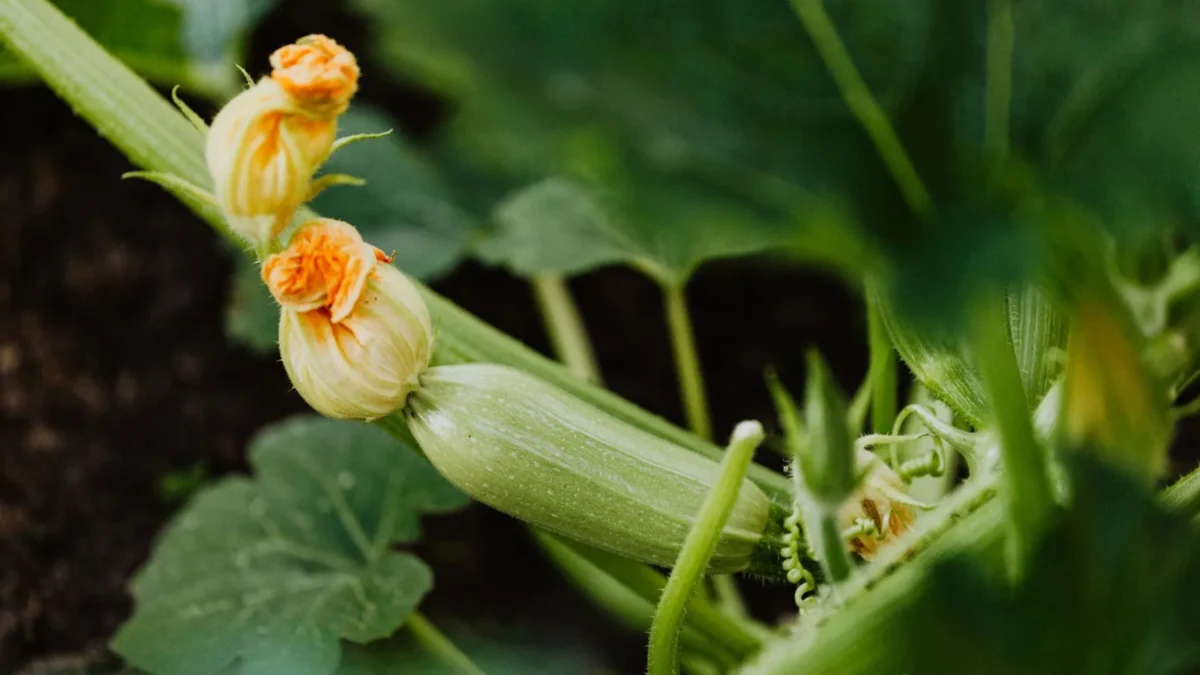
Quick answer: Zucchini turning yellow inside is usually a sign of overripeness, disease, or nutrient deficiency in the plant—not the fruit itself. Most yellowing issues stem from your soil or watering habits rather than a problem with individual fruits.
| Botanical name | Cucurbita pepo var. cylindrica |
|---|---|
| Light | 8-10 hours direct sunlight daily; full sun (6+ hours minimum) |
| Watering | Water when soil is dry 2 inches below surface; plentiful consistent moisture until fruits fill out |
| Temperature | Soil 65-70°F minimum for planting; optimal 70-95°F for germination |
| Soil | Well-drained, fertile, loose, organically rich; pH 6.0-6.5; moisture retentive |
| Feeding | Balanced 10-10-10 initially; avoid excess nitrogen; side-dress when female flowers appear |
| Size | 1-5 feet tall; 2-25 feet wide or long depending on cultivar |
| Difficulty | easy |
| Cats | ✓ non-toxic |
| Dogs | ✓ non-toxic |
Why zucchini turns yellow on the vine
When zucchini turns yellow inside while still growing, it typically reflects a problem with the plant’s health, not the fruit’s ripeness. The most common culprits are nutrient deficiencies, watering issues, or soil conditions.
If new leaves are yellowing but the older leaves stay green, your plant likely has an iron deficiency. Iron deficiency shows up as yellowing with the veins staying green. If both old and new leaves turn uniformly yellow together, nitrogen is probably the issue.
Overwatering is another frequent cause. Zucchini needs plentiful, consistent moisture while fruits are developing, but the soil should not stay waterlogged. The difference is crucial: water deeply every few days rather than a little bit daily. If the top 2 inches of soil are still moist, hold off watering.
Poor drainage compounds watering problems. Heavy clay soil without added organic matter or raised beds will trap water around roots, starving them of oxygen. If your soil pH is too high (above 6.5), iron and other nutrients become locked up even if present.
One overlooked cause is excess nitrogen fertilizer. Too much nitrogen delays flowering and throws the plant’s energy into leaves rather than fruit, which can contribute to yellowing as the plant becomes unbalanced. Apply a balanced 10-10-10 fertilizer initially, then side-dress when female flowers appear.
Fixing nutrient deficiencies
If you suspect iron deficiency, applying a micronutrient fertilizer containing iron will show results fairly quickly. In alkaline or lime-heavy soil, use a chelated liquid iron applied to the foliage—spray young, expanding leaves in spring for best uptake.
For nitrogen deficiency, apply a nitrogen fertilizer to correct the yellowing. However, avoid adding extra nitrogen late in the season, as it can suppress flowering.
Zucchini turning yellow or orange after picking
Fruit that turns yellow or orange after harvest is simply continuing to ripen off the vine. This is normal and safe to eat. Zucchini stored at room temperature will gradually change color and soften over several days. The flesh quality depends on how mature the fruit was when picked—zucchini picked young and tender (1.25 to 2 inches in diameter and 7 to 8 inches long) will have better flavor and texture than oversized specimens with developed seeds and hard skin.
If your zucchini tastes intensely or unusually bitter, discard it rather than eating it. Some plants produce bitter compounds called cucurbitacins under stress or in home crosses, and these should not be consumed.
FAQ
Can I eat zucchini that turned yellow inside?
Yes, zucchini turning yellow inside is safe to eat unless it tastes unusually bitter. Color change is a sign of ripeness, not spoilage or toxicity.
Why are my zucchini plants yellowing but no fruit is growing?
Excess nitrogen, poor drainage, or nutrient deficiency are the main causes. Check soil moisture (should be moist 2 inches down but not soggy), ensure good drainage, and avoid overfertilizing. If only new leaves yellow, apply iron. If all leaves yellow, consider a nitrogen boost.
Read the full guide: Zucchini Care: The Complete Growing Guide
Was this article helpful?