
Zucchini Cucurbita pepo var. cylindrica
Why Is My Zucchini Not Producing Fruit?
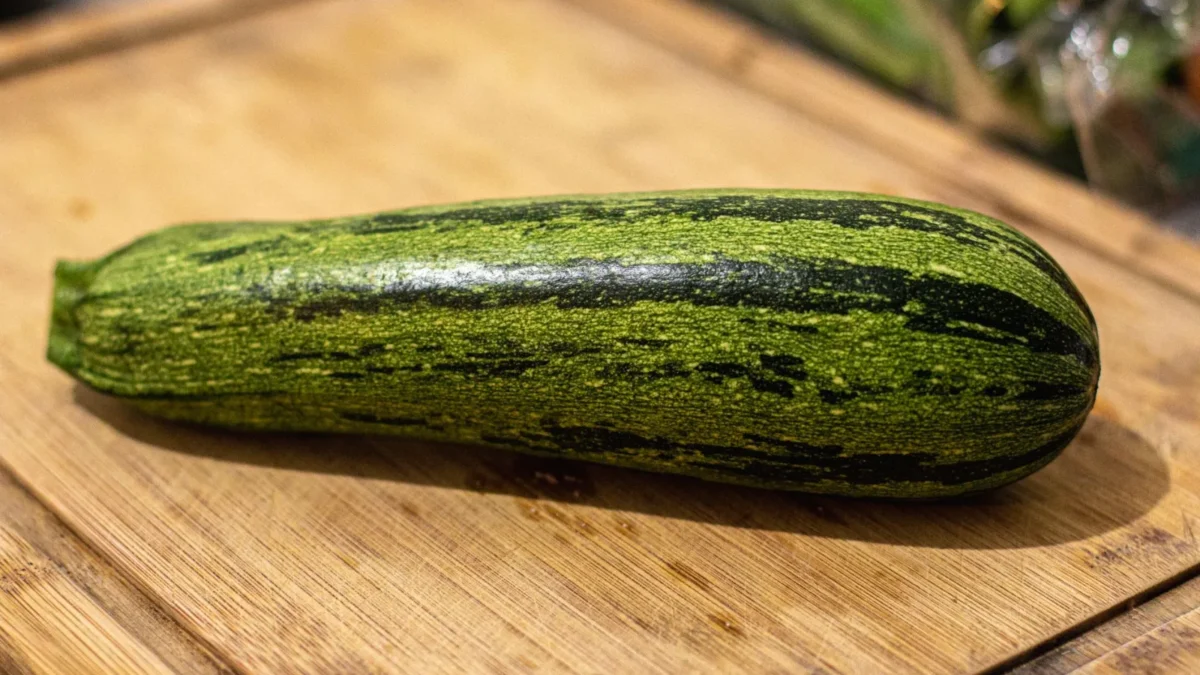
Quick answer: Zucchini stops producing fruit most often because of poor pollination between male and female flowers, too much nitrogen fertilizer delaying blooms, or uneven watering. Each cause has a straightforward fix.
| Botanical name | Cucurbita pepo var. cylindrica |
|---|---|
| Light | 8-10 hours direct sunlight daily; full sun (6+ hours minimum) |
| Watering | Water when soil is dry 2 inches below surface; plentiful consistent moisture until fruits fill out |
| Temperature | Soil 65-70°F minimum for planting; optimal 70-95°F for germination |
| Soil | Well-drained, fertile, loose, organically rich; pH 6.0-6.5; moisture retentive |
| Feeding | Balanced 10-10-10 initially; avoid excess nitrogen; side-dress when female flowers appear |
| Size | 1-5 feet tall; 2-25 feet wide or long depending on cultivar |
| Difficulty | easy |
| Cats | ✓ non-toxic |
| Dogs | ✓ non-toxic |
How pollination affects zucchini fruit
Zucchini must have both male and female flowers to set fruit. If you see blooms but no developing zucchini, the flowers aren’t pollinating each other. This happens when:
- Bees and other pollinators are scarce (fewer insects mean fewer pollination visits)
- Too much rain or high humidity during flowering season keeps bees inactive
- Plants are overcrowded, limiting air movement and pollinator access
Help pollination along by giving zucchini sufficient space—space plants 3 feet apart for bush varieties—so air circulates freely through the canopy. If insects are rare in your area, hand-pollinate by using a small brush or cotton swab to transfer pollen from male flowers (which have no tiny fruit behind them) to female flowers (which have a small bulge at their base). Do this early in the morning when flowers first open.
Nitrogen overfeed is delaying your flowers
This is the most common invisible culprit. Zucchini is very sensitive to excess nitrogen and may significantly delay its flowering if it receives too much. A plant drowning in nitrogen grows huge, vigorous foliage but refuses to flower, let alone set fruit.
When fertilizing zucchini, start with a balanced 10-10-10 fertilizer mixed into the soil before planting. Once female flowers begin to appear, side-dress with more fertilizer—never before. Avoid adding more nitrogen after the plant starts blooming. If you’ve been feeding weekly or using a high-nitrogen formula, stop immediately and switch to a low-nitrogen or no-phosphorus fertilizer according to your soil test.
Watering problems prevent fruit development
Zucchini demands plentiful and consistent moisture from the time plants emerge until fruits begin to fill out. Irregular watering stresses the plant and causes it to drop flowers and young fruit.
Check soil moisture by pushing your finger into the soil; if it’s dry 2 inches below the surface, it’s time to water. Rather than daily light sprinkles, give deep, infrequent watering that moistens the entire root zone. Use drip hose or soaker hose so water reaches roots and leaves stay dry—sprinklers waste water and promote mildew.
On sandy soil you may need to water twice a week; on heavier clay or loamy soil rich in organic matter, watering once a week usually works. Mulch over the soil to help it retain moisture longer.
Insufficient light reduces flowering
Zucchini needs 8–10 hours of direct sunlight daily for best results, with a minimum of 6 hours. In partial shade, plants produce fewer flowers and less fruit. If your zucchini patch gets less than 6 hours of sun, moving plants to a brighter spot next season is essential.
Why my zucchini is blooming but not producing
Bloom without fruit almost always means pollination failure or nitrogen excess. Check for male flowers without fruit-bearing female flowers nearby, and verify you haven’t over-fertilized late in the season.
How long does it take zucchini to produce fruit
From planting to first bloom typically takes 35–50 days depending on variety and warmth. After successful pollination, fruit matures in 3–5 days. If you see no flowers at all, nitrogen overfeed or cold soil temperature at planting time is likely the cause.
Read the full guide: Zucchini Care: The Complete Growing Guide
Was this article helpful?
More about Zucchini
The same problem in other plants
- Why Your Bell Pepper Won't Flower or Produce Fruit
- Why Your Cucumber Plants Aren't Producing Fruit
- Why Is My Tomato Not Turning Red?
- Why Are My Tomatoes Splitting and Cracking?
Sources
- Extension Logo
- Growing summer squash and zucchini in home gardens
- Growing Summer Squash (Zucchini) in a Home Garden
Photo: Lucas Pezeta / Pexels, Pexels