
Bell Pepper Capsicum annuum
Why Your Bell Pepper Won’t Flower or Produce Fruit
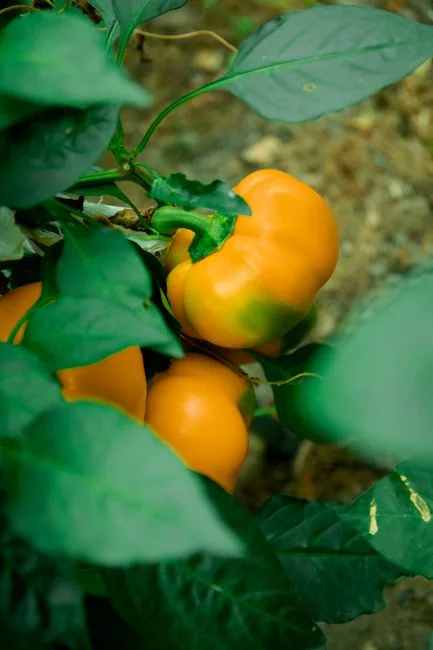
Quick answer: Bell peppers stop flowering and producing fruit when temperatures swing outside their ideal range, light is insufficient, soil stays too wet or dries out between waterings, or nutrients are unbalanced. Each problem has a specific fix that works quickly once you identify it.
| Botanical name | Capsicum annuum |
|---|---|
| Light | Full sun for most of the day; 18-20 hours of light per day for seedlings |
| Watering | Water when soil is dry 2 inches below surface; avoid overhead watering; keep soil uniformly moist but not saturated |
| Temperature | Optimum 70-75°F; ideal vegetative growth 77-80°F day, 64-68°F night; avoid below 60°F or above 85°F |
| Soil | Well-drained loamy or sandy loam soil; pH 6.0-6.5 |
| Feeding | Moderate amounts; high potassium liquid fertilizer once first fruit sets |
| Size | 40-70cm tall |
| Difficulty | moderate |
Temperature extremes kill flowers and prevent fruit set
Bell pepper flowers are likely to drop without setting fruit if temperatures climb above 85°F or drop below 60°F. This is the most common culprit when everything else looks fine but you get no peppers. The plant itself may look healthy, but the flowers simply abort.
The ideal temperature for vegetative growth of peppers is between 77 and 80 degrees Fahrenheit during the day, and 64–68 degrees Fahrenheit at night. If you’re growing outdoors in a hot climate, provide afternoon shade during the hottest weeks. In cool climates or early season, use cloches or row covers to warm the soil and air. Even a few degrees matter—peppers are sensitive here.
If temperatures dip below 60°F at night, move potted plants indoors temporarily or delay transplanting until soil and air warm up consistently. Night temperature is especially critical; a cold snap in early summer can wipe out all flowers that have formed.
Light determines whether flowers appear at all
Peppers should be planted in an area that receives full sun for most of the day. If your site gets fewer than 6–8 hours of direct sun, flower production drops sharply. Part-shade gardens rarely produce well unless it’s intermittent afternoon shade in extreme heat.
Indoor seedlings are particularly prone to failure. Most annuals need 18 to 20 hours of light per day, and seeds that need more time indoors, such as peppers, may become leggy without extra light. Leggy seedlings (tall, thin stems) transfer to soil weak and slow to flower. Invest in grow lights positioned 2–3 inches above seedlings and run them 18–20 hours daily until plants go outside.
Watering mistakes: too much, too little, or the wrong way
Water when soil is dry 2 inches below the surface. The two biggest errors are overwatering (which causes root rot and flower drop) and inconsistent watering (which stresses the plant).
Peppers will not tolerate water-saturated soil. If soil stays soggy between waterings, the roots cannot breathe and flowers fail to set. Ensure no overhead watering, switch to drip or bottom watering. Wet foliage also invites fungal problems.
Conversely, a light sprinkling that just wets the surface of the soil can cause shallow root development, increase the crop’s vulnerability to hot weather and drought stress, and reduce fruit quality. Soak deeply once or twice weekly rather than sprinkling daily. If the plant does not receive one inch of rain weekly, soak the soil thoroughly at least once a week. In sandy soil, you’ll need to water more often than once a week.
Keep soil uniformly moist, but not saturated, especially after the first flowers appear. This balance is critical once fruiting begins.
Nutrients shift once flowers set
Peppers require moderate amounts of fertilizer. Early in the season, balanced feeding supports leaf and stem growth. Once the first flowers appear, switch strategy: water regularly and feed with a high potassium liquid fertiliser once the first fruit has set. Potassium boosts flower retention and fruit quality.
Without this shift, the plant puts energy into foliage instead of flowers, and any flowers that do form drop without fruiting. If your soil pH is far from 6.0–6.5, nutrient uptake suffers even if food is present; a soil test tells you whether pH adjustment is needed.
Putting it together
Check temperature first—it’s the fastest diagnosis. Then audit light: is the plant in full sun all day? Next, dig down and feel the soil: is it soggy or bone dry 2 inches down? Finally, review your feeding schedule and confirm you switched to high potassium once flowers arrived.
Often it’s one dominant problem, not several. Once you fix it, flower drop stops and fruit appears within 3–6 weeks of new flowers opening.
Read the full guide: Bell Pepper Care: The Complete Growing Guide
Was this article helpful?
More about Bell Pepper
The same problem in other plants
- Why Is My Zucchini Plant Only Producing Male Flowers?
- Why Is My Zucchini Not Producing Fruit?
- Why Your Cucumber Plants Aren't Producing Fruit
- Why Is My Tomato Not Turning Red?
Sources
Photo: Sergey Meshkov / Pexels, Pexels