
Bell Pepper Capsicum annuum
Why Are My Bell Pepper Leaves Curling?
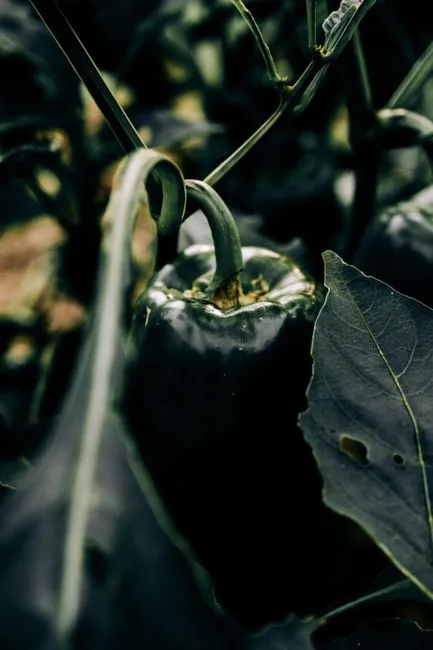
Quick answer: Bell pepper leaves curl most often due to uneven soil moisture, temperature stress, or pest infestation. The fix depends on the cause, but always check your watering depth and your thermometer first.
| Botanical name | Capsicum annuum |
|---|---|
| Light | Full sun for most of the day; 18-20 hours of light per day for seedlings |
| Watering | Water when soil is dry 2 inches below surface; avoid overhead watering; keep soil uniformly moist but not saturated |
| Temperature | Optimum 70-75°F; ideal vegetative growth 77-80°F day, 64-68°F night; avoid below 60°F or above 85°F |
| Soil | Well-drained loamy or sandy loam soil; pH 6.0-6.5 |
| Feeding | Moderate amounts; high potassium liquid fertilizer once first fruit sets |
| Size | 40-70cm tall |
| Difficulty | moderate |
Main causes of curling bell pepper leaves
When bell pepper leaves curl upward or inward, the plant is usually signalling one of four problems. Start by pinpointing which one applies to your plants.
Moisture stress is the most common culprit. Bell peppers need consistent moisture, but not waterlogged soil. If you’re checking only the soil surface, you’re likely missing the real problem. Check 2 inches down—that’s where you’ll know if watering is due. Sandy soil dries faster than loamy soil, so adjust your schedule accordingly if your garden bed is sandy. The trap many growers fall into is light, frequent sprinkling. Surface watering encourages shallow roots, which makes plants vulnerable to heat stress and drought—triggering curling leaves and poor fruit quality.
The opposite problem—waterlogged soil—also causes curling and wilting. Bell peppers will not tolerate water-saturated soil. If your soil drains poorly, use well-drained loamy or sandy loam soil or plant in a raised bed.
Temperature extremes stress the plant directly. The optimum temperature for bell peppers is 70–75°F. When it climbs above 85°F or drops below 60°F, flowers are likely to drop without setting fruit, and foliage begins to show stress symptoms like curling. During heat waves, you may need to water more than once per day.
Pest damage from aphids, red spider mites, or whitefly causes leaves to curl as the insects feed on sap. Curling often accompanies yellowing, stippling, or sticky residue on leaves.
Low humidity or air circulation combined with heat accelerates water loss from leaves, causing edges to curl upward or inward. This is less dramatic than the other causes but becomes noticeable during prolonged hot, dry spells.
How to fix curling leaves
-
Check soil moisture first. Water when the soil is dry 2 inches below the surface. Soak the soil thoroughly— aim for about 1 inch of water weekly if rainfall is below that. Use drip or bottom watering; never water from overhead, as this promotes disease and wastes water.
-
Verify temperature. Use a thermometer to track daytime and nighttime readings. If temperatures swing wildly, provide afternoon shade cloth or move container plants to a cooler spot.
-
Scout for pests. Look at leaf undersides with a hand lens. Tiny moving insects or fine webbing mean pest pressure is the cause. Spray affected plants with insecticidal soap or neem oil, following product instructions.
-
Improve air circulation. Space plants generously, prune lower leaves if foliage is dense, and ensure air flows around the base of the plant.
-
Once fruit sets, adjust feeding. Feed with a high-potassium liquid fertiliser when the first fruit appears. Potassium strengthens the plant’s ability to handle stress.
Preventing curling leaves
Water deeply and evenly rather than frequently and lightly. This builds strong roots that handle heat and drought better. Keep soil consistently moist but never soggy— do not allow the soil to dry out between watering, but do not saturate it. Maintain soil pH between 6.0 and 6.5 so the plant can absorb nutrients efficiently, which improves resilience. During peak summer heat, mulch the soil around plants to regulate temperature and reduce evaporation. Monitor plants regularly so you catch pest infestations early, before leaf damage spreads.
Read the full guide: Bell Pepper Care: The Complete Growing Guide
Was this article helpful?
More about Bell Pepper
The same problem in other plants
- Why Are My Carrot Leaves Curling?
- Why Lettuce Leaves Are Curling
- Why Are My Tomato Leaves Curling Inward?
- Why Are My Basil Leaves Curling?
Sources
- Growing peppers
- hgic.clemson.edu
- Question and Answer – Indiana Yard and Garden – Purdue Consumer HorticulturePurdue University Indiana Yard and Garden
Photo: Rachel Claire / Pexels, Pexels