
Bell Pepper Capsicum annuum
Why Bell Peppers Are Turning Brown and What to Do
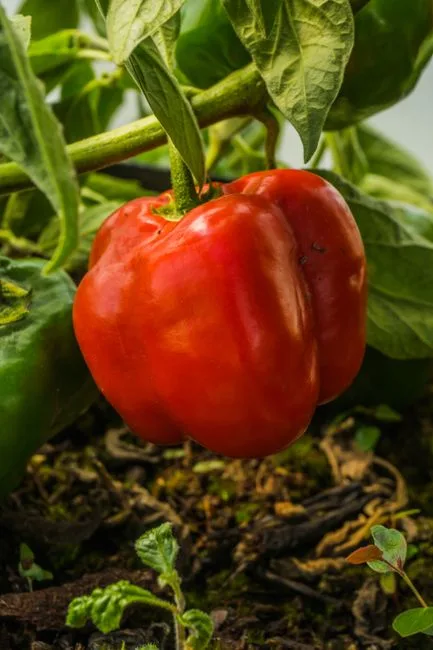
Quick answer: Bell peppers turn brown for several reasons—natural ripening from green to red or other colors, sunscald from intense sun exposure, blossom end rot from inconsistent watering, or bacterial disease. The fix depends on the cause, but most come down to light, water, and temperature management.
| Botanical name | Capsicum annuum |
|---|---|
| Light | Full sun for most of the day; 18-20 hours of light per day for seedlings |
| Watering | Water when soil is dry 2 inches below surface; avoid overhead watering; keep soil uniformly moist but not saturated |
| Temperature | Optimum 70-75°F; ideal vegetative growth 77-80°F day, 64-68°F night; avoid below 60°F or above 85°F |
| Soil | Well-drained loamy or sandy loam soil; pH 6.0-6.5 |
| Feeding | Moderate amounts; high potassium liquid fertilizer once first fruit sets |
| Size | 40-70cm tall |
| Difficulty | moderate |
Why your bell peppers are turning brown
Browning on bell peppers usually signals one of three problems. If the browning is spread across the fruit skin and deepens gradually, your peppers are likely ripening naturally. Different varieties ripen to red, orange, or yellow, and brown can be part of this transition or a sign the fruit is overripe. If you see brown or sunken spots concentrated on the bottom (blossom end) of the fruit, that’s blossom end rot—a calcium deficiency caused by uneven soil moisture. If the browning looks like lesions or dark, wet patches on stems or leaves, bacterial disease is at work, especially if your garden is humid or you’ve been overhead watering in warm weather.
Fixing inconsistent watering and blossom end rot
Blossom end rot is entirely preventable once you understand the cause. The fruit needs calcium to develop properly, but calcium only moves through the plant when soil moisture is steady. Letting the soil dry out between waterings, then soaking it again, starves the developing fruit of calcium even if your soil is rich in it.
Water deeply when the soil is dry two inches below the surface. During hot weather, this means you may need to water once daily or more. If your soil drains quickly, sandy soils need even more frequent watering. Avoid light sprinkles that only wet the surface—they encourage shallow roots and stress the plant in heat. Never use overhead watering; switch to drip or bottom watering instead to keep foliage dry.
Once the first fruit sets, feed with a high potassium liquid fertilizer to support fruit development alongside consistent watering.
Managing sunscald and bacterial disease
Sunscald appears as bleached or brownish patches on fruit facing direct sun, usually during intense heat. This is a skin damage issue, not a disease, and doesn’t rot the fruit inside—it’s purely cosmetic, though affected peppers may decline in quality. Improving air circulation and ensuring plants aren’t stressed by heat or drought reduces severity.
Bacterial disease shows up as dark, water-soaked spots or streaks on stems and fruit. Once infection takes hold, there’s no cure, so prevention is critical. Avoid overhead watering, water early in the day so foliage dries quickly, and remove affected leaves to slow spread. Space plants so air flows between them, and don’t work in the garden when plants are wet.
Temperature stress and growth
Peppers drop flowers and stress when temperatures drop below 60°F or climb above 85°F, which indirectly causes poor fruit set and weak plants susceptible to browning problems. The ideal range for vegetative growth is 77–80°F during the day and 64–68°F at night. Outside this range, plants struggle to develop strong fruit.
Why bell pepper stems are turning dark
Black or dark brown stems usually indicate bacterial infection rather than natural color change. This is most common in humid, warm conditions with overhead watering. Use only drip or bottom watering, improve spacing for airflow, and monitor closely. Remove infected stems promptly to prevent spread to the rest of the plant.
What causes brown spots inside bell peppers?
Brown discoloration inside the fruit can be blossom end rot (a sunken brown cavity at the base), early rot from handling or old age, or rarely, internal browning from stress or disease. If the inside is mushy or smells fermented, the fruit is rotting and should be discarded. Keep fruit quality high by harvesting at the right stage and preventing water stress in the garden.
Can I prevent browning before it starts?
Yes—most browning issues stem from three factors: inconsistent watering, overhead moisture, and temperature swings. Use drip irrigation or water at soil level, water deeply and regularly so soil stays moist but not soggy, and avoid planting in areas exposed to extreme heat fluctuations. Plant in an area that receives full sun for most of the day, use well-drained loamy or sandy soil, and maintain pH between 6.0 and 6.5. These steps eliminate most browning before it appears.
Read the full guide: Bell Pepper Care: The Complete Growing Guide
Was this article helpful?