
Bell Pepper Capsicum annuum
How Much Light Do Bell Peppers Need to Grow
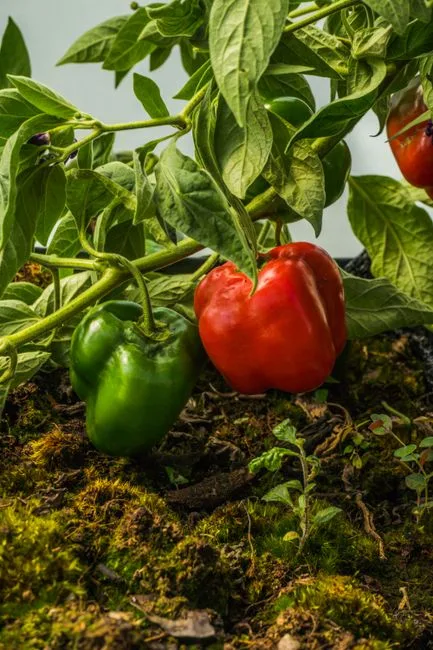
Quick answer: Bell peppers need full sun for most of the day outdoors. If you’re starting them indoors from seed, provide 18 to 20 hours of light per day. Without this, seedlings will become leggy—stretching tall and weak instead of growing compact and sturdy.
| Botanical name | Capsicum annuum |
|---|---|
| Light | Full sun for most of the day; 18-20 hours of light per day for seedlings |
| Watering | Water when soil is dry 2 inches below surface; avoid overhead watering; keep soil uniformly moist but not saturated |
| Temperature | Optimum 70-75°F; ideal vegetative growth 77-80°F day, 64-68°F night; avoid below 60°F or above 85°F |
| Soil | Well-drained loamy or sandy loam soil; pH 6.0-6.5 |
| Feeding | Moderate amounts; high potassium liquid fertilizer once first fruit sets |
| Size | 40-70cm tall |
| Difficulty | moderate |
Full sun outdoors produces the strongest plants
Once planted outside, bell peppers thrive in direct sunlight throughout most of the day. This isn’t just about growth; sustained, strong light is what drives flowering and fruit production. If your garden gets afternoon shade, choose a spot that still captures several hours of uninterrupted sun—eight or more hours is ideal.
Indoor seedlings need extra light to stay stocky
Since peppers take about eight weeks to grow before transplanting, starting them indoors from seed is common. The challenge: windowsills rarely provide enough light at this stage. Without dedicated grow lights delivering 18 to 20 hours of light per day, seedlings respond by growing tall and spindly, with weak stems that bend under their own weight.
Set up a simple light setup above your seedling trays—fluorescent or LED lights work well. Position them close enough to the plants that the light feels intense, then adjust as seedlings grow taller. Maintain a constant temperature between 18–21°C while they’re indoors, and keep the lights on a timer to deliver consistent daily hours.
Why light matters as much as sun position
The amount of light is just as important as where the sun hits. Even a sunny garden bed can underperform if it’s shaded by structures or trees during critical morning or afternoon hours. Partial shade reduces flowering and slows fruit ripening. Full sun exposure, on the other hand, helps the plant manage temperature stress and produce sweeter peppers with better color.
FAQ
Can I grow bell peppers indoors under lights year-round?
Yes, with enough light. Indoor growing requires 18 to 20 hours of daily light, consistent warmth, and careful attention to humidity and air circulation. Most home growers find this easier with a small dedicated setup rather than a typical houseplant shelf.
What happens if bell peppers don’t get enough light?
Seedlings become leggy and weak, and mature plants produce fewer flowers and slower fruit development. Fruit may also be smaller and ripen more slowly.
Read the full guide: Bell Pepper Care: The Complete Growing Guide
Was this article helpful?
More about Bell Pepper
The same problem in other plants
Sources
Photo: Juan Felipe Ramírez / Pexels, Pexels