
Bell Pepper Capsicum annuum
Why Your Bell Pepper Plant Is Not Growing and How to Fix It
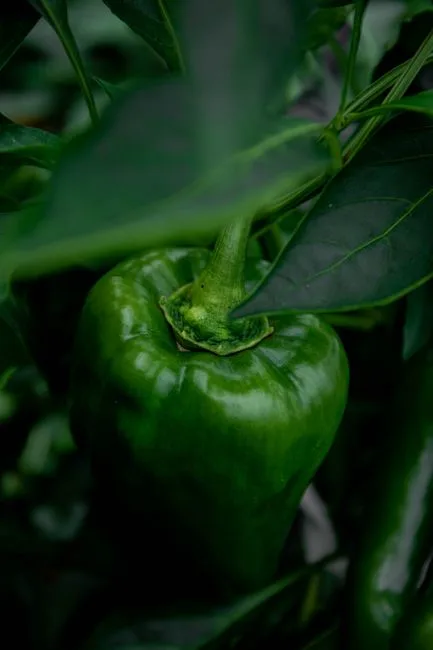
Quick answer: Bell pepper not growing usually means insufficient light, wrong temperature, inconsistent watering, or poor drainage. These plants are picky about conditions and stall quickly when any one factor is off. Fix the problem by checking each condition and adjusting it, and growth will resume within weeks.
| Botanical name | Capsicum annuum |
|---|---|
| Light | Full sun for most of the day; 18-20 hours of light per day for seedlings |
| Watering | Water when soil is dry 2 inches below surface; avoid overhead watering; keep soil uniformly moist but not saturated |
| Temperature | Optimum 70-75°F; ideal vegetative growth 77-80°F day, 64-68°F night; avoid below 60°F or above 85°F |
| Soil | Well-drained loamy or sandy loam soil; pH 6.0-6.5 |
| Feeding | Moderate amounts; high potassium liquid fertilizer once first fruit sets |
| Size | 40-70cm tall |
| Difficulty | moderate |
Light and seedling strength
Insufficient light is the most common reason bell peppers fail to grow, especially indoors. Peppers need full sun for most of the day outdoors. Seedlings are even more demanding: they need 18 to 20 hours of light per day to stay compact and strong. Without this, seedlings become leggy—the stems stretch and lean over, wasting energy and struggling to establish themselves.
If your pepper seedlings look thin and spindly, move them directly under grow lights positioned a few inches above the leaves, or place them in the brightest south-facing window you have. Mature plants outdoor need an unobstructed spot with direct sun throughout the morning and afternoon.
Temperature extremes stop growth and flowering
Bell peppers are sensitive to temperature swings. The ideal temperature for vegetative growth is 77–80°F during the day and 64–68°F at night. The optimum overall is 70–75°F, but the plant tolerates this range well. Outside of it, growth slows dramatically.
Temperatures above 85°F or below 60°F cause flowers to drop without setting fruit, so the plant never produces peppers even if everything else is correct. In cool climates or early spring, wait until nights are reliably above 60°F before moving plants outside. In summer heat, shade cloth during the hottest part of the day can help.
Water and drainage—the balancing act
Bell peppers despise wet feet. They will not tolerate waterlogged soil and require well-drained, loamy or sandy loam soil to grow. Poor drainage is a silent killer—the plant sits in soggy conditions and roots rot slowly, so growth simply stops.
Check the soil texture before planting. If your garden soil is heavy clay, amend it generously with compost or sand, or grow peppers in a raised bed with fresh soil.
Once planted, water deeply but infrequently. Wait until the soil is dry 2 inches below the surface, then soak it thoroughly. If the soil is sandy, you will need to water more often than once a week because sand drains fast. Avoid overhead watering—water at the base of the plant using drip irrigation or a soaker hose instead to keep foliage dry. Light surface sprinkling causes shallow root development and makes the plant vulnerable to heat and drought stress, reducing both growth and fruit quality.
To prevent blossom end rot (a calcium deficiency problem caused by uneven moisture), keep the soil uniformly moist but never saturated, and do not let it dry out between waterings.
Fertilizer timing
Bell peppers need only moderate amounts of fertilizer. Over-feeding, especially with nitrogen, produces leafy plants that flower poorly. Hold back on feeding until the first fruit has set, then switch to a high potassium liquid fertiliser to support fruiting.
Soil pH
Soil pH between 6.0 and 6.5 gives peppers the best access to nutrients. If the soil is too acidic or alkaline, the plant cannot absorb what it needs, and growth stalls even if fertilizer is present. A soil test is the only way to know; adjust pH based on the results.
Encourage bushier plants
When your bell pepper seedling is about 20 cm tall, pinch out the growing tip. This forces the plant to branch instead of growing tall and spindly, creating a sturdier, more productive shape.
FAQ
Why is my bell pepper plant not growing big?
Bell peppers reach 40–70 cm tall and need full sun, consistent warmth, and steady moisture to reach their mature size. Stunted plants are usually light-starved or in soil that is too cold or inconsistently watered.
How long until bell peppers start growing after I fix the problem?
Once you correct the main constraint—light, temperature, or water—visible growth resumes within 1–2 weeks and fruit appears 3–6 weeks after flowers bloom.
Do I need to water bell peppers daily?
During hot, dry weather, yes—you may need to water more than once per day, and at minimum daily. In cooler weather or after rain, check the soil moisture before watering. If it is dry 2 inches down, water deeply.
Read the full guide: Bell Pepper Care: The Complete Growing Guide
Was this article helpful?
More about Bell Pepper
The same problem in other plants
- Why Are My Carrots Not Growing Long?
- Lettuce Not Growing Bigger or Faster
- Why Is My Lettuce Not Growing?
- Zucchini Not Growing? Troubleshoot Slow Growth and Leggy Plants
Sources
Photo: Sergey Meshkov / Pexels, Pexels