
Carrot Daucus carota
Why Are My Carrots Not Growing Long
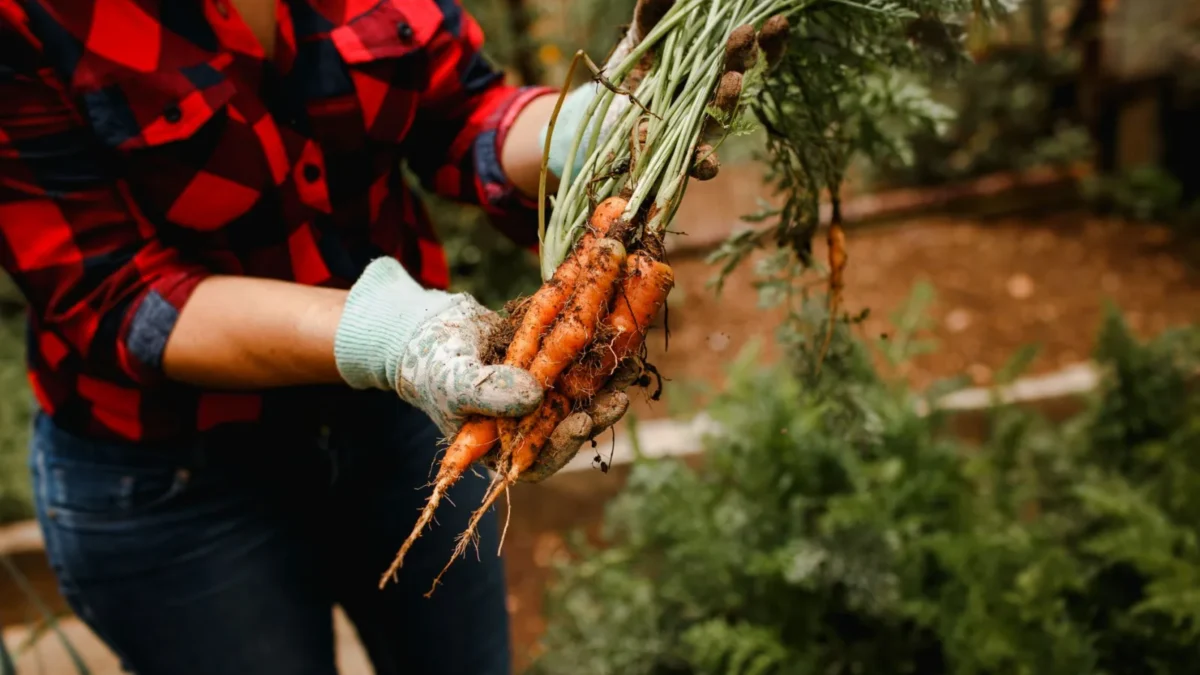
Quick answer: Carrots not growing to their full length are usually stopped by shallow soil, crowding, inadequate water, or poor light. Check your soil depth first—carrots need 12–15 inches in a raised bed or deep garden spot to reach their potential. Then space and water correctly, and your roots will develop properly.
| Botanical name | Daucus carota |
|---|---|
| Light | Full sun; at least 6 hours direct light daily; prefers 8-10 hours |
| Watering | 1 inch per week; deep soaking to 6-8 inches via soaker hose or irrigation |
| Temperature | Optimal soil temperature 55-75°F for germination; plant when soil is 45-50°F |
| Soil | Sandy loam; deep, well-drained; pH 6-7; raised beds 12-15 inches deep recommended |
| Feeding | Incorporate prior to planting; avoid excess nitrogen; ensure adequate nitrogen for early growth |
| Size | Thin to 2-4 inches apart for root development |
| Difficulty | easy |
Soil Depth and Structure
Shallow or compacted soil is the most common reason carrots stay short. Carrots are root crops that need room to push downward, and they won’t grow past an obstacle. If you’re planting directly in the garden and hit clay or hardpan, the roots fork, stunt, or bend sideways instead of lengthening.
Raised beds worked to 12–15 inches deep solve this problem entirely. This depth gives roots space to develop smoothly and reach full size. Use sandy loam soil, which lets roots move through easily. Avoid hard soil clods and uncomposted fertilizer granules—they force roots to deform and stop growing.
Soil pH also matters. Carrots thrive in neutral to slightly acidic soil between 6 and 7. If your soil is too acidic or alkaline, root development stalls even in loose soil.
Crowding and Spacing
Too many seedlings in one spot creates competition that stunts all of them. When carrots are packed together, each root stays thin and short because they’re fighting for space and nutrients. Thin your seedlings when the largest ones are three to four inches tall, leaving 2–4 inches between plants. This single step often makes the difference between pencil-thin carrots and full-sized roots.
If you want large carrots, don’t crowd them. Space them at the wider end of that range—closer spacing gives you more small carrots, wider spacing gives you fewer but bigger ones.
Water and Moisture
Carrots not growing long often signals water stress. A lack of water slows root expansion in root crops like carrots. Undersized, tough, and misshapen carrots all point to inconsistent watering.
Supply 1 inch of water per week, using a soaker hose or drip irrigation to soak the soil 6–8 inches deep. Watering by hand from a hose rarely soaks deep enough and may damage soil structure; frequent light sprinkling actually encourages shallow, weak roots.
Consistent moisture during early growth is especially critical. Roots won’t grow through dry soil layers—if the top inch dries out, the roots stay shallow and stunted. Keep the seedbed evenly moist from germination through the first weeks of growth.
Light and Nitrogen
Carrots need 6–8 hours of direct sunlight per day at minimum, preferring 8–10 hours. In shade or partial shade, growth slows and roots stay short.
Nitrogen matters for early root development. Incorporate balanced fertilizer before planting, then ensure adequate nitrogen is available early on. However, don’t add extra nitrogen midseason—excessive nitrogen reduces yields and lowers quality. If your soil test shows high phosphorus and potassium, use a nitrogen-only fertilizer instead of a balanced blend.
Prevention
Start with deep, loose, well-drained soil free of rocks and clods. Space plants 2–4 inches apart after thinning. Water consistently to 6–8 inches deep. Give carrots full sun for most of the day. With these basics in place, carrots grow long and smooth rather than stopping short partway.
Read the full guide: Carrot Care: The Complete Growing Guide
Was this article helpful?
More about Carrot
The same problem in other plants
- Lettuce Not Growing Bigger or Faster
- Why Is My Lettuce Not Growing?
- Why Your Bell Pepper Plant Is Not Growing and How to Fix It
- Zucchini Not Growing? Troubleshoot Slow Growth and Leggy Plants
Sources
- Growing Carrots in a Home Garden
- Growing carrots and parsnips in home gardens
- HO-124: Small Plot and Intensive Gardening
Photo: Helena Lopes / Pexels, Pexels