
Carrot Daucus carota
Common Carrot Diseases and Solutions
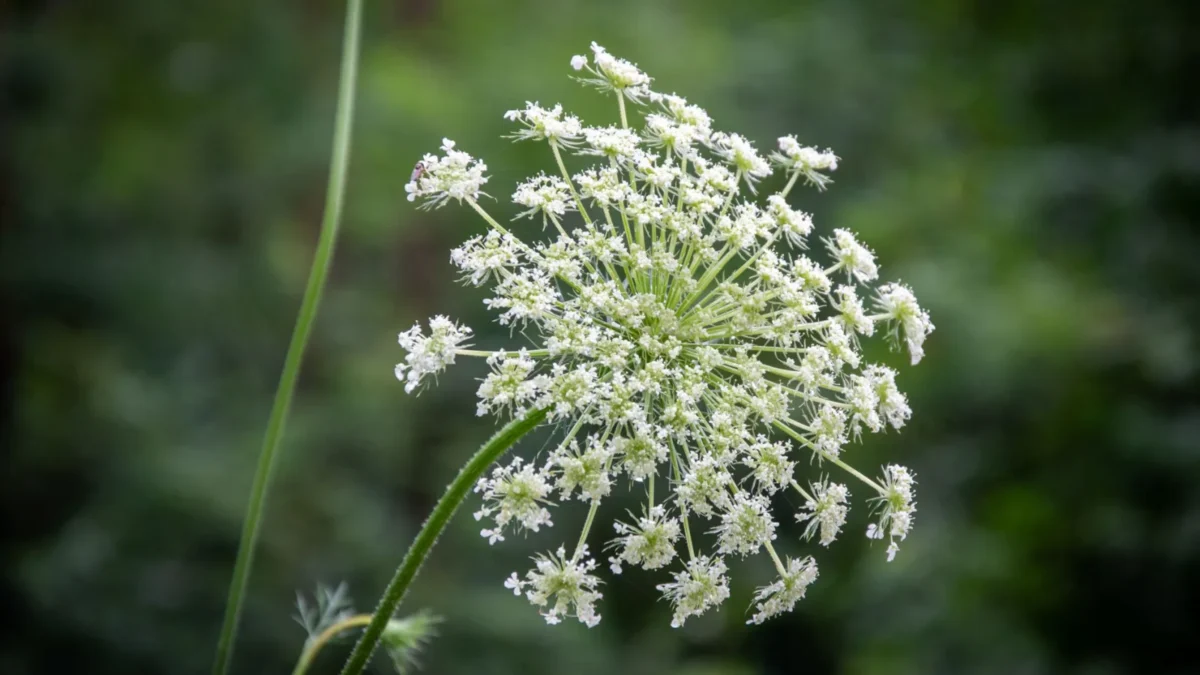
Quick answer: The most damaging carrot diseases are Alternaria dauci (a fungal leaf and root disease), black root rot (a storage and field problem in poorly drained soil), and carrot rust fly (an insect pest that tunnels into roots). Managing these requires soil drainage, proper storage conditions, row covers or companion planting, and monitoring with sticky traps.
| Botanical name | Daucus carota |
|---|---|
| Light | Full sun; at least 6 hours direct light daily; prefers 8-10 hours |
| Watering | 1 inch per week; deep soaking to 6-8 inches via soaker hose or irrigation |
| Temperature | Optimal soil temperature 55-75°F for germination; plant when soil is 45-50°F |
| Soil | Sandy loam; deep, well-drained; pH 6-7; raised beds 12-15 inches deep recommended |
| Feeding | Incorporate prior to planting; avoid excess nitrogen; ensure adequate nitrogen for early growth |
| Size | Thin to 2-4 inches apart for root development |
| Difficulty | easy |
Fungal Leaf and Root Diseases
Alternaria dauci is one of the most damaging pathogens in carrots, capable of killing leaves above ground and sometimes rotting vegetables growing in the soil. The fungus produces necrotic lesions on foliage, turning the leaves brown or black. In storage, Alternaria species can create a dry, mealy black decay known as black rot.
Leaf blight diseases, including those caused by Cercospora species, also cause brown or blackened lesions on carrot foliage. To manage Alternaria and Cercospora blights effectively, use the TOM-CAST system (a disease monitoring tool that tracks disease severity values) to schedule sprays rather than spraying on a calendar schedule. Combining this approach with a tolerant or resistant cultivar gives the best results.
Black Root Rot and Crown Rot
Black root rot is caused by a soil-borne fungal organism that shows dark coloration at the base of the stem. It can be an issue in poorly drained fields but occurs primarily in storage when temperature and humidity are too high. In storage, infected roots develop a soft, watery rot with fluffy white fungal filaments and black sclerotia visible.
Crown rot produces horizontal dark brown lesions around the root crown. The best way to manage both diseases is to avoid crown and root injuries during harvesting and handling, since infection is favored by damaged tissue. Ensure your soil drains well, particularly if you’re in an area prone to heavy rainfall or have heavy clay soil. If storing carrots, keep temperature as close to 30°F as possible with moist humidity levels.
Carrot Rust Fly—The Most Common Pest
Carrot rust flies are well-known pests of carrots and related crops. Adult flies cause no damage, but after eggs hatch, larvae immediately burrow into the soil and tunnel through roots, leaving rust-colored frass (excrement) in their tunnels. Young carrots suffer immediate damage, while more mature plants experience tunneling that reduces marketability.
Since carrot rust flies are weak flyers and find plants by smell, control relies on odor masking and isolation. Plant odoriferous companion crops such as onions, chives, garlic, rosemary, or sage nearby to mask the carrot’s scent and deter attack. Isolating your carrot bed from previous years’ fields, especially by placing it downwind, significantly reduces fly risk.
For direct monitoring, use yellow sticky traps placed near your planting. If weekly counts are zero or very low, you can delay installing row covers or applying insecticide. Row covers applied as soon as seedlings emerge are very effective when carrot flies are active in your area.
Root Knot and Cavity Spot Diseases
Root-knot nematodes cause galls or root thickenings of various sizes on carrot roots. Since the root is the marketable portion, these deformities directly affect quality and saleability. If nematodes are present in your soil, choose resistant varieties or rotate to non-host crops.
Cavity spot and root dieback are caused by Pythium species, soil-dwelling pathogens that thrive in overly moist conditions. Maintain good soil drainage and avoid waterlogged soil to prevent these diseases.
Prevention Starts with Site Selection and Soil
Most carrot diseases are caused by soil-dwelling organisms, so their severity varies considerably from site to site. Start by selecting a well-drained location. Carrots grow best in sandy loam or deep, well-drained sandy or peaty soils. If your soil is heavy clay, build raised beds worked to a depth of 12 to 15 inches to provide optimal drainage and allow roots to develop smoothly.
Maintain consistent moisture without waterlogging. Provide 1 inch of water per week via soaker hoses, trickle irrigation, or sprinklers that soak the soil to 6–8 inches deep. Avoid hand-watering from a hose, which seldom supplies thorough watering and may damage soil structure.
Keep soil pH neutral to slightly acidic (between 6 and 7) for healthy root development. Before planting, incorporate fertilizer; ensure adequate nitrogen for early growth but avoid excess nitrogen, which reduces yields and quality. Proper spacing also prevents disease spread—thin seedlings to 2–4 inches apart to ensure good air circulation around roots and foliage.
Read the full guide: Carrot Care: The Complete Growing Guide
Was this article helpful?
More about Carrot
The same problem in other plants
- Lettuce Diseases: Identification and Control
- Bell Pepper Diseases: Identification, Pictures, and Treatment
- Common Zucchini Diseases and Treatment
- Cucumber Diseases: Prevention and Treatment
Sources
- carrots identifying diseases
- ID-462-W Integrated Pest Management Guide for Hops in Indiana Foreword
- Vegetable Disease Photos – Purdue College of Agriculture
Photo: Vika Glitter / Pexels, Pexels