
Carrot Daucus carota
Why Are My Carrots Flowering? Understanding Carrot Bolting
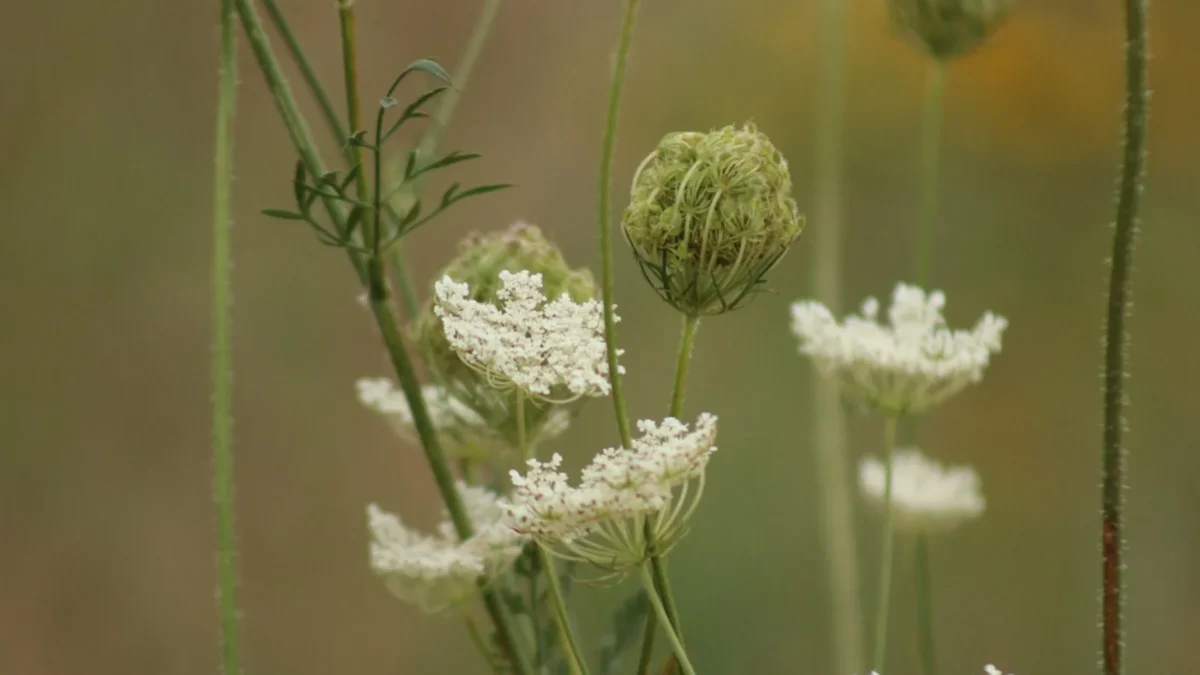
Quick answer: Carrots are flowering because they’re bolting—a natural biennial response to cold exposure, temperature fluctuations, or delayed harvest. Bolted carrots are still edible, but the root becomes tough and bitter. Harvest on time and avoid cold snaps to prevent this.
| Botanical name | Daucus carota |
|---|---|
| Light | Full sun; at least 6 hours direct light daily; prefers 8-10 hours |
| Watering | 1 inch per week; deep soaking to 6-8 inches via soaker hose or irrigation |
| Temperature | Optimal soil temperature 55-75°F for germination; plant when soil is 45-50°F |
| Soil | Sandy loam; deep, well-drained; pH 6-7; raised beds 12-15 inches deep recommended |
| Feeding | Incorporate prior to planting; avoid excess nitrogen; ensure adequate nitrogen for early growth |
| Size | Thin to 2-4 inches apart for root development |
| Difficulty | easy |
Why Carrots Bolt
Carrots are biennial plants, meaning they naturally produce a flower head in their second year. In a home garden, you usually harvest them young and prevent this. When you see flowering, it means your carrot has either experienced cold soil temperatures early in growth or spent too long in the ground past maturity.
Cold exposure—especially temperatures below 50°F over several weeks—can trigger bolting even in young carrots. Some varieties are more sensitive to this than others. If you planted early when soil was still cool, or if a late frost hit after growth began, the plant interprets this as the end of its first year and shifts into reproductive mode, sending up a flower stalk.
Another common reason is simply waiting too long to harvest. Once carrots reach usable size, they should be pulled promptly. Leaving mature roots in the soil gives them the signal to flower and set seed.
Can You Eat a Flowering Carrot?
Yes, but the eating experience isn’t pleasant. The root becomes extremely tough and bitter tasting. The plant has redirected energy from the root to the flower stalk, so the vegetable loses quality. If your carrot has only just started bolting and the flower stalk is still small, you can harvest and eat the root, though it won’t be as tender as one harvested at peak time. The greens and flower buds are technically edible too, but most gardeners simply remove the whole plant.
Preventing Early Flowering
Timing matters most. Plant carrots when soil temperatures are between 55–75°F for best results, and wait until at least 45–50°F before sowing. Avoid planting too early in spring when cold soil will linger and stress the seedlings.
Harvest on schedule. Carrots mature in 65–75 days from seed. Mark your calendar and pull them promptly once they reach usable size. Don’t leave them waiting for some future harvest date—they’ll flower if left too long.
Choose the right season. Carrots are a cool-season crop that grows best in spring and fall. Avoid planting during summer heat or in timing windows where plants will experience repeated cold snaps followed by warm spells. Fall crops planted 10–12 weeks before the first frost tend to mature without temperature swings that trigger bolting.
Read the full guide: Carrot Care: The Complete Growing Guide
Was this article helpful?