
Carrot Daucus carota
Best Soil for Growing Carrots: Composition, pH and Preparation
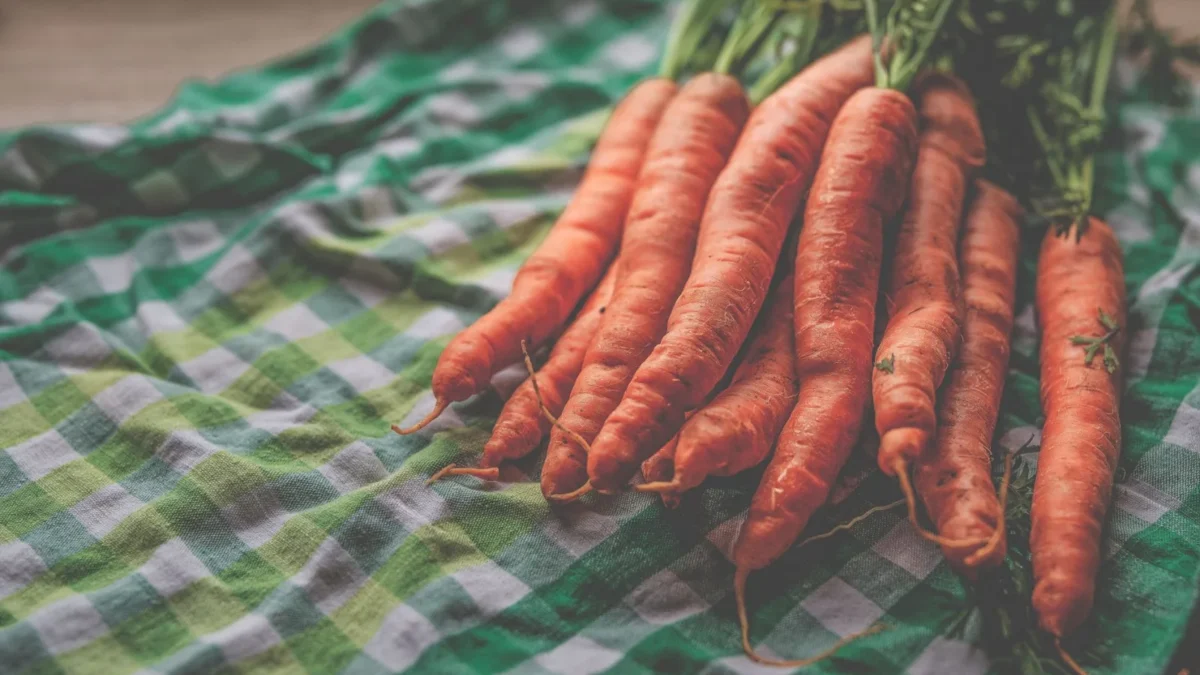
Quick answer: The best soil for carrots is sandy loam that is deep, well-drained, and free of rocks and hard clods, with a pH between 6 and 7. Carrots need loose soil to develop straight roots; clay soils cause poor germination and forked, hairy roots.
| Botanical name | Daucus carota |
|---|---|
| Light | Full sun; at least 6 hours direct light daily; prefers 8-10 hours |
| Watering | 1 inch per week; deep soaking to 6-8 inches via soaker hose or irrigation |
| Temperature | Optimal soil temperature 55-75°F for germination; plant when soil is 45-50°F |
| Soil | Sandy loam; deep, well-drained; pH 6-7; raised beds 12-15 inches deep recommended |
| Feeding | Incorporate prior to planting; avoid excess nitrogen; ensure adequate nitrogen for early growth |
| Size | Thin to 2-4 inches apart for root development |
| Difficulty | easy |
Soil Composition for Carrots
Carrots demand loose, well-structured soil more than most vegetables because their roots must push straight down without obstruction. Sandy loam is ideal—it has enough sand to stay loose and enough organic matter to hold moisture and nutrients. Avoid heavy clay unless you amend it heavily with compost; clay compacts, crusts over seeds, and forces roots to twist and fork.
Any hard soil clods, uncomposted manure, or fertilizer granules in the seed zone will cause carrots to become forked, hairy, and crooked. Before planting, work the top 12 inches thoroughly to break up lumps and remove rocks. Incorporate compost or aged organic matter to improve drainage and structure, especially in clay or compacted soil.
Raised Beds vs. Garden Beds vs. Containers
Raised beds are the easiest path to success. Work them to a depth of 12 to 15 inches and fill with sandy loam mixed with compost; this depth allows roots to develop fully and produce smooth, straight carrots. The elevation also improves drainage naturally.
In garden beds, the native soil matters most. If your soil is clay-heavy or shallow, build up 12–15 inches of amended soil on top rather than fighting the existing ground. If your soil is naturally sandy loam, you need less work—just break up the top 8–10 inches and work in 2–3 inches of compost.
For containers, use a moist but not soggy potting mix. A standard vegetable potting soil works, but add extra perlite or coarse sand if it feels too dense. Container soil dries faster, so check moisture more often.
Soil pH and Nutrient Preparation
Carrots thrive at a soil pH between 6 and 7—neutral to slightly acidic. If your soil test shows pH below 6, add lime; if above 7, add sulfur. Test before planting if you haven’t done so in the past three years.
Incorporate fertilizer into the soil before planting, not as a side dressing. Excessive nitrogen reduces yields and quality; carrots don’t need much. The general recommendation is 2 pounds of nitrogen per 1,000 square feet, or 0.2 pounds (3.2 ounces) per 100 square feet. If a soil test shows high phosphorus and potassium, use a nitrogen-only fertilizer instead of a balanced formula. For early growth, ensure adequate nitrogen is available.
Preventing Crusting and Poor Germination
Carrot seeds are small and slow to germinate—they can take 12 to 14 days to sprout. Clay soils crust over as they dry, blocking seedlings and causing poor germination. To prevent this, cover seeds with a light layer of sifted compost, grass clippings, sawdust, or vermiculite instead of bare soil. A thin plastic film over the seedbed also works: it warms the soil, prevents crusting, and keeps moisture in; remove it as soon as seedlings emerge.
Keep the seedbed evenly moist from sowing through germination and early growth. Once roots form, they won’t grow through dry soil layers, and shallow roots make plants drought-stressed later.
Drainage and Moisture
Well-drained soil is not the same as dry soil. Carrots need moisture throughout the season—1 inch of water per week via soaker hose or drip irrigation, soaked to 6–8 inches deep. Poor drainage, especially clay that stays wet, invites black root rot, a fungal disease. But dry soil stunts roots and makes carrots bitter and tough.
The goal is soil that drains freely but holds consistent moisture. This is exactly what sandy loam with added compost provides. In containers, use a potting mix that retains some moisture but won’t waterlog.
Read the full guide: Carrot Care: The Complete Growing Guide
Was this article helpful?
More about Carrot
The same problem in other plants
- Lettuce Spacing and Planting Distance
- Best Soil for Lettuce
- Best Soil for Bell Peppers: Container and Garden Growing
- How to Grow Zucchini in Containers and Pots