
Carrot Daucus carota
What Causes Carrot Root Rot and How to Prevent It
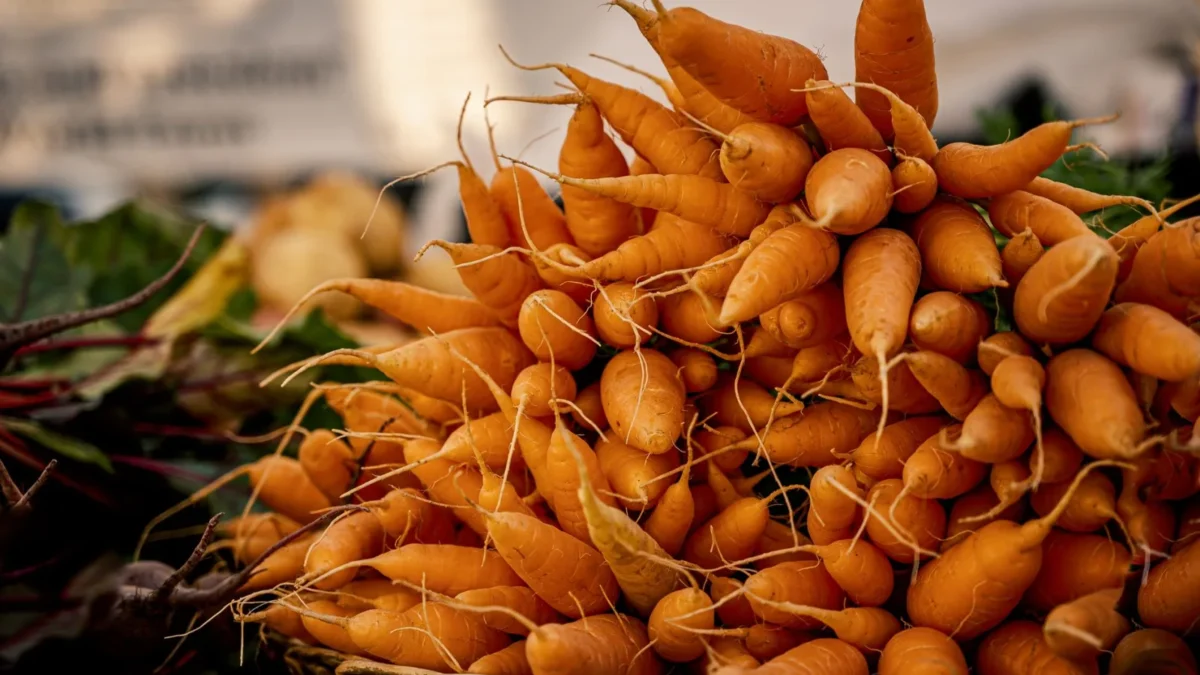
Quick answer: Carrot root rot is caused by soil-dwelling fungi and soil conditions that create the perfect environment for disease. The most common culprit is black root rot, which thrives in poorly drained fields and surfaces during storage if temperature and humidity aren’t controlled. Good drainage and consistent moisture management prevent most root diseases.
| Botanical name | Daucus carota |
|---|---|
| Light | Full sun; at least 6 hours direct light daily; prefers 8-10 hours |
| Watering | 1 inch per week; deep soaking to 6-8 inches via soaker hose or irrigation |
| Temperature | Optimal soil temperature 55-75°F for germination; plant when soil is 45-50°F |
| Soil | Sandy loam; deep, well-drained; pH 6-7; raised beds 12-15 inches deep recommended |
| Feeding | Incorporate prior to planting; avoid excess nitrogen; ensure adequate nitrogen for early growth |
| Size | Thin to 2-4 inches apart for root development |
| Difficulty | easy |
Soil Drainage and Black Root Rot
Black root rot is the main root rot problem in carrots, and it stems directly from your soil setup. The disease shows dark, water-soaked tissue on roots and a blackening at the base of the stem; leaves turn yellow and plants wilt when moisture stress hits. This fungal organism lives in the soil waiting for the right conditions.
Black root rot becomes a serious issue in poorly drained fields. The solution is straightforward: carrots grow best in deep, well-drained sandy or peaty soils. Raised beds worked to a depth of 12 to 15 inches provide optimum drainage and allow for maximum root length. If you’re working with heavy clay soil, build up rather than trying to amend in-ground.
Moisture and Root Disease Prevention
Moisture management directly controls whether root rot takes hold. Supply 1 inch of water per week using soaker hoses, trickle irrigation tubes, or sprinklers to soak the soil to a depth of 6-8 inches. Supplement natural rainfall with this same approach. The key is consistent moisture without waterlogging.
The best way to manage black root rot is to avoid crown and root injuries, because infection is favored by these conditions. Injuries happen from poor soil structure, handling, and harvest damage. When you combine good drainage with steady watering, you remove the stress that opens the door to infection.
Avoid watering by hand from a hose—it seldom supplies thorough watering and may damage soil structure. Frequent light sprinkling encourages shallow roots and makes plants more susceptible to drought.
Other Root Rot Diseases in Carrots
The fungus Alternaria dauci is one of the most damaging pathogens in carrots, killing leaves above ground and sometimes rotting vegetables growing in the soil. To manage Alternaria foliar blight, use the TOM-CAST system to schedule sprays instead of a calendar-based program; use a tolerant or resistant cultivar in combination with the TOM-CAST system for best results.
Cavity spot and root dieback are caused by Pythium species. Crown rot causes horizontal dark brown lesions around the root crown.
Black Root Rot in Storage
If you harvest carrots for storage, understand that black root rot can develop after harvest. Black root rot occurs primarily in storage when conditions are not ideal and temperature and humidity are too high. In storage, it’s characterized by soft, watery rot with fluffy white mycelia and black sclerotia.
Store carrots as near 30°F as possible in moist conditions during fall and winter to prevent this problem from developing.
Read the full guide: Carrot Care: The Complete Growing Guide
Was this article helpful?
More about Carrot
The same problem in other plants
Sources
- ID-462-W Integrated Pest Management Guide for Hops in Indiana Foreword
- carrots identifying diseases
- HO-124: Small Plot and Intensive Gardening
Photo: Brett Sayles / Pexels, Pexels