
Carrot Daucus carota
Best Companion Plants for Carrots
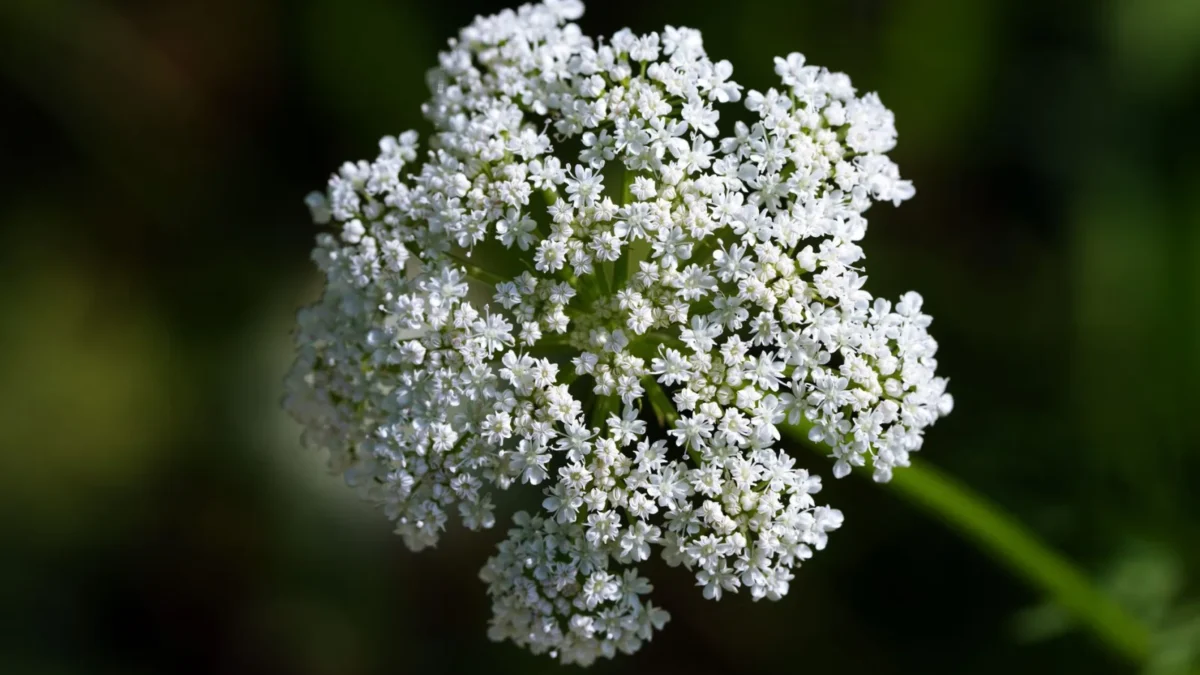
Quick answer: Onions, chives, and garlic are your best carrot companion plants because their strong smell masks carrots from carrot rust flies, one of the most damaging pests. Radishes work as a practical companion too, helping you thin your carrots automatically as you harvest them.
| Botanical name | Daucus carota |
|---|---|
| Light | Full sun; at least 6 hours direct light daily; prefers 8-10 hours |
| Watering | 1 inch per week; deep soaking to 6-8 inches via soaker hose or irrigation |
| Temperature | Optimal soil temperature 55-75°F for germination; plant when soil is 45-50°F |
| Soil | Sandy loam; deep, well-drained; pH 6-7; raised beds 12-15 inches deep recommended |
| Feeding | Incorporate prior to planting; avoid excess nitrogen; ensure adequate nitrogen for early growth |
| Size | Thin to 2-4 inches apart for root development |
| Difficulty | easy |
Why companion planting matters for carrots
Carrot rust flies are weak flyers that locate their host crops by smell, flying upwind toward the scent. When you plant odoriferous companions nearby, you effectively hide your carrots from these pests. Beyond pest control, the right neighbors also help you use garden space efficiently and can improve soil structure over time.
Best vegetable and herb companions for carrots
The most effective carrot companion plants work in two ways: they either repel pests or they fit naturally into your spacing and thinning routine.
Onions, chives, and garlic are your strongest defense. Plant them around or between your carrot rows—their pungent smell deters carrot rust flies without any extra effort. Rosemary and sage also deter the carrot fly, so they’re valuable additions if you have space.
Radishes solve a practical problem. Since carrot seed takes 12 to 14 days to sprout, radishes germinate much faster and mark your rows so you don’t accidentally disturb them. Better yet, when you harvest the radishes at full size, they naturally thin your carrots to the spacing they need. Simply sow radish and carrot seeds together in the same rows—the radishes will be ready to pull before they compete with your developing carrots.
Spacing to maximize your companions
For the most efficient use of garden space, plant carrots in wide rows and thin them to 1 to 2 inches apart. Wide rows let you tuck companion plants like onions or garlic around the edges without crowding. When your carrot seedlings reach three to four inches tall, thin to 2 to 4 inches apart to give roots proper room to develop.
FAQ
Can I plant multiple companion plants with carrots?
Yes. Try garlic or onion sets at the row edges for pest control, with radish seeds mixed in to mark rows and help with thinning. They won’t compete for space or nutrients.
Do companion plants improve carrot soil?
Companion plants don’t directly improve soil during one season, but rotating them in future years builds soil structure. Legumes add nitrogen, and deep-rooted herbs break up compacted soil—benefits you’ll see in future crops.
Are there plants I should avoid near carrots?
Avoid other umbelliferous crops like parsnips, celeriac, and celery in the same bed, as carrot rust flies attack all of them equally.
Read the full guide: Carrot Care: The Complete Growing Guide
Was this article helpful?
More about Carrot
The same problem in other plants
- Best Companion Plants for Lettuce
- Best Companion Plants for Bell Peppers
- Best Companion Plants for Zucchini
- Best Cucumber Companion Plants
Sources
Photo: dongseug kim / Pexels, Pexels