
Zucchini Cucurbita pepo var. cylindrica
Best Companion Plants for Zucchini
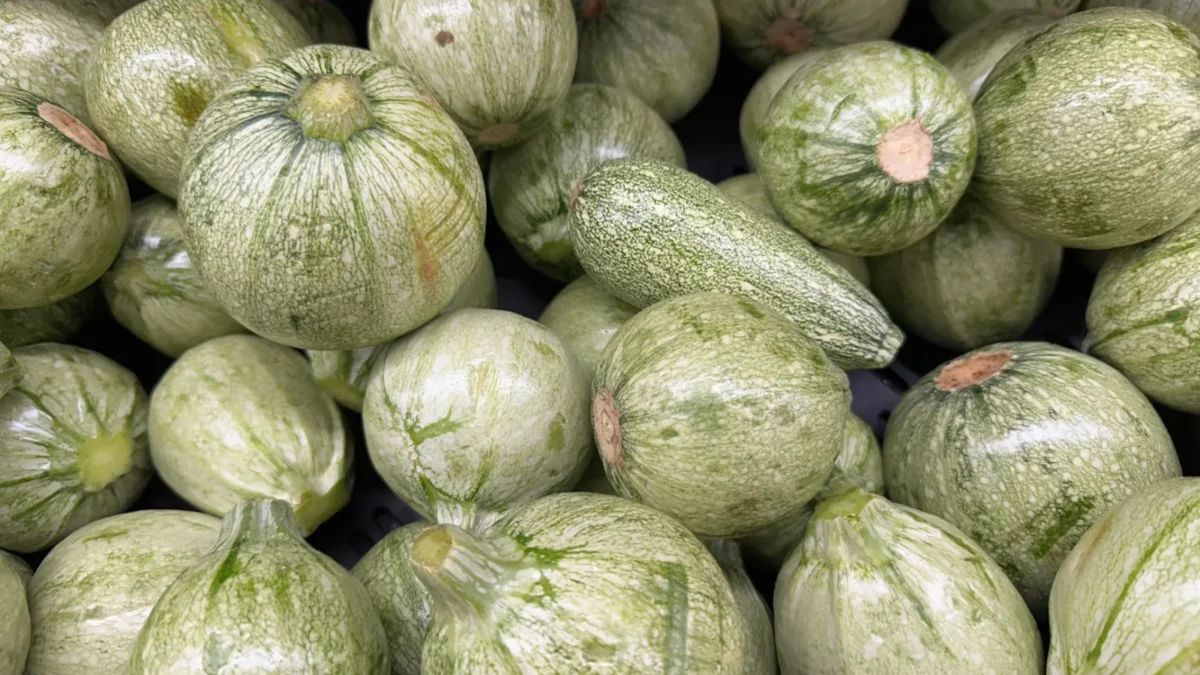
Quick answer: Zucchini benefits from companions that improve air circulation, attract pollinators, and deter pests—the most effective are nasturtiums, radishes, borage, and marigolds. Avoid planting near potatoes or fennel. The Three Sisters Garden approach creates an interdependent relationship that helps deter weeds and pests while enriching the soil.
| Botanical name | Cucurbita pepo var. cylindrica |
|---|---|
| Light | 8-10 hours direct sunlight daily; full sun (6+ hours minimum) |
| Watering | Water when soil is dry 2 inches below surface; plentiful consistent moisture until fruits fill out |
| Temperature | Soil 65-70°F minimum for planting; optimal 70-95°F for germination |
| Soil | Well-drained, fertile, loose, organically rich; pH 6.0-6.5; moisture retentive |
| Feeding | Balanced 10-10-10 initially; avoid excess nitrogen; side-dress when female flowers appear |
| Size | 1-5 feet tall; 2-25 feet wide or long depending on cultivar |
| Difficulty | easy |
| Cats | ✓ non-toxic |
| Dogs | ✓ non-toxic |
Why companion plants matter for zucchini
Zucchini’s main vulnerabilities are pests like squash bugs and powdery mildew, both of which thrive when air circulation is poor and humidity builds up around the plant. Strategic zucchini companion plants address these issues by improving air flow, reducing pest pressure, and supporting pollination—which zucchini absolutely depends on, since male and female flowers must pollinate together for fruit to form.
Spacing matters: bush and non-vining varieties need at least three feet between plants to provide sufficient space for good air circulation. Companion planting works best within that framework.
Best vegetable companion plants for zucchini
Radishes germinate quickly and mark rows without competing for root space. They also repel cucumber beetles, a pest that affects cucurbits. Plant them densely around zucchini; they’ll be harvested before the zucchini needs the space.
Nasturtiums act as a trap crop for squash bugs and other pests, drawing them away from your zucchini. They also attract beneficial insects and are edible if you like peppery flowers. Borage is another excellent insectary plant—it attracts pollinators essential for fruit set and deters hornworms and other pests.
Marigolds reduce nematode pressure in the soil and repel many insects. Plant them densely around the perimeter of your zucchini patch.
Tall herbs like dill create the air movement zucchini needs to resist powdery mildew. Mint and basil also work well, though mint should be contained since it spreads aggressively.
Vegetable and herb combinations to avoid
Do not plant zucchini near potatoes—they compete for nutrients and attract overlapping pests. Fennel inhibits the growth of many vegetables and should be kept separate from your entire garden.
Tomatoes share similar watering needs with zucchini, so they can be neighbours if you have room, but they don’t add companion benefits and may compete for nutrients if fertilizer is not managed carefully. Since zucchini is very sensitive to excess nitrogen, avoid heavy feeders as close companions.
FAQ
Can I plant zucchini with tomatoes?
Yes, they can grow together without harming each other, but they offer no mutual benefits as companion plants. Both need consistent moisture and similar spacing, so ensure adequate air circulation around both.
Does zucchini need pollinators?
Yes—zucchini produce separate male and female flowers, and they must pollinate together for fruit to form. Companion plants that attract bees and other pollinators (borage, nasturtiums, marigolds) directly support your harvest.
Read the full guide: Zucchini Care: The Complete Growing Guide
Was this article helpful?
More about Zucchini
The same problem in other plants
- Best Companion Plants for Carrots
- Best Companion Plants for Lettuce
- Best Companion Plants for Bell Peppers
- Best Cucumber Companion Plants
Sources
- Explore Cornell – Home Gardening – Vegetable Growing Guides – Growing Guide
- Hot weather fertilizer tips for your yard and garden
- How to Grow Zucchini in Your Backyard Garden
Photo: Terrance Barksdale / Pexels, Pexels