
Zucchini Cucurbita pepo var. cylindrica
Zucchini Care and Maintenance: The Complete Growing Guide
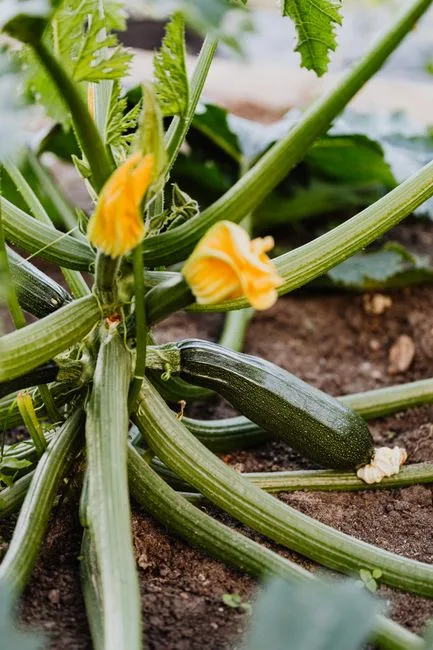
Zucchini care and maintenance requires attention to a few key factors: steady sunlight, consistent moisture, proper spacing, and regular harvesting. This guide walks you through every step of growing healthy, productive zucchini plants that reward you with abundant fruit throughout the season.
| Botanical name | Cucurbita pepo var. cylindrica |
|---|---|
| Light | 8-10 hours direct sunlight daily; full sun (6+ hours minimum) |
| Watering | Water when soil is dry 2 inches below surface; plentiful consistent moisture until fruits fill out |
| Temperature | Soil 65-70°F minimum for planting; optimal 70-95°F for germination |
| Soil | Well-drained, fertile, loose, organically rich; pH 6.0-6.5; moisture retentive |
| Feeding | Balanced 10-10-10 initially; avoid excess nitrogen; side-dress when female flowers appear |
| Size | 1-5 feet tall; 2-25 feet wide or long depending on cultivar |
| Difficulty | easy |
| Cats | ✓ non-toxic |
| Dogs | ✓ non-toxic |
Key points
– Zucchini needs 8–10 hours of direct sunlight daily and well-drained, fertile soil with a pH between 6.0 and 6.5
– Water deeply and infrequently when the soil is dry 2 inches below the surface, using drip or soaker hoses to keep leaves dry
– Space plants at least 3 feet apart and avoid excess nitrogen, which delays flowering
– Both male and female flowers must be pollinated for fruit to develop
– Pick zucchini when 1.25 to 2 inches in diameter and 7 to 8 inches long to encourage continued production
– Powdery mildew and squash bugs are the most common threats; manage them early before they spread
Sunlight and Site Selection
Zucchini demands abundant light to produce fruit and thrive. Provide 8–10 hours of direct sunlight daily, with an absolute minimum of 6 hours. Choose a spot that receives full sun for most of the day—afternoon shade in extremely hot climates is acceptable, but morning sun is essential.
Site selection also means thinking about airflow. Good air circulation around plants helps prevent disease and keeps foliage dry after rain or overhead watering. Avoid planting zucchini in low-lying areas where water pools or where humidity tends to linger.
Soil Preparation and Spacing
Getting Your Soil Ready
Zucchini thrives in loose, well-drained, organically rich soil with a pH between 6.0 and 6.5 for best yield. Work compost or aged manure into your beds before planting to improve structure and fertility.
Drainage matters more than you might think. If your soil is heavy clay or tends to stay wet, build raised beds to ensure water moves through quickly. Waterlogged soil invites root rot and fungal problems. Conversely, sandy soil dries out fast, so work in plenty of organic matter to help it retain moisture and nutrients.
Test your soil’s pH if you can. If it’s too high (alkaline), you may run into nutrient lockup issues later. Incorporate compost or fertilizer into the top few inches before planting.
Spacing for Air and Growth
Proper spacing is essential for disease prevention and ease of harvest. Space bush and non-vining varieties at least 3 feet apart. If you’re planting in hills, space hills 3–4 feet apart in-row and 4–6 feet between rows. Vining varieties, if you grow them, need more room—allow at least 4 feet between plants.
Generous spacing provides the good air circulation that keeps foliage dry and reduces humidity-related diseases. Crowded plants are more susceptible to powdery mildew and other fungal infections.
Watering Your Zucchini Plants
Consistent moisture is the foundation of zucchini care and maintenance. Plants need plentiful and consistent water from emergence until fruits begin to fill out. The key is balancing moisture without waterlogging.
How Often and How Much
Water when the soil is dry 2 inches below the surface—poke your finger into the soil to check. This usually means watering deeply every 2–3 days in hot weather, or once or twice weekly in cooler periods. Sandy soils may need water twice a week, while clay-rich or mulched soils hold moisture longer and may need water only once a week.
Aim for deep, infrequent watering that moistens the entire root zone without waterlogging. This approach encourages roots to grow deeper, away from the hot, dry soil surface, and strengthens the plant’s resilience to stress. Shallow, frequent sprinkles do the opposite—they promote weak, shallow roots and invite fungal attack.
Mulching the soil around plants helps retain moisture, reducing watering frequency. A 2–3 inch layer of straw or wood chips keeps the soil cooler and more consistent.
Method and Timing
Use drip irrigation, soaker hoses, or hand-water the soil carefully so leaves stay dry. Never spray plants with a sprinkler or hose—wet foliage invites powdery mildew and other fungal diseases. Water early in the day when possible, though do not wait to water if plants are wilting under drought stress.
For container-grown zucchini, water every 2–3 days during hot, dry periods, checking that containers have drainage holes to prevent waterlogging.
Too much water has its own problems: excess moisture washes nutrients away from young roots and promotes rot.
Soil Temperature and Planting Time
Zucchini germinates best when soil reaches 70–95°F, though seeds can sprout at 60°F minimum. Wait to plant until soil is at least 65°F, preferably 70°F or warmer. In cold soil, seeds rot before sprouting. If you live in a cool climate, plant after the last frost date when soil has warmed through. Planting too early is one of the most common mistakes home growers make.
Feeding and Fertilization
Zucchini has medium nutrient needs and is unusually sensitive to excess nitrogen. Too much nitrogen delays flowering dramatically, which means fewer or later fruits. This is the most important fertilizer rule for zucchini.
Initial Application
Start with a balanced 10-10-10 NPK fertilizer mixed into the soil before planting. This establishes a foundation without overstimulating vegetative growth.
Check your soil test for phosphorus and potassium levels. Many soils already have adequate phosphorus, so unless your test specifically recommends more, use a low- or no-phosphorus fertilizer to avoid nutrient imbalances,.
Side-Dressing During Growth
Once female flowers begin to appear, side-dress the soil with a balanced or slightly potassium-rich fertilizer. At this stage, the plant is shifting energy toward fruit production and benefit from a nutrient boost. Avoid high-nitrogen fertilizers at this point.
If you have very sandy soil that drains and leaches quickly, split your fertilizer application: apply half or a third in spring at planting, then add the rest over the next month or two. This prevents nutrients from washing away too quickly. However, never apply excess nitrogen late in the season, as it suppresses flowering when you want maximum fruit production.
Pollination and Fruit Production
Zucchini produces both male and female flowers on the same plant. Female flowers have a small swelling (the ovary) at the base; male flowers are on simple stems. Both must be pollinated together for fruit to form. In most gardens, bees handle this naturally.
If you notice few fruits forming despite plenty of flowers, check your nitrogen fertilizer—excess nitrogen delays flowering. Also ensure plants are getting enough water during the flowering period. Stress from drought can reduce pollination success.
In home gardens with few pollinators, hand-pollination is simple: use a small brush to transfer pollen from male flowers to the center of female flowers early in the morning.
Harvesting and Timing
Regular harvesting is essential for zucchini care and maintenance success. Pick zucchini when they are 1.25 to 2 inches in diameter and 7 to 8 inches long. At this stage, skin is tender, seeds are small, and flavor is mild.
Do not wait for zucchini to become large and hard with fully developed seeds. Oversized fruit saps energy from the plant that could produce more young, tender squash. Go over plants every 1 or 2 days during peak season to catch fruit at the right size.
Bush varieties, kept picked regularly, will continue producing until frost. The more you harvest, the more flowers the plant sets—it’s trying to mature seeds, so removing fruit signals the plant to make more.
Common Pests and Management
Squash Bugs
Squash bugs are the most damaging pest for zucchini in many regions. They overwinter in plant debris and emerge in spring to feed on young plants. Early detection is crucial: there are two vulnerable periods. First, when seedlings have undeveloped root systems and are exposed to overwintering adults; second, when plants flower and eggs begin to hatch.
Handpick bugs and eggs and drop them into a bucket of soapy water. Egg masses are orange-yellow or bronze and usually found on leaf undersides. Cover young plants with row covers of nylon netting or cheesecloth to block bugs from landing.
When nymphs emerge, control them every 3 days for the first 2 weeks. Insecticidal soaps are contact insecticides, so spray all plant surfaces, especially leaf undersides. Spinosad, permethrin, and neem oil are other options. Plant resistant varieties like ‘Black Zucchini’ if squash bugs are a persistent problem in your area.
In fall, do thorough garden cleanup and till plant debris into the soil to expose and bury overwintering stages.
Other Pests
Zucchini can also be affected by cucumber beetles, squash vine borers, aphids, spider mites, whiteflies, and leafminers. Scout plants regularly and remove affected leaves or pests by hand when populations are small. Healthy plants under good care are more resilient to pest pressure.
Diseases and Prevention
Powdery Mildew
Powdery mildew is the most common and serious disease of zucchini and other cucurbits. It appears as white, powdery patches on leaves, stems, and petioles, usually starting on older leaves. As it spreads, it covers plant surfaces with white, fluffy mycelium and reduces yield by acting as a photosynthetic sink.
Unlike most fungi, powdery mildew does not need rainfall to spread. It needs 2 or more hours of high humidity or dew on leaves to infect, but once established, thrives in dry conditions. This is why it’s so common in late summer.
Management must be early and aggressive. Apply fungicides when the first white spots appear and repeat every 7–10 days. Once leaves are heavily covered, chemical control becomes ineffective. Better air movement and reduced canopy humidity help lower disease severity. Remove infected plant debris in fall to reduce overwintering sources.
Anthracnose (Gummy Stem Blight)
Zucchini can develop sunken fruit spots with greenish-black, velvety fungal growth. As spots age, the center falls out, leaving ragged holes,. The disease thrives in wet conditions.
Prevent it by purchasing clean seed from reputable sources and never saving seed from infected plants. Rotate zucchini and other squash family crops to a new location; wait at least 2 years before planting any squash in the same bed. Use drip irrigation instead of overhead sprinklers, and avoid working in plants when leaves are wet. Remove and destroy infected fruit and vines at season’s end.
FAQ
Why are my zucchini leaves turning yellow?
Yellowing leaves have several possible causes: poor drainage, compacted roots, high soil pH, or nutrient deficiencies. Iron deficiency typically affects new leaves first, with green veins remaining visible,; apply a chelated iron fertilizer, ideally sprayed on young leaves in spring. Nitrogen deficiency turns both old and new leaves uniformly yellow; apply nitrogen fertilizer to correct it. Overwatering also causes yellowing. Ensure your soil drains well and you’re watering only when the top 2 inches are dry.
How do I know when zucchini is ripe for picking?
Zucchini is ready to harvest when it reaches 1.25 to 2 inches in diameter and 7 to 8 inches long. At this size, skin is tender and seeds are small. Pick every 1–2 days during the growing season to encourage more fruit production.
Is zucchini safe for my pets?
Zucchini is non-toxic to both dogs and cats,. However, avoid feeding them fried zucchini or dishes with garlic, onion, salt, or heavy seasoning. Also discard any zucchini that tastes unusually bitter, as squash can produce toxic compounds called cucurbitacins under stress or in poor crosses.
Can I grow zucchini in containers?
Yes, but containers must be large and have adequate drainage holes to prevent waterlogging,. Water every 2–3 days during hot, dry periods. Container-grown plants need more frequent watering than in-ground zucchini because soil dries faster.
What’s the ideal soil pH for zucchini?
The best pH range is 6.0 to 6.5, slightly acidic. Some sources indicate 6.0–7.0 is acceptable. If your soil is too alkaline, iron and other micronutrients become locked up, causing chlorosis and poor growth.
Why are my zucchini flowers not producing fruit?
If you have abundant flowers but little fruit, excess nitrogen is the most likely culprit—it delays or suppresses flowering. Avoid high-nitrogen fertilizers, especially once plants begin to flower. Also ensure consistent moisture during flowering and that pollinating insects have access to your garden. In rare cases, hand-pollinate by brushing pollen from male to female flowers in early morning.
Was this article helpful?