
Zucchini Cucurbita pepo var. cylindrica
How to Hand-Pollinate Zucchini Flowers for More Fruit
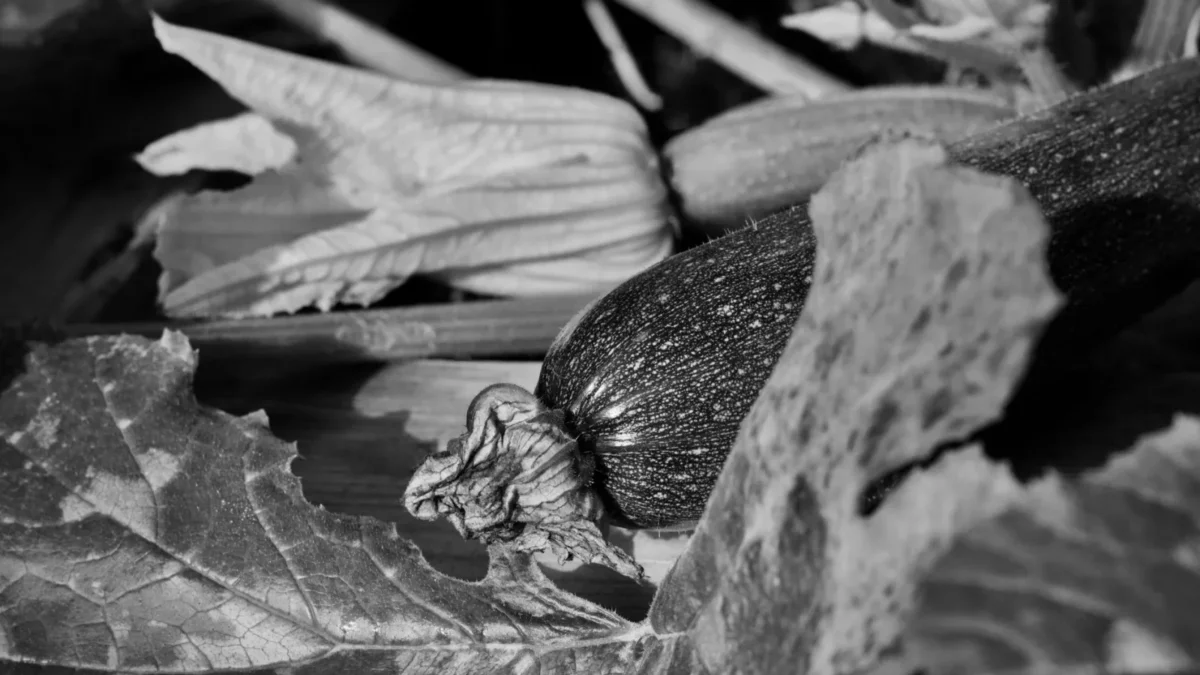
Quick answer: Hand-pollinating zucchini flowers is straightforward—remove a male flower, strip its petals to expose the pollen-covered stamen, and brush it inside a female flower. This guarantees fertilization when natural pollinators are few, ensuring you get more reliable fruit production.
| Botanical name | Cucurbita pepo var. cylindrica |
|---|---|
| Light | 8-10 hours direct sunlight daily; full sun (6+ hours minimum) |
| Watering | Water when soil is dry 2 inches below surface; plentiful consistent moisture until fruits fill out |
| Temperature | Soil 65-70°F minimum for planting; optimal 70-95°F for germination |
| Soil | Well-drained, fertile, loose, organically rich; pH 6.0-6.5; moisture retentive |
| Feeding | Balanced 10-10-10 initially; avoid excess nitrogen; side-dress when female flowers appear |
| Size | 1-5 feet tall; 2-25 feet wide or long depending on cultivar |
| Difficulty | easy |
| Cats | ✓ non-toxic |
| Dogs | ✓ non-toxic |
Identifying Male and Female Flowers
Zucchini produces both male and female flowers on the same plant. The difference is obvious once you know what to look for. Female flowers have a small, immature zucchini (the ovary) at their base—it looks like a tiny green squash attached behind the bloom. Male flowers grow on thin stems with nothing at the base; they exist only to produce pollen and drop off after a day or so.
You’ll see many more male flowers than female ones early in the season. This is normal. Female flowers typically appear as the plant matures and begin to form in clusters, so patience pays off.
The Hand-Pollination Process
- Pick a fully open male flower in the morning, when pollen is most viable.
- Gently peel back or remove the petals to expose the central stamen—the yellow, pollen-dusted finger-like structure in the center.
- Locate an open female flower (look for the small fruit behind the bloom).
- Brush or dab the male stamen directly onto the stigma (the bumpy center) of the female flower, making sure pollen contacts the female part.
- One male flower can pollinate several females; you’ll have plenty of pollen.
Do this in the early morning when flowers are freshly opened. The process takes seconds per flower and needs no special tools—your finger works fine.
When to Hand-Pollinate
Hand-pollinate when you notice female flowers appearing but few fruits are setting. This often happens in poor weather, early season when bee activity is low, or if your garden lacks nearby pollinator habitat. Once temperatures warm and bee visits increase, natural pollination usually takes over and you can stop.
Consistent hand-pollination during the critical early fruiting weeks ensures you don’t lose production to pollination failure. After a few female flowers successfully set fruit, the plant’s vigor usually improves and bees find it more attractive.
Read the full guide: Zucchini Care: The Complete Growing Guide
Was this article helpful?
More about Zucchini
The same problem in other plants
Sources
- Know What You Grow! Summer Squash Growing Information Warm Season Plant
- How to Grow Zucchini in Your Backyard Garden
Photo: Peter Dyllong / Pexels, Pexels