
Zucchini Cucurbita pepo var. cylindrica
Are Zucchini Leaves Edible? How to Harvest and Use Them
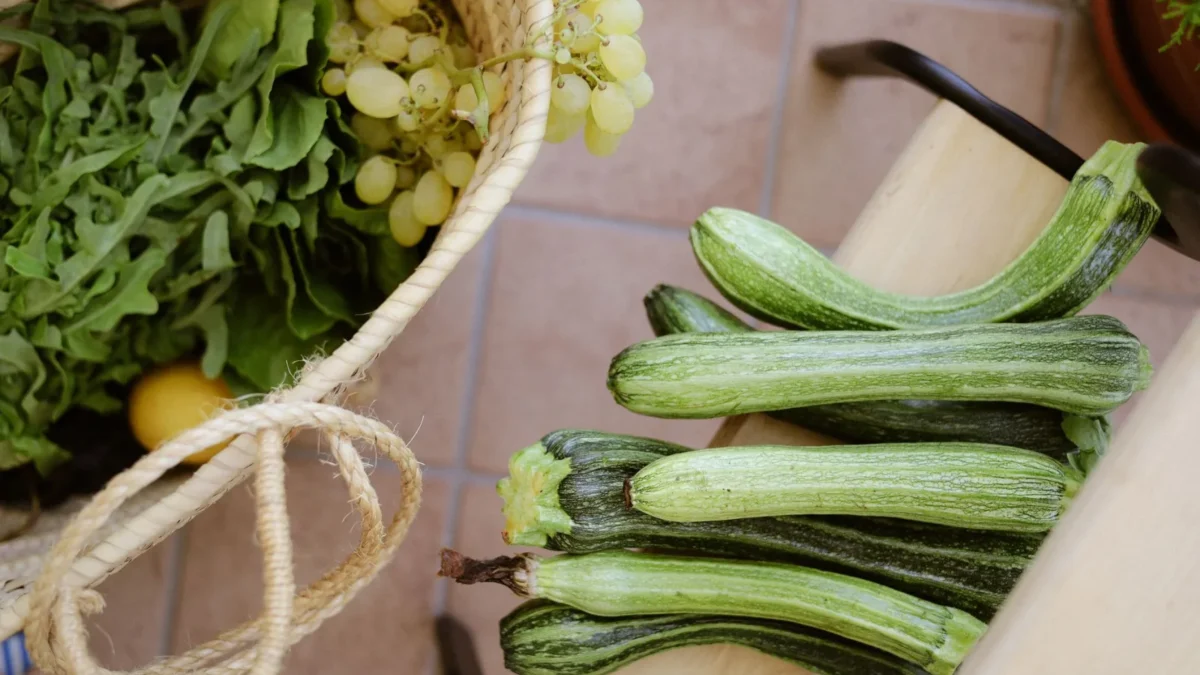
Quick answer: Yes, zucchini leaves are entirely edible and nutritious. The younger, tender leaves taste milder and cook more quickly, making them ideal for most recipes, while larger mature leaves work best in soups and stews where they can soften during cooking.
| Botanical name | Cucurbita pepo var. cylindrica |
|---|---|
| Light | 8-10 hours direct sunlight daily; full sun (6+ hours minimum) |
| Watering | Water when soil is dry 2 inches below surface; plentiful consistent moisture until fruits fill out |
| Temperature | Soil 65-70°F minimum for planting; optimal 70-95°F for germination |
| Soil | Well-drained, fertile, loose, organically rich; pH 6.0-6.5; moisture retentive |
| Feeding | Balanced 10-10-10 initially; avoid excess nitrogen; side-dress when female flowers appear |
| Size | 1-5 feet tall; 2-25 feet wide or long depending on cultivar |
| Difficulty | easy |
| Cats | ✓ non-toxic |
| Dogs | ✓ non-toxic |
Which zucchini leaves to harvest
All parts of the zucchini plant are safe to eat—there’s nothing toxic in the leaves, stems, or flowers. The variety you choose matters less than the age of the leaf. Younger leaves, typically found near the growing tip, are more tender and have a subtle squash flavor that pairs well with garlic, olive oil, and lemon. Older leaves develop thicker veins and a tougher texture, but they add body to soups and work well in stir-fries where prolonged cooking breaks them down.
Harvest leaves in the morning when the plant is hydrated and they’ll snap cleanly from the stem. Use a clean knife or scissors rather than tearing, which can damage the plant and leave rough edges prone to disease. The plant will keep producing new leaves throughout the season as long as you don’t strip it bare—remove no more than one-third of the foliage at a time, and always leave the growing center intact so the plant continues flowering and producing fruit.
Preparing zucchini leaves for cooking
Rinse leaves thoroughly under cool running water and pat them dry. Remove the thick central stem (you can cook smaller stems, but larger ones are stringy). Younger leaves can be used whole or torn into bite-sized pieces; blanch older leaves in salted boiling water for 2–3 minutes before using them in soups, or sauté them gently in olive oil over medium heat until they soften, about 5 minutes.
Zucchini leaves pair especially well with garlic, onions, olive oil, tomatoes, and mild cheeses. They’re excellent in frittatas, pasta dishes, and risottos, or simply wilted as a side vegetable. Because the plant’s nutrient needs are modest, you can harvest and eat the leaves confidently—they’re one of the most nutritious parts you can use from your garden zucchini.
Read the full guide: Zucchini Care: The Complete Growing Guide
Was this article helpful?
More about Zucchini
The same problem in other plants
- When to Harvest Carrots for Best Flavor and Size
- When to Harvest Lettuce
- When to Harvest Bell Peppers and How to Pick Them
- When to Harvest Cucumber Seeds for Saving