
Zucchini Cucurbita pepo var. cylindrica
Common Zucchini Pests and How to Stop Them
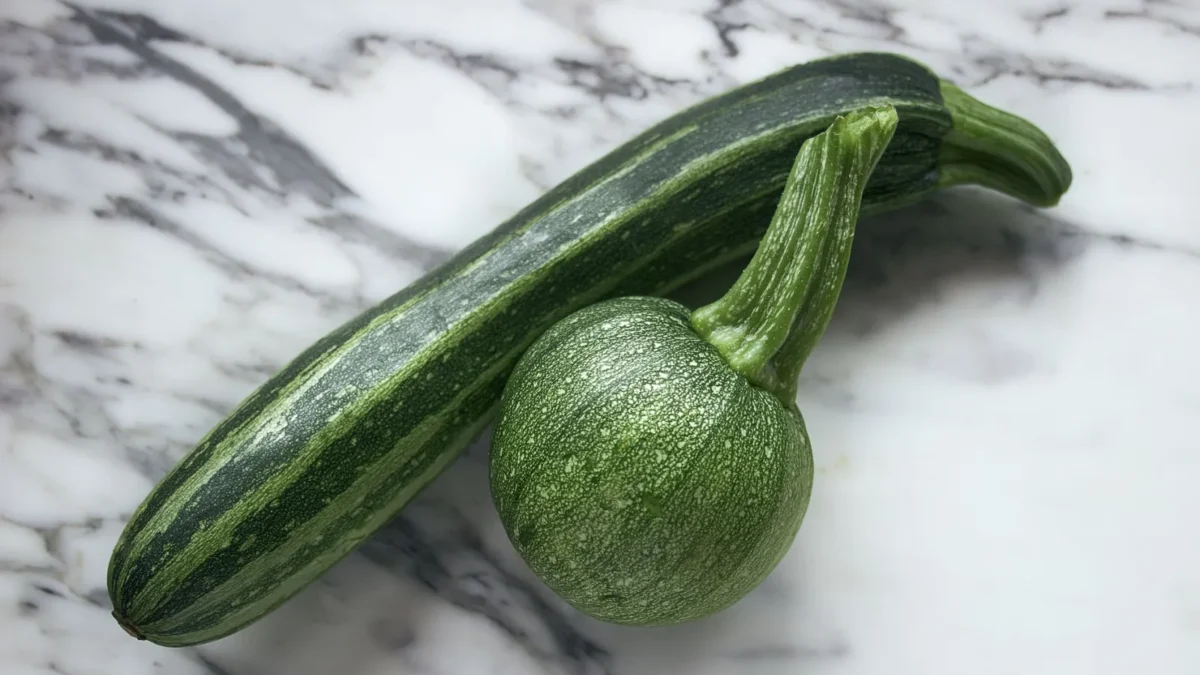
Quick answer: The main zucchini pests are squash bugs, cucumber beetles, and spider mites. Early detection and handpicking are your first line of defense; row covers protect seedlings, and targeted insecticides work best on nymphs rather than adults.
| Botanical name | Cucurbita pepo var. cylindrica |
|---|---|
| Light | 8-10 hours direct sunlight daily; full sun (6+ hours minimum) |
| Watering | Water when soil is dry 2 inches below surface; plentiful consistent moisture until fruits fill out |
| Temperature | Soil 65-70°F minimum for planting; optimal 70-95°F for germination |
| Soil | Well-drained, fertile, loose, organically rich; pH 6.0-6.5; moisture retentive |
| Feeding | Balanced 10-10-10 initially; avoid excess nitrogen; side-dress when female flowers appear |
| Size | 1-5 feet tall; 2-25 feet wide or long depending on cultivar |
| Difficulty | easy |
| Cats | ✓ non-toxic |
| Dogs | ✓ non-toxic |
Squash bugs: the most damaging pest
Squash bugs are your biggest threat to zucchini. Adults overwinter in garden debris and emerge in spring to attack seedlings with undeveloped root systems—this is the most critical vulnerability window. They feed by piercing plants and sucking out sap, which wilts and kills young plants fast.
Egg masses are either orange-yellow or bronze and cluster on the undersides of leaves; you’ll spot them before the damage spreads. Handpick both adults and eggs and drop them in soapy water—this simple method stops infestations before they explode.
If bugs do establish themselves, control nymphs every 3 days for the first 2 weeks after squash bugs start emerging. Insecticidal soaps are contact insecticides, so coat all plant surfaces thoroughly, especially undersides. Spinosad, permethrin, and neem oil also work on nymphs but are far less effective once bugs mature into hard-bodied adults.
To prevent reinfestation next year, do a thorough garden cleanup in fall and till plants into the ground after harvest to expose overwintering bugs. Plant resistant varieties like ‘Black Zucchini’ if squash bugs have been a persistent problem.
Protecting seedlings with row covers
Young zucchini plants are most vulnerable when they’re small. Cover seedlings with row covers made of nylon netting or cheesecloth to block bugs from landing and feeding. Remove covers once plants flower so bees can pollinate.
Spider mites and other common pests
Zucchini can host many pests including twospotted spider mites, cucumber beetles, cabbage loopers, melon aphids, greenhouse whitefly, and vegetable leafminers. Spider mites thrive in hot, dry conditions and cluster on leaf undersides, stippling leaves with tiny yellow spots that merge into dead patches.
Watch for striped or spotted cucumber beetles feeding on leaves and blossoms. Control early infestations by removing affected leaves or using spinosad or neem oil. Once populations grow, control becomes difficult, so catching them early matters far more than treatment method.
Prevention matters more than cure
Give zucchini sufficient space to provide good air circulation; crowded plants harbor more pests and disease. Space bush varieties 3 feet apart; allow more for vining types. Water the soil, not the leaves, using drip hose or soaker hose rather than sprinklers—wet foliage creates conditions pests and fungi love. Water when soil is dry 2 inches below the surface, keeping moisture consistent without waterlogging.
Rotate vegetables so two or more years pass before planting any member of the squash family in the same location. This breaks pest life cycles and reduces overwintering populations naturally.
Read the full guide: Zucchini Care: The Complete Growing Guide
Was this article helpful?
More about Zucchini
The same problem in other plants
- Common Carrot Pests and How to Control Them
- Bell Pepper Pests: What's Eating Your Plants and How to Stop Them
- Cucumber Pests: Identification and Control
- Common Tomato Pests: Identification and Organic Control
Sources
Photo: MemorySlashVision / Pexels, Pexels