
Bell Pepper Capsicum annuum
Bell Pepper Pests: Identify and Stop Common Insects Eating Your Plants
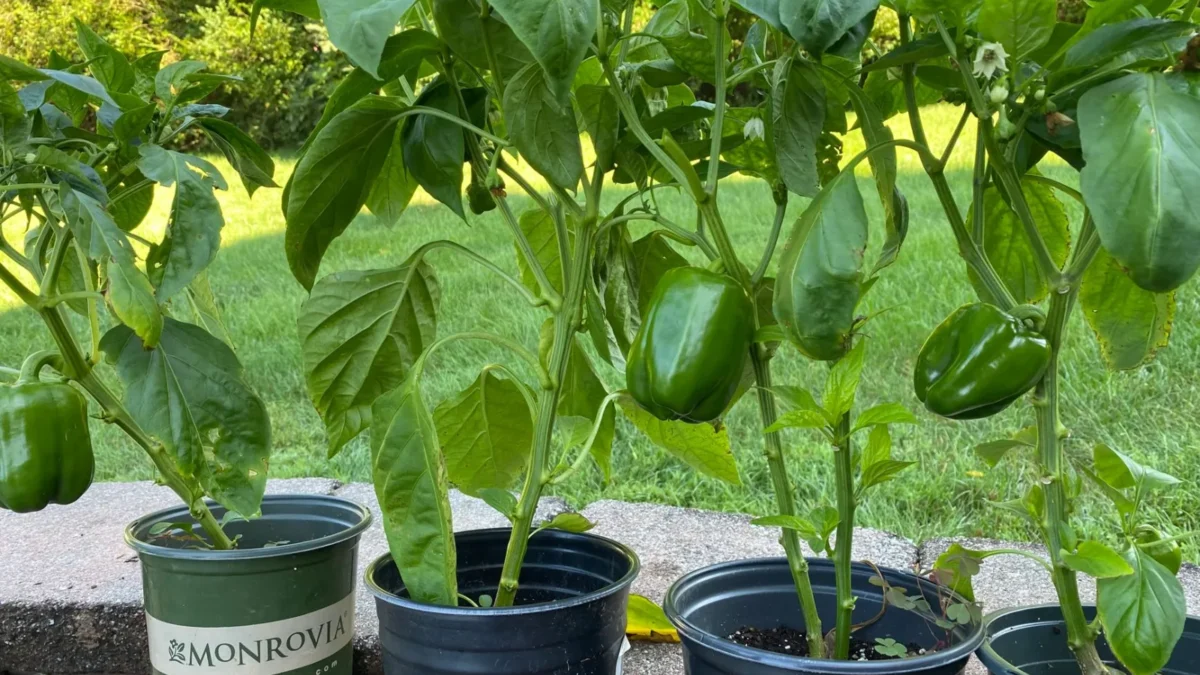
Common Bell Pepper Pests and How to Identify Them
Bell peppers are vulnerable to three main bell pepper pests: aphids, red spider mites, and whitefly. Each causes different damage and responds to different treatments, so identifying which pest you’re facing matters.
| Botanical name | Capsicum annuum |
|---|---|
| Light | Full sun for most of the day; 18-20 hours of light per day for seedlings |
| Watering | Water when soil is dry 2 inches below surface; avoid overhead watering; keep soil uniformly moist but not saturated |
| Temperature | Optimum 70-75°F; ideal vegetative growth 77-80°F day, 64-68°F night; avoid below 60°F or above 85°F |
| Soil | Well-drained loamy or sandy loam soil; pH 6.0-6.5 |
| Feeding | Moderate amounts; high potassium liquid fertilizer once first fruit sets |
| Size | 40-70cm tall |
| Difficulty | moderate |
Aphids cluster on new growth and leaf undersides, leaving sticky residue and yellowing leaves. Red spider mites create fine webbing and cause mottled, speckled foliage—they thrive in hot, dry conditions. Whitefly look like tiny white moths and congregate on the undersides of leaves; they weaken plants by sucking sap and spreading viruses.
All three insects multiply quickly in warm weather, so catching them early gives you the best control.
Organic and Chemical Control Methods
For organic control, start with water spray: a strong jet from the hose dislodges aphids and spider mites temporarily and reduces their populations. This works best on the undersides of leaves where these pests hide.
If water alone isn’t enough, insecticidal soap targets soft-bodied insects like aphids and whitefly. Apply it thoroughly to both sides of leaves, following the product label for timing and repeat applications.
For spider mites, neem oil is effective; it disrupts their reproduction and feeding. Again, follow label directions carefully and reapply as needed.
Chemical options include broad-spectrum insecticides registered for peppers. Read the label to confirm the product targets your specific pest and is safe for edible crops, then follow timing instructions—most require a waiting period before harvest.
Whichever method you choose, spray early in the morning or late evening when beneficial insects are less active, and avoid spraying open flowers.
Prevention: Stop Pests Before They Arrive
The strongest defense against bell pepper pests is preventing infestations. Keep your plants healthy and well-spaced so air circulates freely around the foliage—pests thrive in crowded, humid conditions. Remove any infested leaves or heavily damaged plants immediately so pests don’t spread to neighbors.
Check the undersides of leaves weekly during warm months, especially on new growth. Early detection means you can control small populations before they explode. If you notice pests on nearby plants or weeds, treat those too—they’re a source of reinfestation.
FAQ
When should I start spraying for bell pepper pests?
Begin scouting for pests once plants are flowering and producing fruit. Watch for the first signs—sticky residue, webbing, or yellowing—rather than waiting for visible pest damage. Early intervention prevents populations from building up.
Can I use the same spray for all three pests?
Aphids and whitefly respond well to insecticidal soap and neem oil, but red spider mites are best controlled with neem oil or acaricides specifically labeled for mites. Check your product label to confirm which pests it targets before applying.
Read the full guide: Bell Pepper Care: The Complete Growing Guide
Was this article helpful?
More about Bell Pepper
The same problem in other plants
- Common Carrot Pests and How to Control Them
- Common Zucchini Pests and How to Stop Them
- Cucumber Pests: Identification and Control
- Common Tomato Pests: Identification and Organic Control
Sources
Photo: Richa Varshney / Pexels, Pexels