
Bell Pepper Capsicum annuum
Is Bell Pepper Toxic to Cats and Dogs?
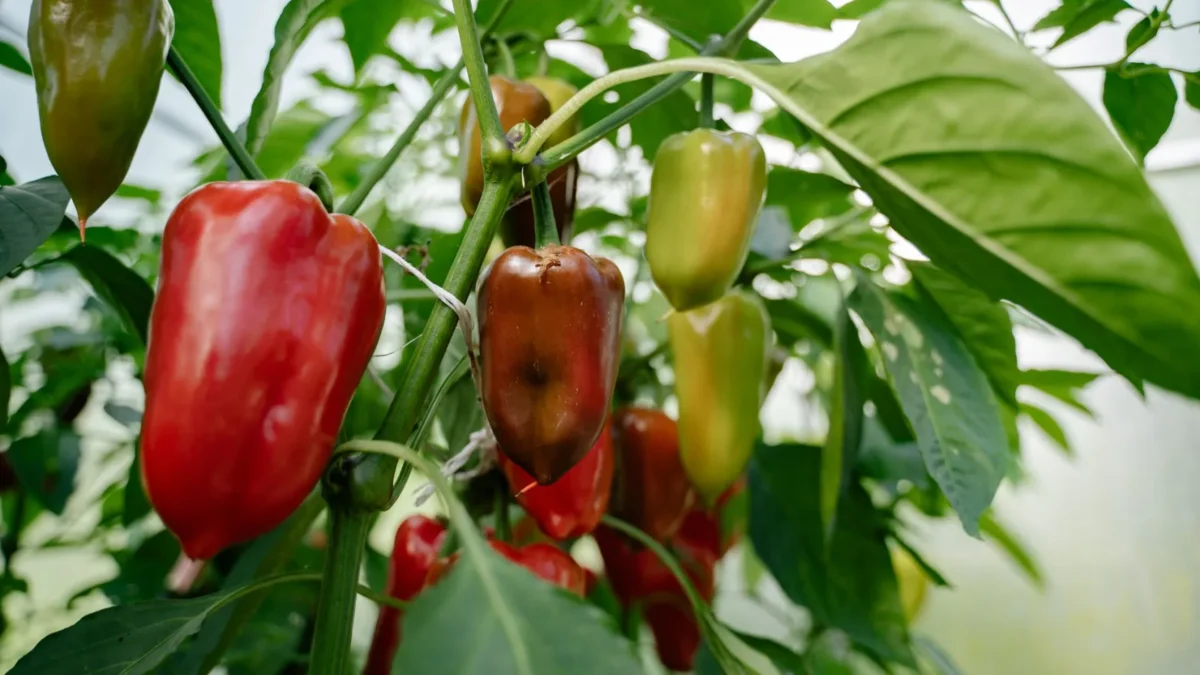
Quick answer: The fruit of bell peppers is non-toxic to both cats and dogs when fed plain in small amounts, but the stems and leaves contain compounds that may be harmful, particularly to cats.
| Botanical name | Capsicum annuum |
|---|---|
| Light | Full sun for most of the day; 18-20 hours of light per day for seedlings |
| Watering | Water when soil is dry 2 inches below surface; avoid overhead watering; keep soil uniformly moist but not saturated |
| Temperature | Optimum 70-75°F; ideal vegetative growth 77-80°F day, 64-68°F night; avoid below 60°F or above 85°F |
| Soil | Well-drained loamy or sandy loam soil; pH 6.0-6.5 |
| Feeding | Moderate amounts; high potassium liquid fertilizer once first fruit sets |
| Size | 40-70cm tall |
| Difficulty | moderate |
Can cats eat bell peppers?
Bell peppers themselves are not toxic to cats when given in small amounts. The risk comes from cats eating the stems or leaves of the bell pepper plant, which contain solanine and could potentially be toxic to them. If your cat has chewed on the foliage or stems, watch for signs of digestive upset, drooling, or difficulty swallowing. Since information about bell pepper toxicity to cats isn’t completely settled by reliable sources, contact your veterinarian or the ASPCA Animal Poison Control Center if your cat has eaten any part of the plant and shows symptoms.
Are bell peppers safe for dogs?
Plain sweet bell pepper flesh is generally non-toxic to dogs, and the seeds and stem are not toxic either. You can offer small pieces of red, yellow, or orange pepper as an occasional treat. Remove any stems, leaves, or seeds if you’re concerned, though the seeds carry no toxicity risk. As with any new food, introduce bell pepper gradually and in small amounts to avoid digestive upset.
Tips for keeping your plants safe from pets
If you’re growing bell peppers at home and have curious cats or dogs, consider placing plants in a spot they can’t easily reach—a high shelf, fenced garden bed, or greenhouse works well. The plant itself isn’t dangerously toxic, but preventing access to leaves and stems removes any uncertainty. Bell pepper plants aren’t aggressive spreaders indoors or in containers, so they’re easy to isolate if needed.
Read the full guide: Bell Pepper Care: The Complete Growing Guide
Was this article helpful?
More about Bell Pepper
The same problem in other plants
- Are Carrots Safe for Cats and Dogs?
- Is Lettuce Safe for Cats and Dogs?
- Is Zucchini Toxic to Pets?
- Is Cucumber Toxic to Other Pets?
Sources
- Can Dogs Eat Bell Peppers? Safe
- Are Pepper Plants Poisonous to Cats? Vet-Reviewed Houseplants Examined — Catster
- Can Cats Eat Bell Peppers? Complete Safety & Nutrition Guide
Photo: Yan Krukau / Pexels, Pexels