
Bell Pepper Capsicum annuum
Bell Pepper Care: The Complete Growing Guide
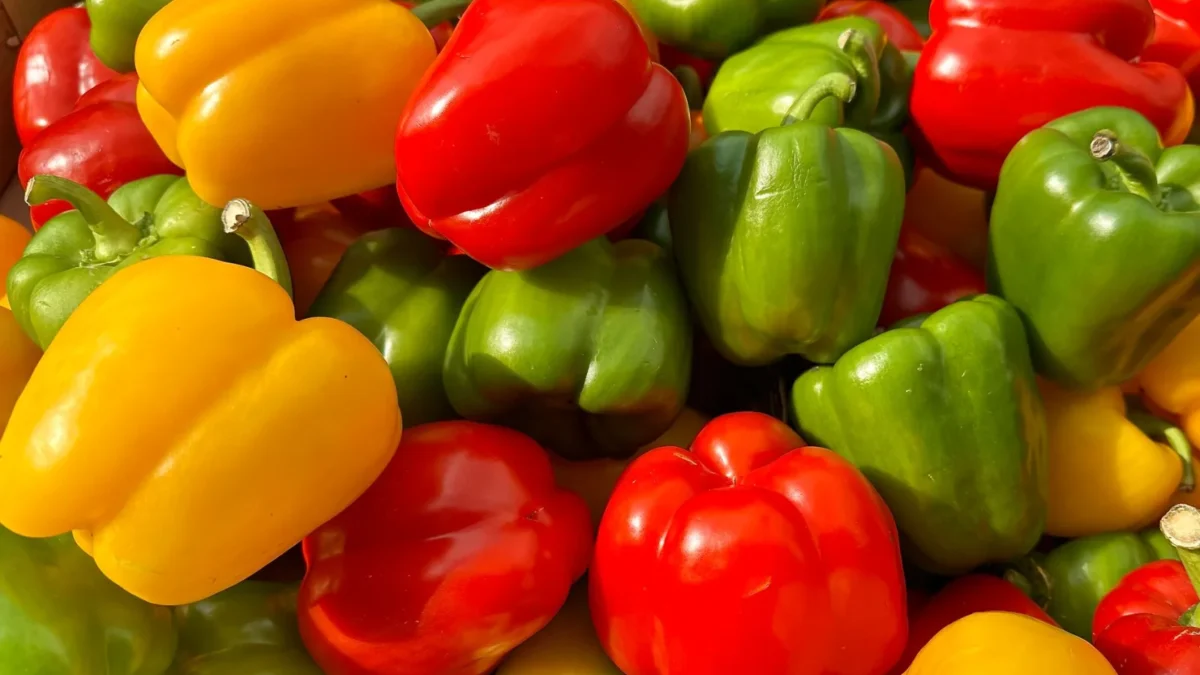
Bell peppers are warm-season plants that need consistent warmth, strong light, and careful watering to produce healthy fruit. This guide covers everything you need to know to grow them successfully, whether in containers or in the ground, indoors or outside.
| Botanical name | Capsicum annuum |
|---|---|
| Light | Full sun for most of the day; 18-20 hours of light per day for seedlings |
| Watering | Water when soil is dry 2 inches below surface; avoid overhead watering; keep soil uniformly moist but not saturated |
| Temperature | Optimum 70-75°F; ideal vegetative growth 77-80°F day, 64-68°F night; avoid below 60°F or above 85°F |
| Soil | Well-drained loamy or sandy loam soil; pH 6.0-6.5 |
| Feeding | Moderate amounts; high potassium liquid fertilizer once first fruit sets |
| Size | 40-70cm tall |
| Difficulty | moderate |
Key points
– Peppers need full sun for most of the day and 18-20 hours of light per day if started indoors
– Water when soil is dry 2 inches below the surface; use drip irrigation, never overhead watering
– Optimal temperature is 70-75°F, with 77-80°F days and 64-68°F nights for growth; avoid extremes below 60°F or above 85°F
– Soil should be well-drained loamy or sandy loam at pH 6.0-6.5
– Feed with high-potassium liquid fertilizer once the first fruit sets
– Plants reach 40-70cm tall and produce fruit 3-6 weeks after flowering
Sunlight and Temperature Requirements for Bell Peppers
Peppers are sun-hungry plants.They should be planted in an area that receives full sun for most of the day. If you’re starting seeds indoors, provide even more light:most annuals need 18 to 20 hours of light per day. Without adequate overhead light,pepper seeds that need more time indoors may become leggy without extra light, resulting in weak, stretched stems that will struggle even after transplanting.
Use grow lights positioned close to seedlings and set them on a timer. Keep the light fixture only 2-3 inches above the tops of the seedlings and raise it as they grow. This prevents the elongation problem entirely.
Once established, peppers thrive in conditions that are warm but not scorching.The optimum temperature for bell peppers is 70-75°F. For best vegetative growth,aim for 77 to 80 degrees fahrenheit during the day, and 64-68 degrees fahrenheit at night. Temperature swings outside these ranges cause problems.Bell pepper flowers are likely to drop without setting fruit if temperatures climb above 85°F or drop below 60°F, so avoid planting outdoors until nighttime lows are reliably above 60°F.
In hot climates, provide afternoon shade cloth during peak summer to prevent heat stress. Indoors, keep plants away from cold windows and heating vents that cause temperature fluctuations.
Watering Your Bell Pepper Plants Correctly
Watering is where most gardeners fail with peppers. The goal is consistency: soil that is evenly moist, never soggy, never dust-dry.
If the soil is dry two inches below the surface, it is time to water. Soak the soil thoroughly—this means watering until water drains from the bottom of the pot or runs off the garden bed, not just sprinkling the surface.A light sprinkling that just wets the surface of the soil can cause shallow root development, increase the crop’s vulnerability to hot weather and drought stress, and reduce fruit quality.
Ensure no overhead watering; switch to drip or bottom watering. Water from above wets the foliage and creates conditions for disease. Use a soaker hose, drip irrigation, or water slowly at the base of each plant.
If the plant does not receive one inch of rain weekly, soak the soil thoroughly at least once a week. If your soil is sandy,it is important to water more often than once a week because sandy soil drains quickly.You may need to water more than once per day during hot, dry weather. At a minimum, you’ll usually need to water at least daily.
When watering, check the soil with your finger before you do—avoid watering by schedule alone. Soil moisture and weather vary. Regular, deep watering is far more effective than frequent light watering.
Soil Preparation and Container Growing
Peppers dislike waterlogged soil.Select a well-drained, loamy, or sandy loam soil for planting.Follow the results of a soil test to maintain a soil pH between 6.0 and 6.5. If you don’t have a soil test done, aim for pH around 6.3 as a starting point.
Peppers will not tolerate water saturated soil and should be planted in a well draining soil or raised bed. If your garden soil is heavy clay, amend it generously with compost or aged manure to improve structure and drainage. For containers, use a quality potting mix rated for vegetables, not generic multipurpose compost.
When growing in pots, choose containers at least 10-12 inches deep (5-gallon is ideal). Ensure there are drainage holes in the base. For garden beds, loosen soil to at least 12 inches deep before planting.
Fertilizing Bell Peppers for Healthy Growth and Fruiting
Peppers don’t need heavy feeding, but they do benefit from targeted nutrition.Peppers require moderate amounts of fertilizer. Too much nitrogen promotes leafy growth at the expense of flowers and fruit.
For the first 4-6 weeks after transplanting, peppers need balanced nutrition to establish roots and foliage. A diluted liquid fertilizer applied every 2-3 weeks is sufficient. Once flowering begins, shift strategy.Water regularly and feed with a high potassium liquid fertiliser once the first fruit has set. Potassium encourages fruit development and improves flavor and color.
If growing in containers, fertilize more frequently (every 1-2 weeks) since nutrients leach from the soil with regular watering. In-ground peppers may need feeding only 2-3 times per season if soil is rich in organic matter.
Common Pests and Diseases: Identification and Treatment
Insects
Peppers may be susceptible to aphids, red spider mites, and whitefly. These pests suck sap from leaves and stems, causing yellowing, stippling, and stunted growth. Inspect the undersides of leaves regularly, as pests often congregate there. For light infestations, spray leaves with a strong stream of water from a hose to dislodge pests. For heavier populations, use insecticidal soap or neem oil, following label directions. Repeat treatments every 7-10 days as needed. Encourage natural predators like ladybugs and parasitic wasps by planting nectar flowers nearby.
Bacterial Spot
Bacterial spot causes small, dark, angular lesions on leaves, stems, and fruit.Bacteria thrive in warm, humid conditions with frequent rainfall or overhead watering, making mid-to-late summer in Western New York a prime time for outbreaks. The disease spreads via water splash and tools. Prevent it by avoiding overhead watering, pruning out affected leaves, and sterilizing pruners between cuts. If the infection is severe, remove the entire plant to prevent spread to neighbors.
Blossom End Rot
Blossom end rot appears as a sunken, dark spot on the bottom of developing fruit. The cause is calcium deficiency linked to inconsistent watering.To prevent blossom end rot, keep the soil uniformly moist, but not saturated. Do not allow the soil to dry out in between watering. Mulch around plants to moderate soil moisture and temperature. If fruit is already affected, remove it and focus on consistent watering going forward.
Humidity, Air Circulation, and Environmental Stress
Peppers need air movement around their foliage to prevent fungal diseases and to aid pollination. In outdoor gardens, natural air currents usually suffice. For indoor or greenhouse growing, run a small fan on low setting several hours a day to keep air moving.
High humidity combined with poor air circulation invites mold and mildew. If you notice powdery white coating on leaves, increase ventilation, reduce overhead watering, and space plants farther apart. Fungal problems are far easier to prevent than to cure.
Indoor peppers in dry conditions (heated homes in winter) may drop flowers due to low humidity. Misting helps temporarily, but moving plants to a more humid location or grouping several plants together is more effective. Outdoor peppers rarely have humidity issues.
When and How to Harvest Bell Peppers
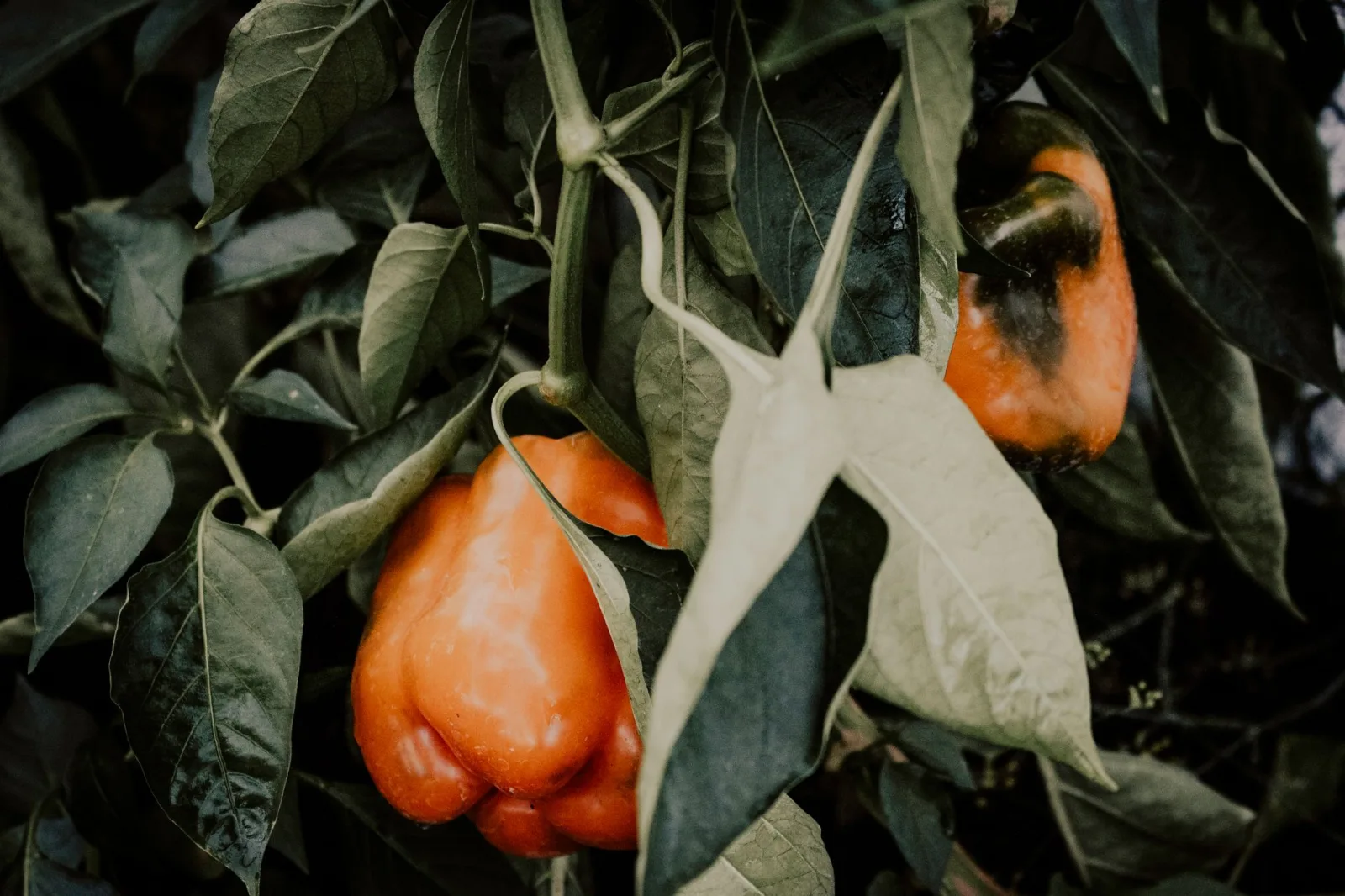
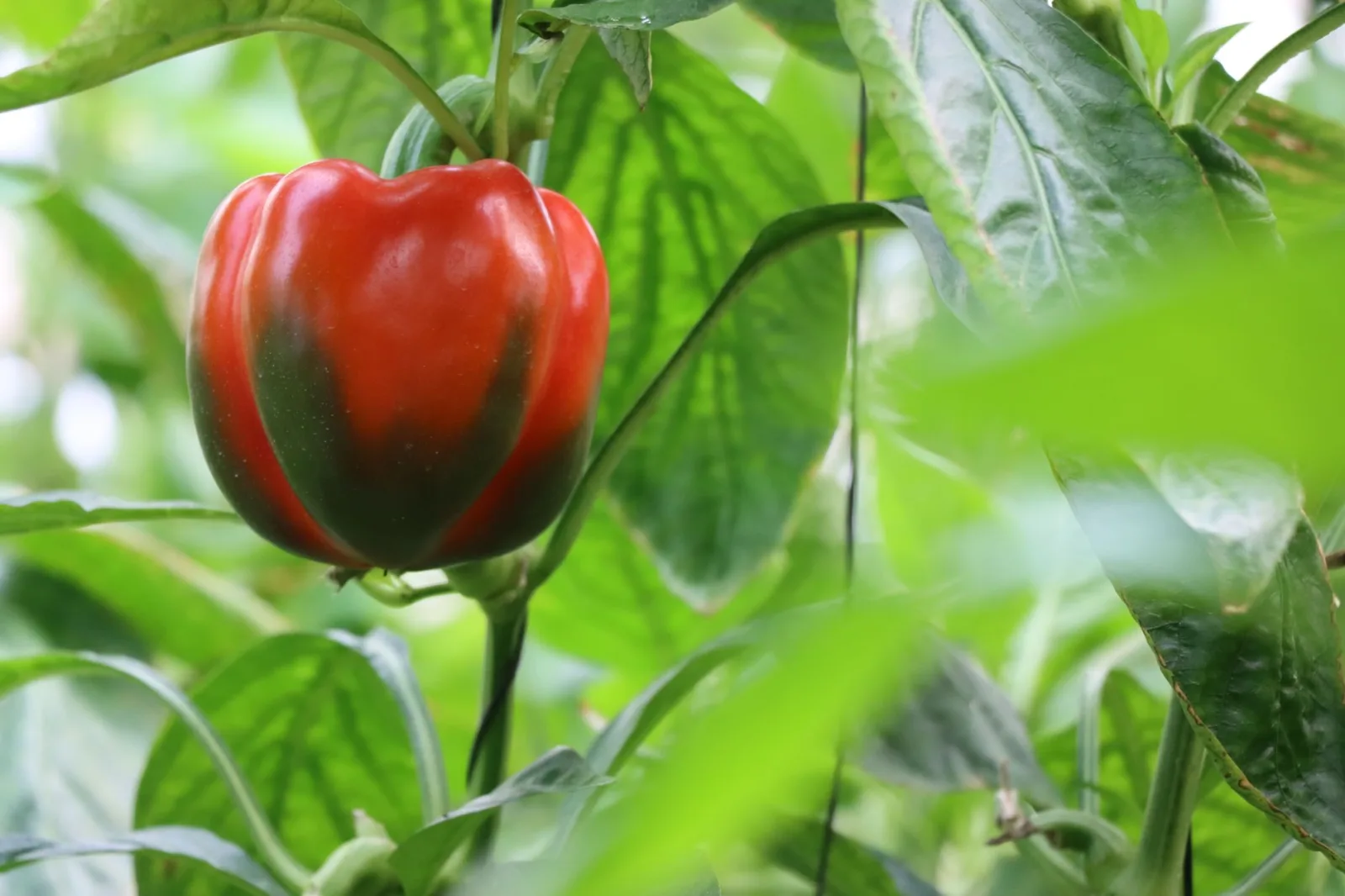
Red, yellow, purple, or brown fruit are produced each season about 3-6 weeks after flowering. Peppers can be harvested green (before color changes) or left on the plant to mature to their final color. Green peppers are ready when they reach full size and have a firm, waxy skin. Colored peppers take 2-3 weeks longer after color appears and are sweeter, with more vitamin C.
Harvest by cutting the stem with pruners or a knife rather than pulling, which can damage the plant. Leave a short stub of stem attached to the fruit. Each fruit removed signals the plant to produce more flowers, so regular harvesting extends the season.
Peppers grow best when you remove the first flower or first tiny fruit that forms, allowing the plant to establish a stronger root system before heavy fruiting. After that, harvest freely.
Spacing, Pruning, and Plant Structure
Space plants 18-24 inches apart in the garden to allow air circulation and room for growth.Sweet pepper plants are typically growing 40-70cm tall, though with good conditions and no pruning they can reach the upper end of this range.
Pruning encourages a bushier, more productive plant.Pinch out growing tips when plants are about 20cm tall to encourage branching. This removes the central stem’s tip, forcing the plant to send out side shoots.Pinch out the growing tip of shoots to encourage a bushier plant. The result is more branches, more flowers, and more fruit from each plant.
As plants mature, you may also remove lower leaves and any branches that touch the soil to improve air circulation and reduce disease risk. Remove diseased or yellowing foliage as it appears.
FAQ
How much light do peppers need to grow?
Peppers need full sun for most of the day outdoors.If starting from seed indoors, provide 18 to 20 hours of light per day using grow lights positioned 2-3 inches above seedlings. Without adequate light,pepper seeds may become leggy.
What temperature do bell peppers prefer?
The optimum temperature is 70-75°F, with ideal vegetative growth occurring at 77-80°F during the day and 64-68°F at night.Avoid temperatures below 60°F or above 85°F, as these cause flowers to drop without setting fruit.
How often should I water bell pepper plants?
Water when the soil is dry 2 inches below the surface.If the plant does not receive one inch of rain weekly, soak the soil thoroughly at least once a week, and more often if soil is sandy.During hot, dry weather, you may need to water more than once per day.
What soil pH do peppers need?
Follow the results of a soil test to maintain a soil pH between 6.0 and 6.5. If soil testing is not available, aim for 6.3.
When do peppers fruit after flowering?
Red, yellow, purple, or brown fruit are produced each season about 3-6 weeks after flowering. Green peppers are ready sooner; colored peppers take 2-3 weeks longer after color develops.
Are bell peppers safe for pets?
Bell peppers (red, yellow, orange, and green) are not toxic to cats when fed in small amounts, thoughthe risk comes from cats eating the stems or leaves of the bell pepper plant.Plain sweet bell pepper flesh is generally non-toxic to dogs, andthe seeds and stem are not toxic.
Was this article helpful?