
Bell Pepper Capsicum annuum
Why Bell Peppers Are Drooping or Wilting—Causes and Fixes
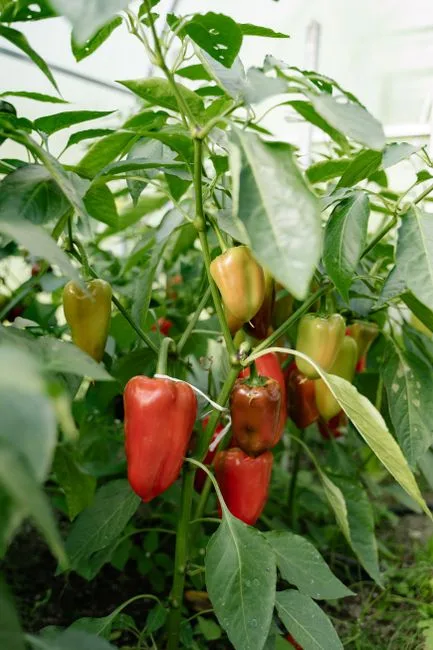
Quick answer: Bell peppers droop or wilt when the soil is too wet or too dry, when temperatures swing outside their comfort zone, or when roots are damaged by rot or pests. The fix depends on the cause—check your soil moisture, temperature range, and drainage first.
| Botanical name | Capsicum annuum |
|---|---|
| Light | Full sun for most of the day; 18-20 hours of light per day for seedlings |
| Watering | Water when soil is dry 2 inches below surface; avoid overhead watering; keep soil uniformly moist but not saturated |
| Temperature | Optimum 70-75°F; ideal vegetative growth 77-80°F day, 64-68°F night; avoid below 60°F or above 85°F |
| Soil | Well-drained loamy or sandy loam soil; pH 6.0-6.5 |
| Feeding | Moderate amounts; high potassium liquid fertilizer once first fruit sets |
| Size | 40-70cm tall |
| Difficulty | moderate |
Why your bell pepper is drooping
Drooping peppers usually signal one of four problems. Start by checking the soil: stick your finger two inches down. If it’s soggy, overwatering is the culprit. If it’s bone dry, the plant needs water. If the soil feels right but the plant still droops, temperature or pests may be responsible.
Overwatering and root rot are the most common mistakes. Bell peppers demand good drainage and will not tolerate water-saturated soil. Even brief waterlogging kills roots, stopping them from moving water and nutrients to the leaves. The plant wilts despite wet soil because the damaged roots cannot function. This often happens in clay soil or pots without drainage holes.
Underwatering causes a different kind of droop. When soil dries out completely, the plant cannot absorb water fast enough to keep leaves firm. In hot weather, peppers need consistent moisture—you may need to water more than once per day during hot, dry spells.
Heat stress wilts leaves even in moist soil. Bell peppers have an ideal temperature window: 77–80°F during the day and 64–68°F at night. Temperatures above 85°F or below 60°F cause the plant to shut down and flowers to drop before setting fruit. In extreme heat, the plant wilts as a stress response, conserving water even though it has access to it.
Pests like aphids, red spider mites, and whitefly weaken stems and suck plant juices, causing drooping and yellowing leaves. Look for visible insects or sticky residue on leaves.
How to fix drooping bell peppers
-
Check soil drainage immediately. If the soil is soggy, stop watering and let it dry out. In future waterings, soak the soil thoroughly only when it’s dry two inches down. If you have sandy soil, water more frequently than once a week because it drains faster. Switch to drip or bottom watering instead of overhead watering.
-
Use a well-draining soil mix. Plant in loamy or sandy loam soil with a pH between 6.0 and 6.5. Raised beds ensure excellent drainage and warm the soil faster in spring.
-
Keep soil uniformly moist without saturation. This balances the competing risks of root rot and drought stress. The key is consistency—don’t let the soil swing between bone dry and waterlogged.
-
Move the plant to a cooler spot if above 85°F. Afternoon shade during peak summer heat can help. At night, peppers need 64–68°F to recover. If temperatures consistently drop below 60°F, bring container plants indoors or wait for warmer weather to plant.
-
Scout for pests weekly. Check the undersides of leaves. Spray visible aphids or mites with insecticidal soap, following label directions.
-
Ensure full sun to strengthen the plant’s resilience. Weak plants droop more easily under stress. Once fruit sets, feed with high-potassium liquid fertilizer to support fruiting and vigor.
Prevention
The best defense is correct watering from the start: soak deeply when the soil is dry two inches down, then wait for it to dry again before watering. Avoid light sprinkles that wet only the surface—these encourage shallow roots and leave plants vulnerable to heat and drought. Plant in well-draining soil, give peppers full sun, and monitor night temperatures to keep them in the sweet spot of 64–68°F. These habits prevent most drooping problems before they start.
Read the full guide: Bell Pepper Care: The Complete Growing Guide
Was this article helpful?
More about Bell Pepper
The same problem in other plants
- Why Are My Carrot Seedlings Drooping?
- How to Revive Wilted Lettuce Plants
- Why Are My Zucchini Leaves Drooping or Wilting?
- Why Are My Cucumber Leaves Drooping or Wilting?
Sources
Photo: Yan Krukau / Pexels, Pexels