
Lettuce Lactuca sativa
How to Bring Wilted Lettuce Back to Life
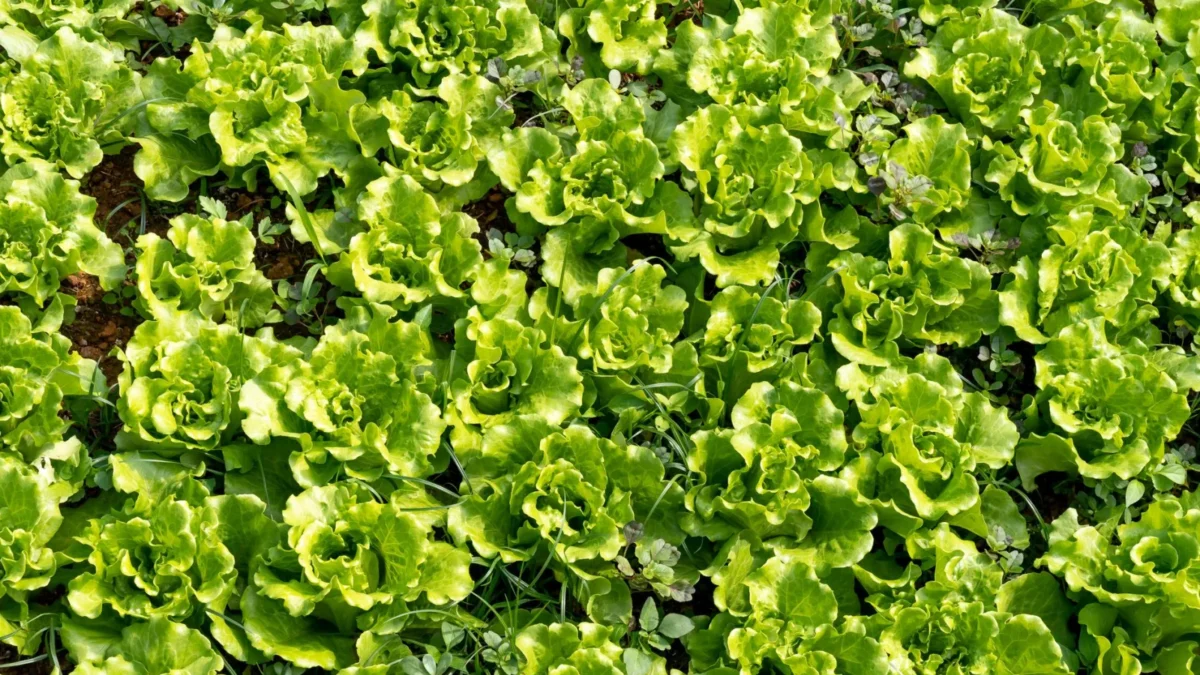
Quick answer: Wilted lettuce usually needs immediate watering—check that soil is moist but not waterlogged, move the plant to afternoon shade if temperatures exceed 24°C (75°F), and inspect roots for rot or pest damage. Most wilted lettuce recovers within hours of proper watering, but root problems require different fixes.
| Botanical name | Lactuca sativa |
|---|---|
| Light | Full sun to part shade; summer crops benefit from some shade to prevent bolting |
| Watering | Consistent moisture; water when soil is dry, ideally early morning; avoid evening watering |
| Humidity | Relatively low humidity around 40-60%; high humidity promotes fungal diseases |
| Temperature | 10-20°C (50-68°F) ideal; above 24°C (75°F) causes rapid bolting |
| Soil | Fertile, well-composted, medium moisture, well-drained; pH 6.0-6.8; loamy mix with 30-40% mature compost |
| Feeding | 10-10-10 complete fertilizer at 2 lbs per 100 sq ft before planting; side-dress at 1 lb per 25 ft row when 4 in tall; co |
| Size | 0.50 to 1.00 feet height and spread |
| Difficulty | easy |
Why lettuce wilts and what’s really happening
Lettuce wilts for three main reasons: underwatering, overheating, or root damage. Because lettuce’s shallow horizontal roots close to the soil surface absorb nearly all the water and nutrients the plant uses, even brief dry spells trigger drooping leaves. Heat accelerates this problem—above 24°C (75°F), the plant becomes stressed and prone to wilting.
The difference between drought stress and other problems matters. Water when the soil is dry, ideally early in the morning. Soil should stay consistently moist but never saturated. If soil is bone-dry, that’s the culprit. If soil is wet and the plant still wilts, root rot or root aphids are likely.
How to revive wilted lettuce right now
-
Feel the soil 2-3 inches deep. If it’s dry, water immediately. Plants perform best with consistent watering throughout the growing season.
-
If temperature is above 24°C (75°F), move leaves to some light shade to prevent further heat stress. Leaves appreciate light shade in the heat of summer.
-
Check for root rot. Dig gently around the base— look for slimy, decaying roots and a foul odor. If roots smell bad and feel mushy, the soil is too wet. Remove the plant, let roots dry slightly, and replant in fresh, well-draining soil.
-
Watch for root aphids, especially if the plant is older and wilts suddenly mid- to late summer. You may not see the aphids, as they attack roots, but you may see ants around the plants, as they feed on honeydew. Keep lettuce well-watered to manage root aphid damage.
Preventing wilting and keeping lettuce thriving
Consistent moisture is the foundation. Don’t let soil dry up completely, especially when it’s hot outside, or leaves may turn bitter. Water ideally early in the morning rather than evening— evening watering attracts slugs and snails and encourages fungal diseases.
Plant in fertile, moisture-retentive soil. Use a loamy mix with 30-40% mature compost for rapid, tender growth. Lettuce grows best in fertile, well-composted, medium moisture, well-drained soils.
Give summer crops shade. Summer crops are best given shade to slow bolting and prevent leaves from becoming bitter. Lettuce thrives in full sun to part shade, but afternoon shade keeps temperatures lower when heat is intense.
Why does my lettuce wilt even when soil is wet?
Root rot suffocates roots, stopping water and nutrient uptake even though soil is moist. Poor drainage or overwatering causes this. Replant in fresh, drier soil and reduce watering frequency slightly— care should be taken to avoid over-watering, which can lead to root rot.
Can wilted lettuce recover?
Yes, if wilting is from drought, the plant usually recovers within hours of proper watering. If roots are rotted or heavily infested with root aphids, the plant often cannot be saved and should be removed.
Read the full guide: Lettuce Care: The Complete Guide
Was this article helpful?
More about Lettuce
The same problem in other plants
- Why Are My Carrot Seedlings Drooping?
- Why Bell Peppers Are Drooping or Wilting
- Why Are My Zucchini Leaves Drooping or Wilting?
- Why Are My Cucumber Leaves Drooping or Wilting?
Sources
- Lactuca sativa – Plant Finder
- How to Care for garden lettuce (Lactuca sativa)
- Lactuca sativa 'Salad Bowl'
Photo: Quang Nguyen Vinh / Pexels, Pexels