
Lettuce Lactuca sativa
Brown Spots on Lettuce Leaves: What They Mean and How to Fix It
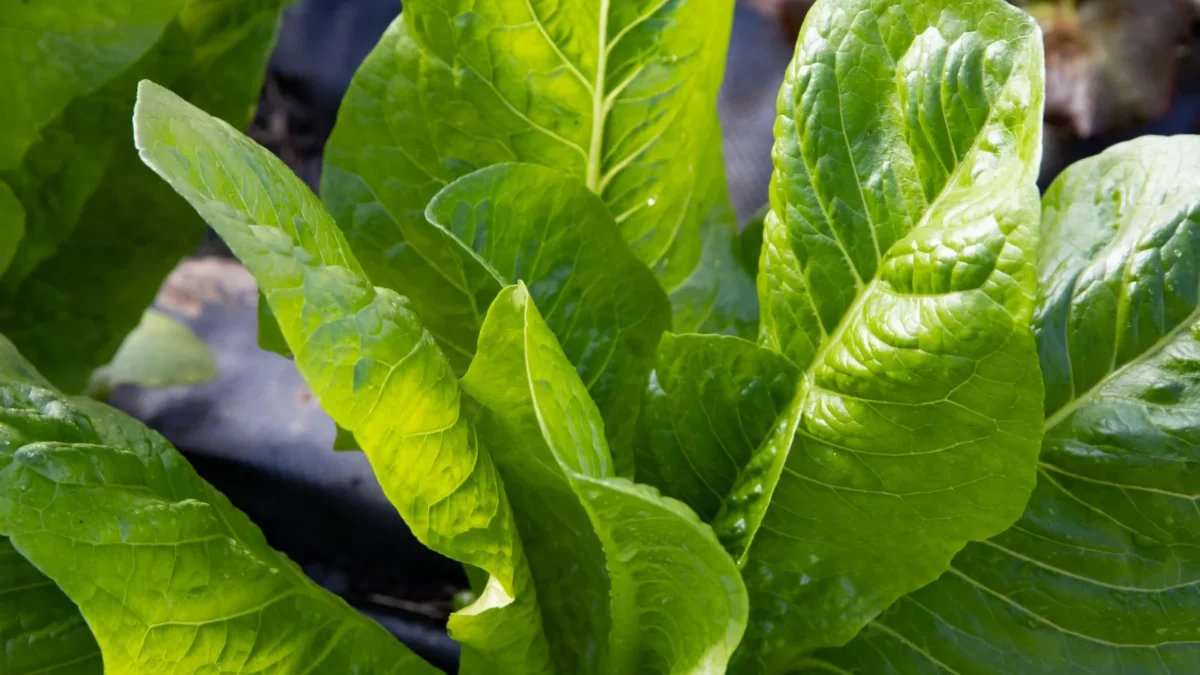
Quick answer: Brown spots on lettuce usually signal fungal disease, nutrient stress, water damage, or bottom rot. Identifying which one is happening tells you exactly what to fix.
| Botanical name | Lactuca sativa |
|---|---|
| Light | Full sun to part shade; summer crops benefit from some shade to prevent bolting |
| Watering | Consistent moisture; water when soil is dry, ideally early morning; avoid evening watering |
| Humidity | Relatively low humidity around 40-60%; high humidity promotes fungal diseases |
| Temperature | 10-20°C (50-68°F) ideal; above 24°C (75°F) causes rapid bolting |
| Soil | Fertile, well-composted, medium moisture, well-drained; pH 6.0-6.8; loamy mix with 30-40% mature compost |
| Feeding | 10-10-10 complete fertilizer at 2 lbs per 100 sq ft before planting; side-dress at 1 lb per 25 ft row when 4 in tall; co |
| Size | 0.50 to 1.00 feet height and spread |
| Difficulty | easy |
Common causes of brown spots on lettuce
Fungal and fungus-like diseases top the list. Downy mildew produces yellow patches alongside fuzzy white mould on leaves, and it strikes hardest when plants are overcrowded and in wet autumn weather. Bottom rot, caused by Rhizoctonia solani, starts with rusty brown patches on the oldest leaves around heading stage, then travels up the midribs and stems as the plant collapses. Humid conditions are the main driver of fungal diseases, though lettuce prefers relatively low humidity around 40–60%.
Water issues create their own brown spots. Overwatering saturates the soil; soggy soil suffocates roots and creates the foul smell and slimy decay of root rot. Even inconsistent watering stresses the plant. Leaf tips often brown from heat stress, low humidity, or excess fertilizer salts.
Nutrient imbalance, especially nitrogen deficiency, yellows older leaves first rather than producing distinct brown spots, so this is less likely if you see true browning. However, applying too much fertilizer can burn leaf edges brown.
How to tell the causes apart and what to do
Downy mildew appears as yellow patches with white fuzz underneath; it needs urgently improved air flow. Space plants further apart during thinning, thin to 15 cm (6 in) apart as they grow, and avoid watering in the evening, as dampness encourages fungal diseases. Remove affected leaves and don’t work wet plants.
Bottom rot shows rusty brown patches only on the oldest bottom leaves, progressively worsening upward. This signals poor drainage or overwatering. Lettuce plants perform best with consistent watering throughout the growing season, and water when the soil is dry, ideally early in the morning. Soil should stay consistently moist but never saturated. If the problem is severe, remove the affected plant to prevent spores spreading.
Heat or fertilizer burn browns just the leaf tips and edges, especially in hot weather. Harvest outer leaves promptly and keep soil consistently moist but not waterlogged to prevent further damage. Leaves appreciate some light shade in the heat of the summer to slow browning.
Root rot from waterlogging causes overall wilting and browning. Check for the telltale foul smell, then improve drainage immediately by amending the soil or switching to containers with drainage holes.
FAQ
What causes brown spots inside lettuce heads?
Brown spots inside heads are usually bottom rot or rust from handling; they develop as the plant matures in cool, wet conditions. Harvest heads earlier to avoid advanced rot, and don’t let the soil dry up completely, especially when it’s hot outside, as this increases bitterness and stress.
Can I still eat lettuce with brown spots?
Small surface spots from minor fungal infection are safe to remove and eat the rest. If the entire head is mushy or the smell is unpleasant, discard it—these are signs of advanced rot.
How do I prevent brown spots?
Regular watering is essential to maintain soil moisture, but care should be taken to avoid over-watering. Water early morning only. Space plants adequately for air flow, choose a site with full sun to part shade, and give leaves some light shade in summer heat. Lettuce grows best in fertile, well-composted, medium moisture, well-drained soils—invest in good drainage from the start.
Read the full guide: Lettuce Care: The Complete Guide
Was this article helpful?
More about Lettuce
The same problem in other plants
- Why Do My Carrots Have Brown Spots?
- Why Are My Zucchini Leaves Turning White?
- Why Are My Cucumber Leaves Turning White?
- Why Does My Tomato Have Brown Spots on Leaves?
Sources
- Lactuca sativa – Plant Finder
- Lettuce – Care Guide, Growing Tips & Plant Information
- How to grow lettuces
Photo: Mark Stebnicki / Pexels, Pexels