
Lettuce Lactuca sativa
Lettuce Care: The Complete Guide to Growing Crisp, Tender Leaves
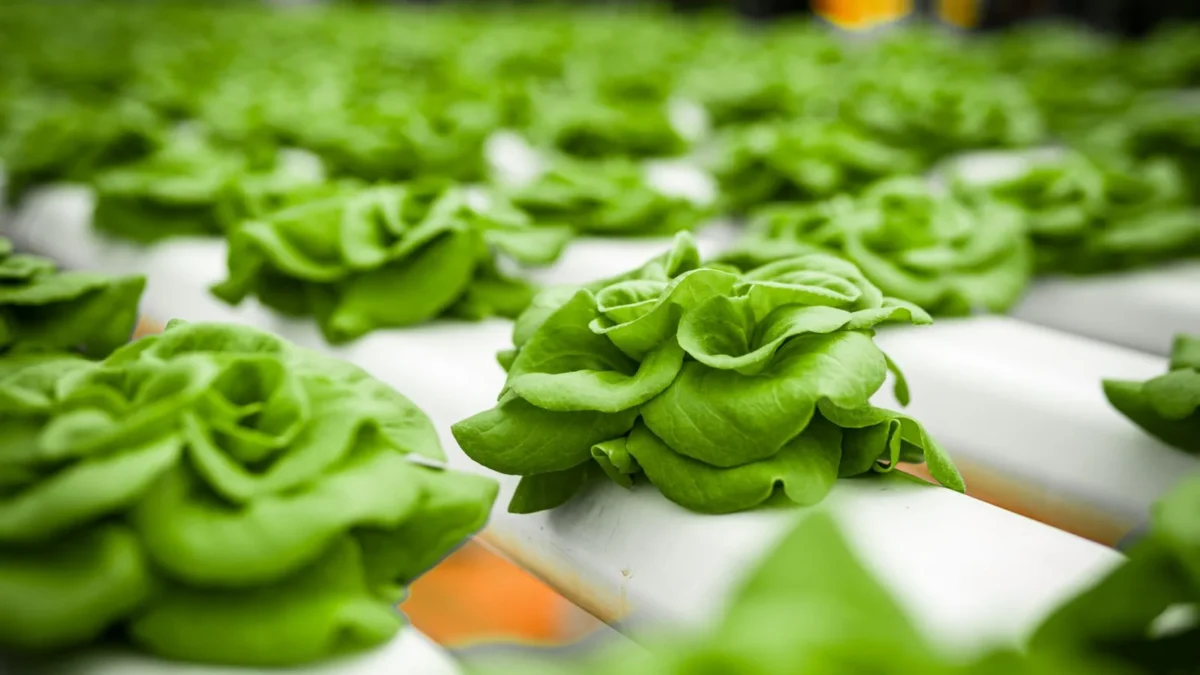
Lettuce care centers on three essentials: keeping the soil consistently moist (but not waterlogged), protecting plants from heat that triggers bolting, and providing enough light without overwhelming them in summer. This fast-growing cool-season crop is straightforward to grow in garden beds or containers, but its sensitivity to heat and inconsistent moisture is what separates a crisp harvest from bitter, bolted plants. Understanding these core needs and the mistakes that derail most growers will give you success from spring through autumn.
| Botanical name | Lactuca sativa |
|---|---|
| Light | Full sun to part shade; summer crops benefit from some shade to prevent bolting |
| Watering | Consistent moisture; water when soil is dry, ideally early morning; avoid evening watering |
| Humidity | Relatively low humidity around 40-60%; high humidity promotes fungal diseases |
| Temperature | 10-20°C (50-68°F) ideal; above 24°C (75°F) causes rapid bolting |
| Soil | Fertile, well-composted, medium moisture, well-drained; pH 6.0-6.8; loamy mix with 30-40% mature compost |
| Feeding | 10-10-10 complete fertilizer at 2 lbs per 100 sq ft before planting; side-dress at 1 lb per 25 ft row when 4 in tall; co |
| Size | 0.50 to 1.00 feet height and spread |
| Difficulty | easy |
Key points:
– Plant lettuce in cool seasons (spring and fall) or give summer crops afternoon shade to prevent bolting
– Water consistently in the morning; dry soil causes both bitter leaves and increased pest pressure
– Soil must be fertile and well-composted—poor soil dries out and triggers bolting
– Thin seedlings to 6 inches apart; overcrowding invites fungal disease
– Nitrogen deficiency causes stunted growth and yellowing leaves; apply fertilizer at planting and again when plants reach 4 inches tall
– Harvest outer leaves progressively or cut whole heads before the plant flowers
When to Plant Lettuce and Seasonal Timing
Lettuce is an annual, so each season requires new plantings. The key to growing lettuce successfully is timing around cool weather. Sow seeds in early spring or fall when temperatures are cool but frost risk is low. For rapid, uniform germination in 7–14 days, provide 60–70°F soil, consistent moisture, and bright light.
To keep harvests flowing, don’t plant the entire row at once. Instead, sow a short row every two to three weeks to ensure continuous cropping.
Temperature is the trigger for bolting. Lettuce prefers 10–20°C (50–68°F); above 24°C (75°F), rapid bolting limits open-field summer production. If you want to grow lettuce in summer, ideally keep plants at 61–64°F (16–18°C). The challenge is that heat and long days trigger bolting, often made worse by dry soil. This is why summer sowings need partial shade and extra attention to watering.
Light Requirements for Lettuce
Lettuce thrives in full sun to part shade. The specific amount depends on the season. Lettuce needs at least 5–6 hours of sun, but filtered light works best in hot climates. For indoor plants, aim for 6 to 8 hours of direct sun or 12 to 16 hours under a grow light.
In summer, adjust your strategy. Leaves appreciate some light shade in the heat of the summer. Summer crops are best given a position with some shade in order to slow down the plants’ tendency to go to seed and to prevent the leaves becoming bitter.
Insufficient light produces pale, weak growth. If plants are receiving too little light, lettuce leaves will turn yellow. Poor light is a common cause when growing in shade or indoors without supplementary lighting.
Watering Lettuce Correctly
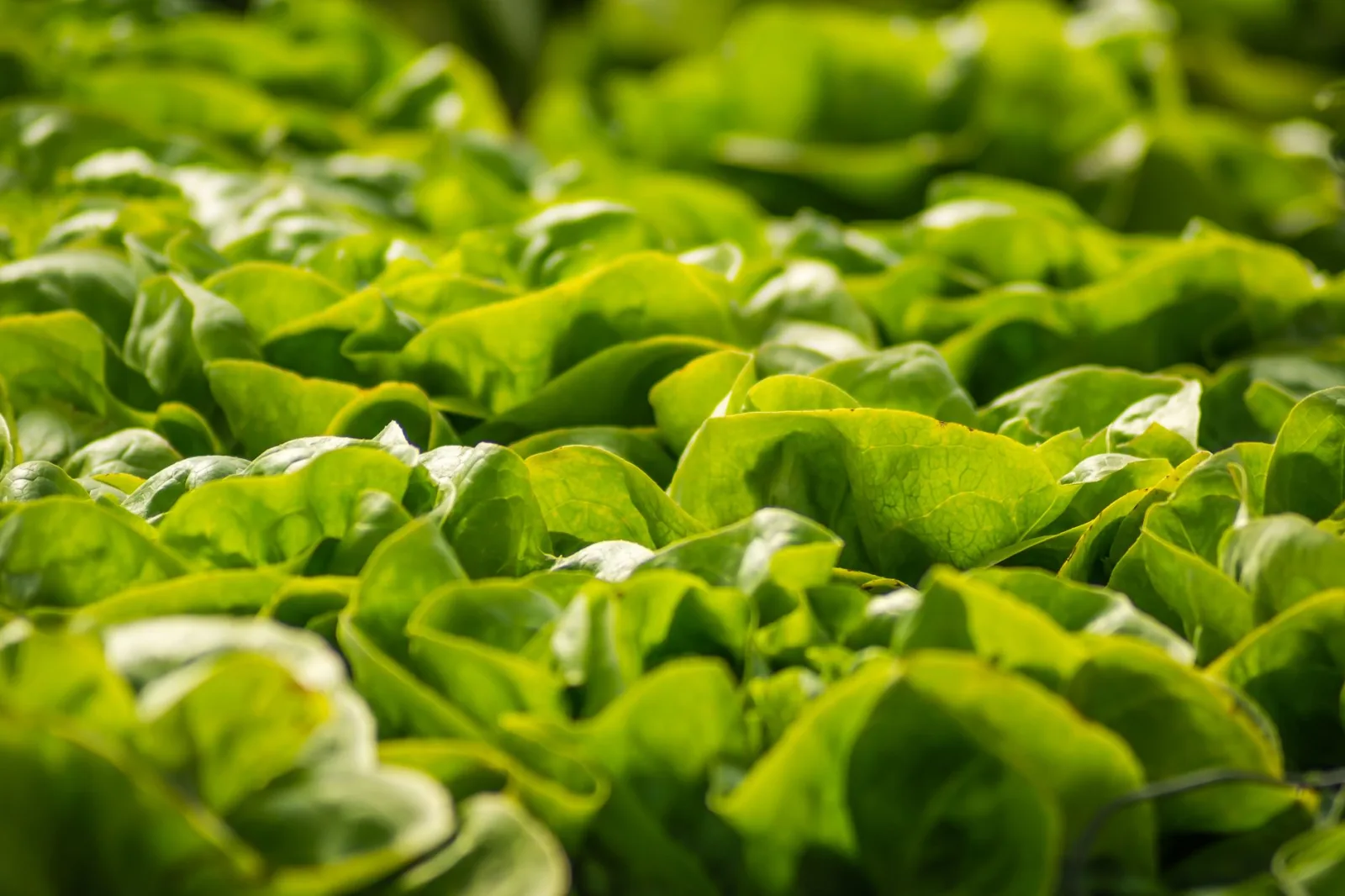
Consistent moisture is non-negotiable for healthy lettuce. Plants perform best with consistent watering throughout the growing season. The balance matters: watering should keep soil consistently moist but never saturated for healthy lettuce growth.
Water when the soil is dry, ideally early in the morning. Try to avoid watering in the evening, as the dampness can attract slugs and snails overnight, as well as encourage fungal diseases such as grey mould.
Two common watering mistakes sabotage lettuce:
Letting soil dry out causes multiple problems at once. Although lettuce may form a long taproot, the smaller horizontal roots close to the surface absorb nearly all the water and nutrients used by the plant; if the soil becomes dry or is low in nutrients, the plants will struggle to grow and their quality will be poor. Don’t let the soil dry up completely, especially when it’s hot outside, or the leaves may turn bitter to the taste. Dry conditions also worsen pest pressure from root aphids, which attack when plants are stressed.
Overwatering is equally damaging. Overwatering can cause lettuce leaves to turn yellow; overwatering will wash nitrogen out of the soil and away from the roots, and nitrogen is essential for lettuce leaves and to prevent leaf yellowing. Regular watering is essential to maintain soil moisture, but care should be taken to avoid over-watering, which can lead to root rot. Soggy soil suffocates the roots, preventing them from absorbing essential nutrients; look for signs of root rot, a common consequence of overwatering, which can be identified by a foul odor and slimy, decaying roots.
The target is a soil that feels like a wrung-out sponge: moist when you squeeze it, but no water drips out.
Soil Selection and Spacing
Lettuce has shallow root systems. Although lettuce may form a long taproot, the smaller horizontal roots close to the surface absorb nearly all the water and nutrients used by the plant. This means soil quality directly affects both growth speed and leaf quality.
Lettuce grows best in fertile, well-composted, medium moisture, well-drained soils. Use a loamy mix with high organic matter, such as garden soil blended with 30–40% mature compost. The best pH range for lettuce is between 6.0 and 6.8. Lettuce succeeds in most well-drained, humus-rich soils but dislikes acid conditions.
If your garden soil is very acidic or alkaline, consider raised beds, containers or improving the pH of your soil. Poor, depleted soil creates problems: poor soil dries out in summer, leading to the risk of bolting (running to seed rather than forming heads).
Spacing
Seedlings usually appear in 7–14 days and should be thinned to 15 cm (6 in) apart as they grow. This spacing is crucial because overcrowding reduces air circulation and creates humid microclimates that invite fungal disease. Lettuce downy mildew can be a problem when plants are overcrowded and in wet weather in autumn.
Fertilizing Lettuce for Best Growth
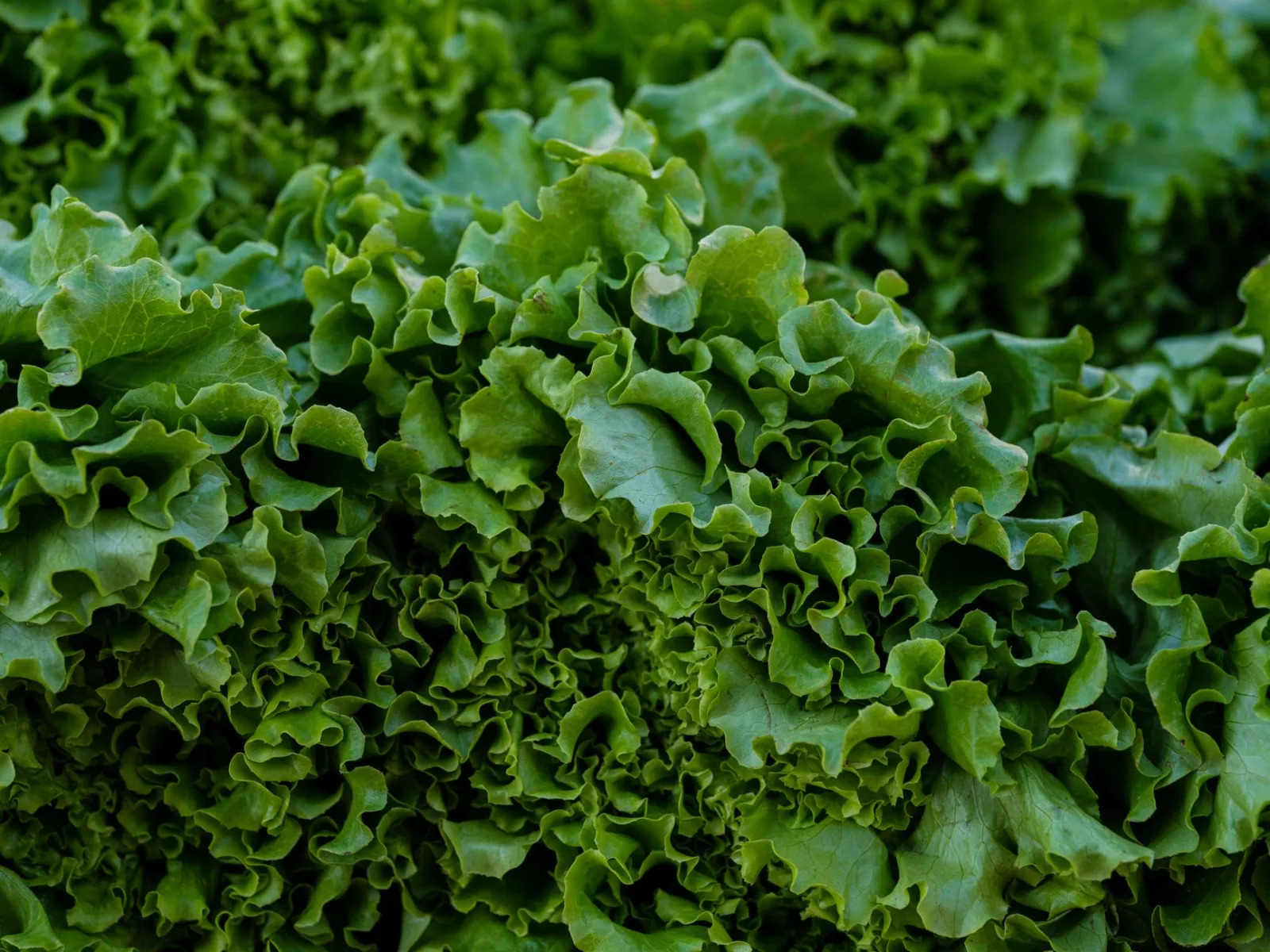
Nitrogen deficiency is the most common nutrient problem in lettuce. Nitrogen deficiency is the most common cause of stunted growth; plants get pale overall and older leaves yellow first, growth slows. When the plant runs out of nitrogen, it steals the nitrogen from the oldest bottom leaves and moves it to the newest top leaves to keep growing.
Prevent deficiency with strategic fertilizing. Use a complete fertilizer such as a 10–10–10, at the rate of two pounds per 100 square feet; when the plants are about four inches tall, apply a side-dressing of the same fertilizer at a rate of one pound for each 25 feet of row.
For container-grown lettuce, lettuces don’t usually need feeding, but if you grow them in a container, you can apply a general-purpose organic liquid feed fortnightly through the summer. This supplemental feeding compensates for nutrients that leach from container soil with frequent watering.
If yellowing appears mid-season and you’ve missed the initial applications, a short-term fix for nitrogen deficiency is to apply nitrogen-rich fertilisers according to label instructions, such as poultry manure pellets.
Common Lettuce Problems: Pests, Diseases, and Nutrient Issues
Yellowing and Pale Leaves
Yellow or pale lettuce leaves signal three possible causes. The most common is nitrogen deficiency, which shows as yellowing of the oldest leaves first while newer growth stays green. Overwatering that leaches nitrogen from soil, or simply insufficient light, also cause paleness. If nitrogen deficiency is the problem, apply a nitrogen-rich fertilizer promptly. If overwatering is the culprit, let soil dry slightly between waterings. For insufficient light, move plants to a brighter location or add supplementary lighting.
Bolting and Bitter Leaves
Lettuce is a fast-growing cool-season annual; it is harvested before flowering because heat encourages bolting, which makes the leaves bitter. Heat and long days trigger bolting, often made worse by dry soil. The white latex that appears in bolted plants is simply bitter; the white latex in bolted plants is simply bitter, with no notable toxicity.
To delay bolting, maintain consistent soil moisture, provide afternoon shade in summer, and choose bolt-resistant varieties for warm-season growing. Harvest early and often; removing outer leaves encourages the plant to keep producing rather than rushing to flower.
Leaf Tip Burn
Leaf tips often brown from heat stress, low humidity, or excess fertilizer salts; harvest outer leaves promptly and keep soil consistently moist but not waterlogged to prevent further tissue damage and bitterness. Humidity plays a minor role for lettuce, which mainly depends on soil moisture and cool temperatures; target ambient humidity around 40–60% to reduce leaf edge browning in hot, dry weather.
Root Aphids
Lettuce root aphid: older plants suddenly wilt and die back, usually in mid- to late summer; you may not see the aphids, as they attack the roots, not leaves, but you may see lots of ants around the plants, as they feed on the honeydew that the aphids produce. The damage is worse in dry conditions, so maintain consistent soil moisture to help plants resist stress.
Downy Mildew
Lettuce downy mildew is a disease caused by a fungus-like (Oomycete) organism, producing yellow patches and fuzzy white mould on leaves. Lettuce downy mildew can be a problem when plants are overcrowded and in wet weather in autumn. Prevent it by spacing plants adequately to allow air circulation, watering in the morning only, and removing affected leaves promptly.
Bottom Rot
Rhizoctonia solani, one of the pathogens responsible for damping off, can also cause issues for older lettuce plants, bottom rot; bottom rot starts on the oldest leaves, causing rusty brown patches on the oldest leaves, often around the time the plants reach the heading stage, and it will then move up the leaves and midribs, and finally the stems as the entire plant collapse. This disease is linked to excess moisture and poor drainage. Improve drainage, avoid watering foliage, and thin plants for better air flow.
Damping Off in Seedlings
Damping off is a common problem in seedlings sown indoors. To prevent damping off: transplant or direct seed when soils are warm, as this will speed growth, allowing for speedy germination and establishment of plants, getting them out of the life stage where damping off pathogens can kill the plant.
Other Pests and Diseases
Potential insect pests include aphids, snails, slugs, leafminers and whiteflies. Lettuce is attractive to various garden creatures, including slugs and snails, aphids and cutworms; dense weeds can also offer hiding places for slugs and snails, and reduce air circulation, which can encourage fungal diseases such as grey mould. Potential disease problems include downy mildew, powdery mildew, shot hole, bottom rot, septoria leaf spot, Botrytis and wilt. Keep the garden tidy, avoid evening watering, and maintain adequate spacing to minimize these issues.
Harvesting Lettuce at Peak Freshness
Lettuce is ready to harvest as soon as the leaves are large enough to eat. You don’t need to wait for a mature head. Snip off just a few outer leaves from each plant, rather than all of them, leaving the inner leaves to grow, for picking in a few weeks. This method, called the “cut-and-come-again” technique, keeps the plant productive for weeks.
If you prefer whole heads, lettuce is harvested before flowering because heat encourages bolting, which makes the leaves bitter. The earlier you harvest, the milder and more tender the leaves. Some loose-leaf varieties are especially productive this way: deeply-lobed leaves are borne in profusion from a loose heart, so you can harvest the outer leaves over several weeks and it will continue producing more.
FAQ
How much light does lettuce need?
Lettuce needs at least 5–6 hours of sun, but filtered light works best in hot climates. In summer, give plants afternoon shade to slow bolting. For indoor plants, aim for 6 to 8 hours of direct sun or 12 to 16 hours under a grow light.
What is the best soil for lettuce?
Use a loamy mix with high organic matter, such as garden soil blended with 30–40% mature compost. The best pH range for lettuce is between 6.0 and 6.8.
What temperature does lettuce prefer?
Lettuce prefers 10–20°C (50–68°F); above 24°C (75°F), rapid bolting limits open-field summer production. To avoid bolting, ideally keep your lettuce plant at 61–64°F (16–18°C).
Is lettuce toxic to pets?
The ASPCA lists lettuce as non-toxic to cats and dogs and horses. The white latex in bolted plants is simply bitter, with no notable toxicity.
How often should I water lettuce?
Water when the soil is dry, ideally early in the morning. Watering should keep soil consistently moist but never saturated for healthy lettuce growth.
When should I harvest lettuce?
Lettuce is harvested before flowering because heat encourages bolting, which makes the leaves bitter. Begin harvesting outer leaves as soon as they’re large enough, or wait for a mature head and cut it at the base.
Was this article helpful?
More about Lettuce
Sources
- Lactuca sativa – Plant Finder
- Lettuce (Lactuca sativa): origin and uses
- Growing lettuce, endive and radicchio in home gardens
Photo: Jonathan Vincent / Pexels, Pexels