
Lettuce Lactuca sativa
Why Is My Lettuce Not Growing: Causes and Fixes
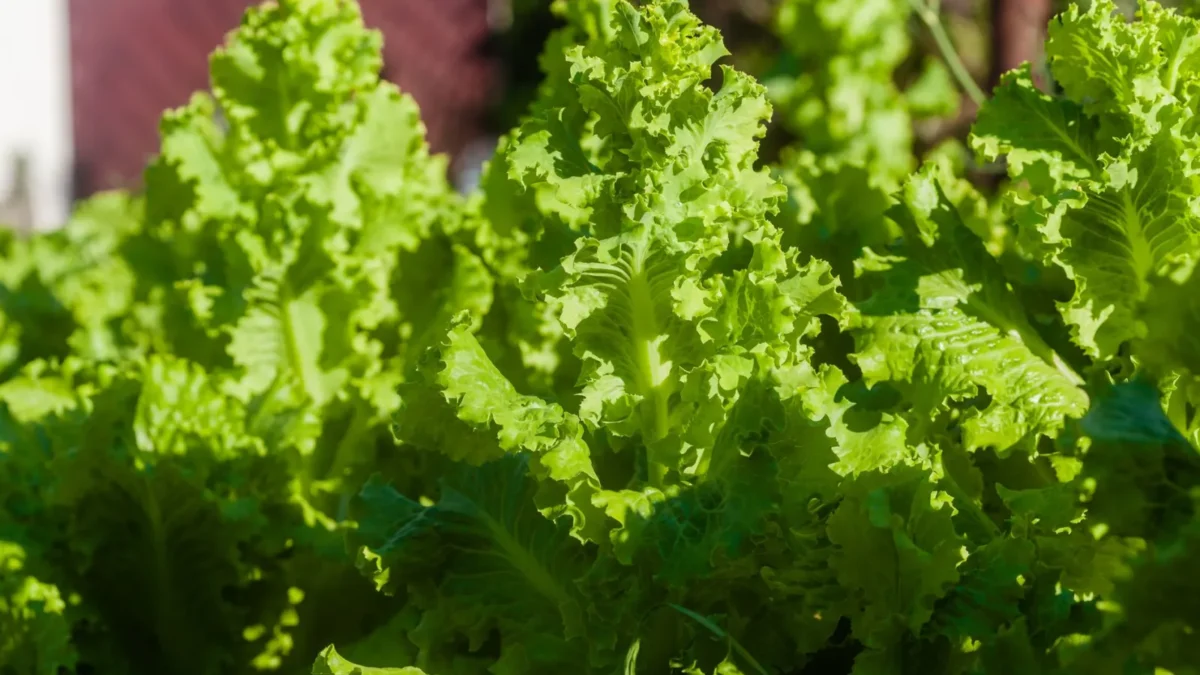
Quick answer: Lettuce not growing usually means temperature is too high, soil is waterlogged or bone-dry, light is insufficient, or nitrogen is depleted. Cool soil with consistent moisture, good drainage, and bright sun resolve most problems.
| Botanical name | Lactuca sativa |
|---|---|
| Light | Full sun to part shade; summer crops benefit from some shade to prevent bolting |
| Watering | Consistent moisture; water when soil is dry, ideally early morning; avoid evening watering |
| Humidity | Relatively low humidity around 40-60%; high humidity promotes fungal diseases |
| Temperature | 10-20°C (50-68°F) ideal; above 24°C (75°F) causes rapid bolting |
| Soil | Fertile, well-composted, medium moisture, well-drained; pH 6.0-6.8; loamy mix with 30-40% mature compost |
| Feeding | 10-10-10 complete fertilizer at 2 lbs per 100 sq ft before planting; side-dress at 1 lb per 25 ft row when 4 in tall; co |
| Size | 0.50 to 1.00 feet height and spread |
| Difficulty | easy |
Temperature and Heat Stress
The single biggest reason lettuce stops growing is heat. This cool-season crop simply shuts down when it gets warm, even if everything else is perfect.
Above 24°C (75°F), your lettuce will bolt—racing toward flowering instead of building leaves. It’s not just slowing growth; it’s abandoning leaf production altogether. Lettuce grows best in cool weather, ideally between 10–20°C (50–68°F).
If summer temperatures are unavoidable, summer crops are best given a position with some shade in order to slow down the plants’ tendency to go to seed. Even dappled afternoon shade helps. The hotter the air, the more shade helps, and don’t let the soil dry up completely, especially when it’s hot outside, or the leaves may turn bitter.
Light and Soil Moisture Issues
Lettuce needs good light and consistent water—its shallow root system relies on both. Lettuce thrives in full sun to part shade, but low light makes leaves pale; aim for 6 to 8 hours of direct sun for outdoor plants. Without it, leaves yellow and growth stalls.
Watering is trickier than it seems because both extremes damage growth:
Underwatering dries out the shallow roots. Although lettuce may form a long taproot, the smaller horizontal roots close to the surface absorb nearly all the water and nutrients used by the plant; if the soil becomes dry or is low in nutrients, the plants will struggle to grow and their quality will be poor. Don’t let the soil dry up completely, especially when it’s hot outside, or the leaves may turn bitter.
Overwatering suffocates roots and leaches nitrogen. Soggy soil suffocates the roots, preventing them from absorbing essential nutrients. Overwatering will wash nitrogen out of the soil and away from the roots. Water when the soil is dry, ideally early in the morning, and keep soil consistently moist but never saturated.
Nutrient Deficiency
Nitrogen deficiency is the most common cause of stunted growth; plants get pale overall and older leaves yellow first, growth slows. This happens because when the plant runs out of nitrogen, it steals the nitrogen from the oldest bottom leaves and moves it to the newest top leaves to keep growing.
Before planting, use a complete fertilizer such as a 10-10-10, at the rate of two pounds per 100 square feet. When plants are about 4 inches tall, apply a side-dressing of the same fertilizer at a rate of one pound for each 25 feet of row. For container lettuce, you can apply a general-purpose organic liquid feed fortnightly through the summer.
If yellowing appears mid-season, apply nitrogen-rich fertilisers according to label instructions, such as poultry manure pellets.
Soil Quality and Root Problems
Lettuce grows best in fertile, well-composted, medium moisture, well-drained soils. Poor soil is at the heart of most growth problems. Use a loamy mix with high organic matter, such as garden soil blended with 30–40% mature compost. The best pH range for lettuce is between 6.0 and 6.8.
Root problems develop silently. Lettuce root aphid causes older plants to suddenly wilt and die back, usually in mid- to late summer; you may see lots of ants around the plants. The damage is worse in dry conditions, so keep lettuce well-watered. If you notice a foul smell when you pull the plant, look for signs of root rot: slimy, decaying roots.
Prevention
The best approach is matching the season to the crop. Sow lettuce seeds in early spring or fall when temperatures are cool but frost risk is low. Make sowings every 2–3 weeks to ensure a constant supply of leaves through the growing season, so you harvest before summer heat arrives. Space seedlings properly— seedlings should be thinned to 15cm (6 in) apart as they grow—and avoid watering in the evening, as the dampness can attract slugs and snails overnight, as well as encourage fungal diseases.
Read the full guide: Lettuce Care: The Complete Guide
Was this article helpful?
More about Lettuce
The same problem in other plants
- Why Are My Carrots Not Growing Long?
- Why Your Bell Pepper Plant Is Not Growing and How to Fix It
- Zucchini Not Growing? Troubleshoot Slow Growth and Leggy Plants
- Why Are My Basil Leaves So Small?
Sources
- Growing lettuce, endive and radicchio in home gardens
- Lactuca sativa – Plant Finder
- Why Are My Lettuce Turning Yellow? 8 Causes And Simple Fixes – GardenWired
Photo: Julia Filirovska / Pexels, Pexels