
Lettuce Lactuca sativa
Lettuce Spacing and Planting Distance: Get it Right for Healthy Heads
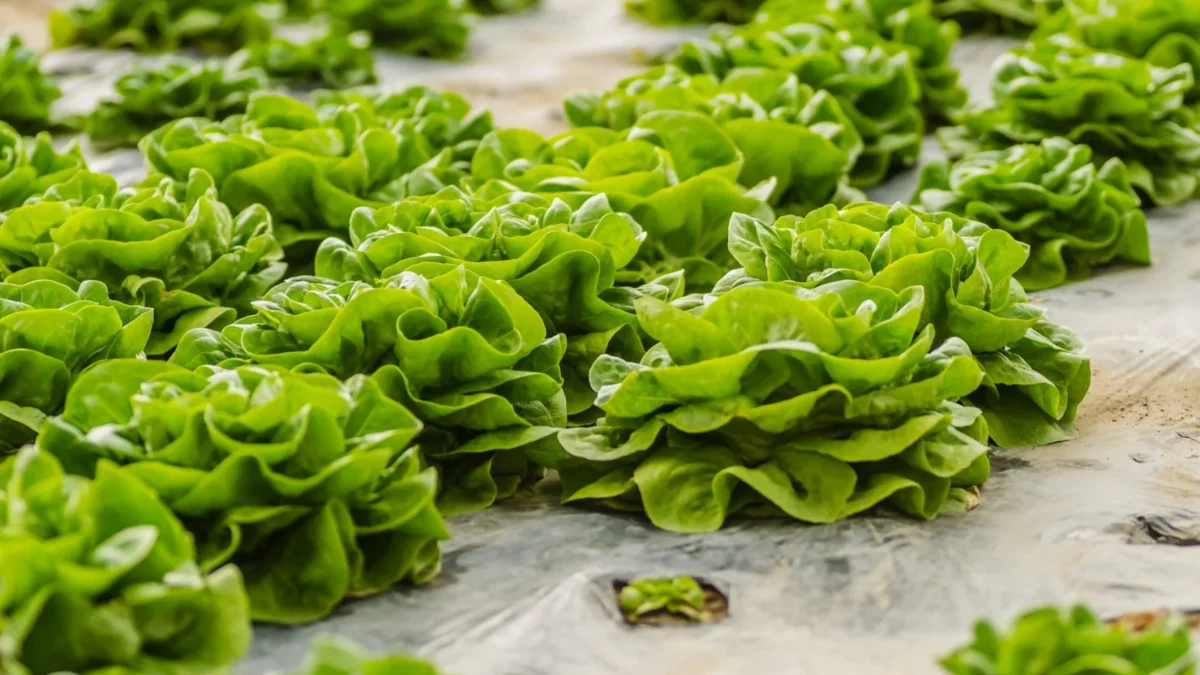
Quick answer: Space lettuce 6 inches (15 cm) apart in all directions for best growth. Tighter spacing works for leaf varieties in containers, but closer plants increase disease risk—space further apart in humid conditions or during wet seasons.
| Botanical name | Lactuca sativa |
|---|---|
| Light | Full sun to part shade; summer crops benefit from some shade to prevent bolting |
| Watering | Consistent moisture; water when soil is dry, ideally early morning; avoid evening watering |
| Humidity | Relatively low humidity around 40-60%; high humidity promotes fungal diseases |
| Temperature | 10-20°C (50-68°F) ideal; above 24°C (75°F) causes rapid bolting |
| Soil | Fertile, well-composted, medium moisture, well-drained; pH 6.0-6.8; loamy mix with 30-40% mature compost |
| Feeding | 10-10-10 complete fertilizer at 2 lbs per 100 sq ft before planting; side-dress at 1 lb per 25 ft row when 4 in tall; co |
| Size | 0.50 to 1.00 feet height and spread |
| Difficulty | easy |
Why spacing matters for lettuce
Lettuce needs room to develop properly. Each plant grows to roughly 0.5 to 1 foot in height and spread, so cramped spacing stunts leaves and invites trouble. When plants are too close together, air can’t flow between them, creating pockets of damp air that fungal diseases love. Downy mildew thrives exactly in these conditions—overcrowded plants in wet weather are the classic setup for leaf spotting and fuzzy mold.
Undercutting space also means competing roots and leaves fighting for nutrients and water. Since lettuce’s shallow horizontal roots close to the soil surface do most of the absorption, crowding means some plants struggle while others steal resources. Poor root access leads to stunted growth and poor quality leaves.
Spacing guidelines for different setups
The standard is 6 inches (15 cm) apart. Thin seedlings to this distance as they grow, and they’ll develop full, tender heads with room for air to move.
In raised beds or containers, you have more control over conditions. Cos lettuce has a compact, upright habit and tolerates closer spacing than loose-leaf types, so you can plant cos varieties at 4–5 inches apart if your bed drains well and you’re not in a humid region. Loose-leaf and butterhead varieties need the full 6 inches to avoid fungal problems.
During autumn or in naturally humid areas, increase spacing slightly—8 inches is safer—to maximize air circulation. The bigger gap becomes especially important when plants are overcrowded and wet weather arrives, since that’s when downy mildew and other fungal diseases take hold.
Maintaining spacing through the season
Thin seedlings early. Don’t wait until they’re leggy and competing; remove crowded seedlings as soon as they have their first true leaves. The plants you remove are edible microgreens—no waste.
Water early in the morning, never in the evening. Evening watering leaves foliage damp overnight, attracting slugs and snails while encouraging gray mold and other fungal diseases. Morning moisture dries quickly as the day warms, reducing disease pressure around overcrowded areas.
Keep soil consistently moist, but not waterlogged. Proper spacing allows better air circulation, which helps soil dry slightly between waterings—if your lettuce bed stays perpetually wet, disease will find any crowded plant first.
FAQ
Can I plant lettuce closer in containers?
Yes, slightly closer works for containers, especially with cos varieties. But don’t sacrifice more than an inch per side—the same fungal risks apply, just in a smaller space.
Does poor spacing cause bitter leaves?
Not directly, but it compounds the problem. Crowded plants get stressed, dry out faster when heat hits, and stress triggers bolting and bitterness. Proper spacing keeps plants healthier and more resilient to summer heat.
Should I adjust spacing for different lettuce types?
Loose-leaf and butterhead need the full 6 inches; cos is fine at 4–5 inches because of its compact shape. Avoid experimenting below 4 inches unless you’re growing microgreens and expect to harvest everything young.
Read the full guide: Lettuce Care: The Complete Guide
Was this article helpful?
More about Lettuce
The same problem in other plants
- Best Soil for Growing Carrots
- Best Soil for Bell Peppers: Container and Garden Growing
- How to Grow Zucchini in Containers and Pots
- Zucchini Spacing: How Far Apart to Plant
Sources
Photo: Zoran Milosavljevic / Pexels, Pexels