
Lettuce Lactuca sativa
Lettuce Leaves Turning Yellow: Causes and Fixes
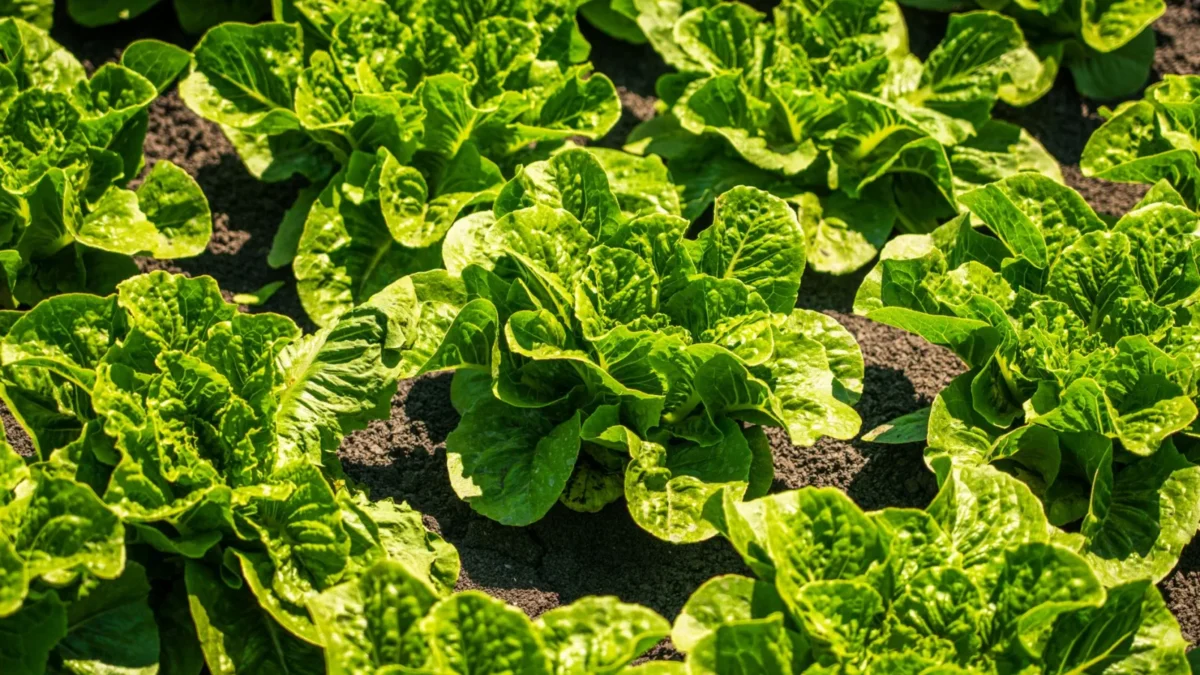
Quick answer: Lettuce turning yellow usually means nitrogen deficiency, overwatering, insufficient light, or cold stress. The good news is that each cause has a straightforward fix, and you can harvest outer leaves while you treat the problem.
| Botanical name | Lactuca sativa |
|---|---|
| Light | Full sun to part shade; summer crops benefit from some shade to prevent bolting |
| Watering | Consistent moisture; water when soil is dry, ideally early morning; avoid evening watering |
| Humidity | Relatively low humidity around 40-60%; high humidity promotes fungal diseases |
| Temperature | 10-20°C (50-68°F) ideal; above 24°C (75°F) causes rapid bolting |
| Soil | Fertile, well-composted, medium moisture, well-drained; pH 6.0-6.8; loamy mix with 30-40% mature compost |
| Feeding | 10-10-10 complete fertilizer at 2 lbs per 100 sq ft before planting; side-dress at 1 lb per 25 ft row when 4 in tall; co |
| Size | 0.50 to 1.00 feet height and spread |
| Difficulty | easy |
Why lettuce leaves turn yellow
Yellow leaves on lettuce signal four main problems, and knowing which one you have means you can act fast.
Nitrogen deficiency is the most common cause. Nitrogen moves around inside the plant—when supplies run low, the plant steals nitrogen from the oldest bottom leaves to feed the newest top growth. This is why older leaves always yellow first. Growth slows noticeably, and the whole plant looks pale. A short-term fix is to apply nitrogen-rich fertilisers according to label instructions, such as poultry manure pellets. For prevention, use a complete 10-10-10 fertilizer at two pounds per 100 square feet before planting, then side-dress at one pound per 25 feet of row when plants are about four inches tall.
Overwatering causes yellowing by washing nitrogen straight out of the soil and away from the roots. Soggy soil suffocates the roots, preventing them from absorbing essential nutrients; look for signs of root rot, which can be identified by a foul odor and slimy, decaying roots. The fix is straightforward: water when the soil is dry, ideally early in the morning. Lettuce plants perform best with consistent watering throughout the growing season, but “consistent” doesn’t mean soggy. Soil should be consistently moist but never saturated for healthy lettuce growth.
Poor light makes leaves pale and yellow. Aim for 6 to 8 hours of direct sun or 12 to 16 hours under a grow light for indoor plants. If you’re growing lettuce indoors or in a shadier spot, inadequate light is likely your culprit.
Cold stress or heat can yellow leaves. Hot weather can cause leaves to yellow and wilt. Lettuce is a cool-season crop; lettuce prefers 10–20 °C (50–68 °F); above 24 °C (75 °F), rapid bolting limits production. In summer, leaves appreciate some light shade in the heat of the summer to slow yellowing and bolting.
Fungal disease causing yellow patches
If you see yellow patches with fuzzy white mould on the undersides of leaves, lettuce downy mildew is the culprit. This can be a problem when plants are overcrowded and in wet weather in autumn. Improve air circulation by thinning plants properly, and avoid watering in the evening, as the dampness can attract slugs and snails overnight, as well as encourage fungal diseases such as grey mould.
Preventing lettuce turning yellow in the fridge and in the garden
Keep the soil consistently moist without waterlogging. Don’t let the soil dry up completely, especially when it’s hot outside, or the leaves may turn bitter to the taste. Don’t let the soil dry up completely, especially when it’s hot outside, or the leaves may turn bitter to the taste. Feed once during the season as described above. For garden crops, summer crops are best given a position with some shade in order to slow down the plants tendency to go to seed and to prevent the leaves becoming bitter.
Stored lettuce yellows from age and ethylene gas from ripening fruit nearby. Keep it in a sealed bag in the crisper, away from apples or tomatoes, and use it within a week of harvest.
FAQ
Why is my lettuce turning yellow in storage?
Lettuces naturally age and yellow after harvest. Keep harvested leaves in a sealed bag in the refrigerator crisper, away from fruit, and use within a week. Store-bought lettuce yellows faster because it’s older before you buy it.
Can I still eat yellow lettuce?
Yellow outer leaves from nitrogen deficiency or age are safe to eat but may taste bitter or have a tougher texture. Leaves yellowing from fungal disease should not be eaten. Discard any leaves with fuzzy mould or patches.
How do I know if it’s the soil or the temperature causing yellowing?
Check soil moisture first—squeeze a handful; it should hold together but not drip. If soil is wet and leaves are still yellow, suspect poor drainage or cold stress. If soil is dry, water properly. Yellow leaves with slow growth in cool weather (below 10°C / 50°F) signal cold stress; move containers to a warmer spot or wait for warmer weather to plant outdoors.
Read the full guide: Lettuce Care: The Complete Guide
Was this article helpful?
More about Lettuce
The same problem in other plants
- Why Are My Strawberry Leaves Turning Yellow?
- Why Are My Carrot Tops Turning Yellow?
- Bell Pepper Leaves Turning Yellow: Causes and Fixes
- Why Are My Zucchini Leaves Turning Yellow?
Sources
- Lactuca sativa – Plant Finder
- Growing lettuce, endive and radicchio in home gardens
- Why Are My Lettuce Turning Yellow? 8 Causes And Simple Fixes – GardenWired
Photo: Mark Stebnicki / Pexels, Pexels