
Lettuce Lactuca sativa
Why My Lettuce Is Dying: Common Causes and Solutions
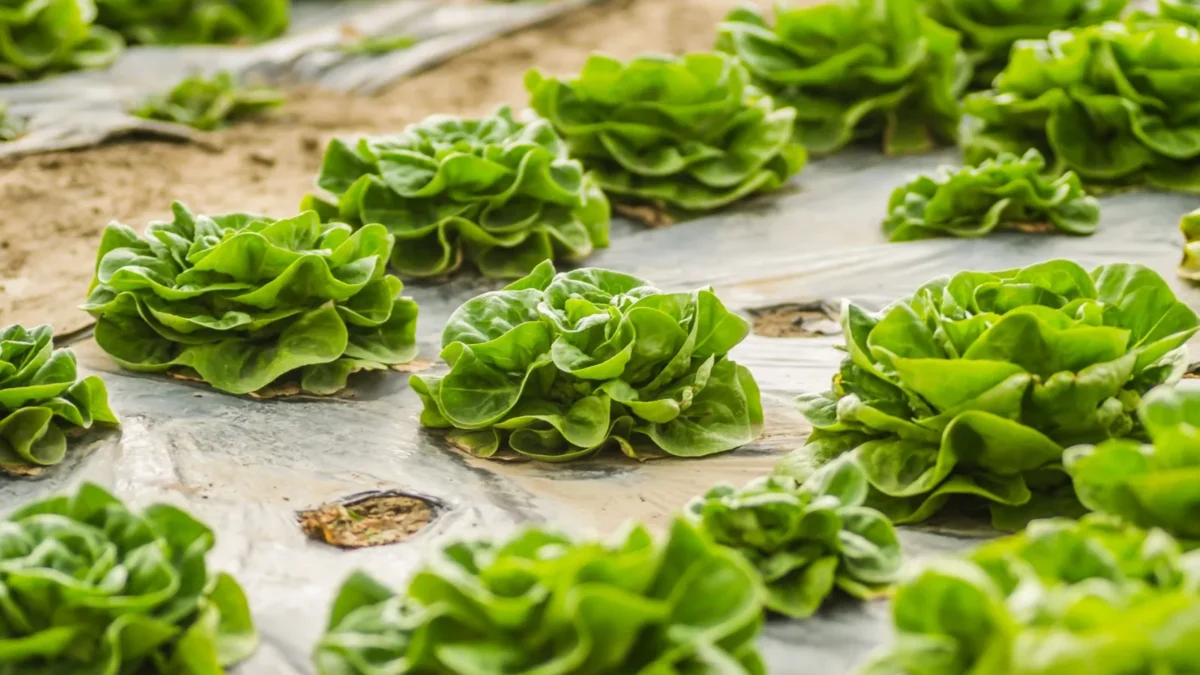
Quick answer: Your lettuce is dying because of heat stress, poor watering, disease, pests, or nitrogen deficiency. The specific cause depends on when and how the problem started—sudden wilting points to pests or root rot, yellowing leaves suggest nutrient loss or overwatering, and browning tips often signal heat stress or inconsistent moisture.
| Botanical name | Lactuca sativa |
|---|---|
| Light | Full sun to part shade; summer crops benefit from some shade to prevent bolting |
| Watering | Consistent moisture; water when soil is dry, ideally early morning; avoid evening watering |
| Humidity | Relatively low humidity around 40-60%; high humidity promotes fungal diseases |
| Temperature | 10-20°C (50-68°F) ideal; above 24°C (75°F) causes rapid bolting |
| Soil | Fertile, well-composted, medium moisture, well-drained; pH 6.0-6.8; loamy mix with 30-40% mature compost |
| Feeding | 10-10-10 complete fertilizer at 2 lbs per 100 sq ft before planting; side-dress at 1 lb per 25 ft row when 4 in tall; co |
| Size | 0.50 to 1.00 feet height and spread |
| Difficulty | easy |
Heat and bolting
The most common reason lettuce fails is heat. This cool-season crop bolts rapidly above 24°C (75°F), which makes leaves bitter and causes the plant to flower rather than form a usable head. If your lettuce is yellowing, wilting, and showing signs of flowering, temperature is almost certainly the problem.
If you’re growing lettuce in summer, provide some afternoon shade to slow bolting and keep soil consistently moist—never let it dry out completely, or bitterness becomes severe.
Overwatering and root problems
Overwatering is the second major killer. It washes nitrogen from the soil and away from the roots, causing leaves to yellow. At the same time, soggy soil suffocates roots and prevents them from absorbing nutrients. Look for a foul odor and slimy, decaying roots—these confirm root rot.
The solution: Water when the soil is dry, ideally early in the morning. Keep soil consistently moist but never saturated.
Yellowing leaves and nutrient loss
If older leaves turn yellow first and growth slows, nitrogen deficiency is happening. The plant steals nitrogen from bottom leaves to feed new growth at the top.
Solution: apply a 10-10-10 fertilizer. If you haven’t fed yet, use nitrogen-rich fertilizers like poultry manure pellets according to label instructions. For established plants, side-dress with 1 lb of 10-10-10 fertilizer per 25 feet of row when plants are about 4 inches tall.
Sudden wilting and root aphid
If older plants suddenly wilt and die back, especially in mid- to late summer, root aphids are likely at work. You won’t see the pests on leaves—they attack roots—but watch for ants around plants, which feed on honeydew the aphids produce. Damage worsens in dry soil, so keep lettuce well-watered to reduce stress.
Fungal diseases
Downy mildew produces yellow patches and fuzzy white mold on leaves. It strikes when plants are overcrowded and during wet autumn weather. Space seedlings at least 6 inches apart. Avoid watering in the evening; moisture overnight encourages fungal growth.
Bottom rot starts on the oldest leaves with rusty brown patches and spreads upward, eventually collapsing the whole plant. This occurs around heading stage and is linked to excess moisture. Improve drainage and avoid overwatering.
Light problems
If leaves turn pale or yellowish overall and growth is sluggish, low light is the issue. Lettuce needs at least 5–6 hours of sun, though filtered light works best in hot climates.
Transplant shock
Lettuces transplanted into warm soil struggle. To prevent damage, transplant or direct seed when soils are warm, which speeds growth and gets seedlings out of the vulnerable damping-off stage. Indoor-sown seedlings are especially prone to damping off in cold, wet conditions.
FAQ
Why is my lettuce dying after transplant?
Transplant shock combined with warm soil temperature and high moisture can trigger root diseases. Keep soil warm (around 60–70°F), consistently moist but not waterlogged, and ensure good drainage.
Can I save dying lettuce?
If the roots are still firm and the problem is recent (yellowing, pale leaves, slow growth), apply nitrogen fertilizer and adjust watering. If the plant has collapsed, roots are soft, or disease is visible on many leaves, it’s too late—remove and replant.
What pests kill lettuce fastest?
Slugs, snails, aphids, and cutworms are the main culprits. Dense weeds hide pests and reduce air circulation, promoting fungal disease. Remove weeds and water early in the morning to avoid attracting slugs overnight.
Read the full guide: Lettuce Care: The Complete Guide
Was this article helpful?
More about Lettuce
Sources
- How to grow lettuces
- Lettuce (Lactuca sativa): origin and uses
- Growing lettuce, endive and radicchio in home gardens
Photo: Zoran Milosavljevic / Pexels, Pexels