
Lettuce Lactuca sativa
Best Companion Plants for Lettuce
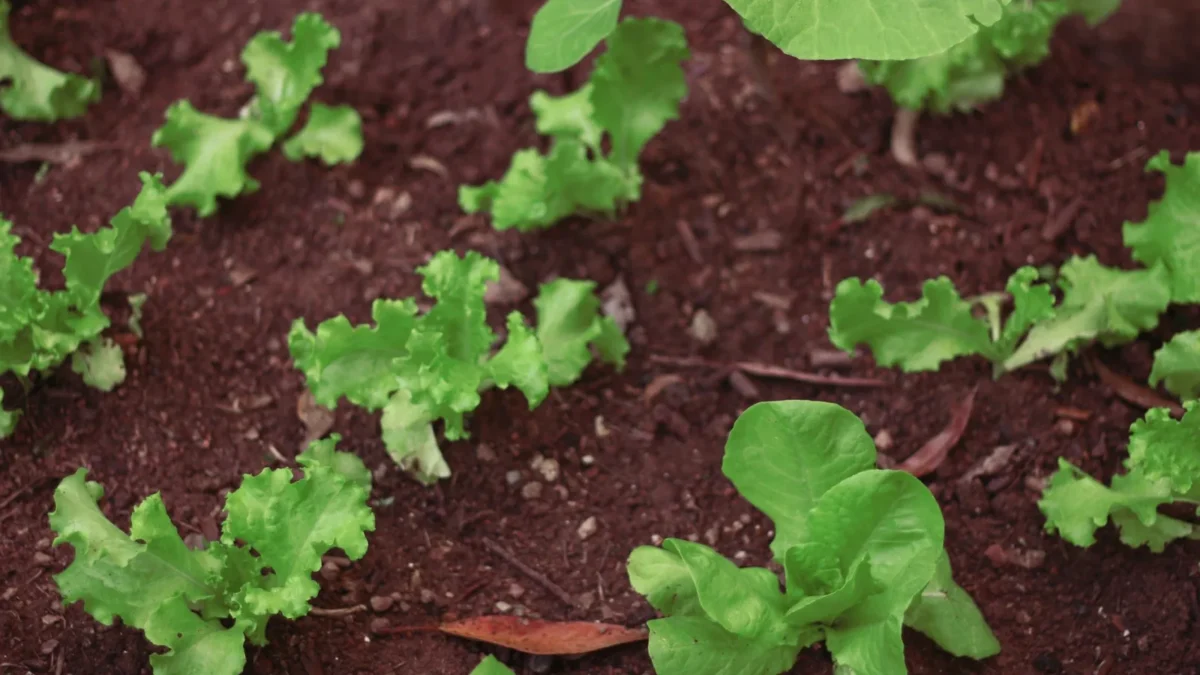
Quick answer: Lettuce grows well alongside carrots, beets, marigolds and other plants that share similar space without competing for nutrients or that naturally repel common pests. Good companions either occupy different soil depths, harvest at different times, or offer pest control benefits.
| Botanical name | Lactuca sativa |
|---|---|
| Light | Full sun to part shade; summer crops benefit from some shade to prevent bolting |
| Watering | Consistent moisture; water when soil is dry, ideally early morning; avoid evening watering |
| Humidity | Relatively low humidity around 40-60%; high humidity promotes fungal diseases |
| Temperature | 10-20°C (50-68°F) ideal; above 24°C (75°F) causes rapid bolting |
| Soil | Fertile, well-composted, medium moisture, well-drained; pH 6.0-6.8; loamy mix with 30-40% mature compost |
| Feeding | 10-10-10 complete fertilizer at 2 lbs per 100 sq ft before planting; side-dress at 1 lb per 25 ft row when 4 in tall; co |
| Size | 0.50 to 1.00 feet height and spread |
| Difficulty | easy |
Why companion planting matters for lettuce
Lettuce occupies relatively modest space—it reaches only 0.50 to 1.00 feet in height and spread—so intercropping with other vegetables maximizes productivity in your garden. The challenge is that lettuce has shallow roots close to the soil surface that absorb nearly all the water and nutrients it needs, which means its companions must either draw from deeper soil layers, grow tall above without shading the lettuce, or finish before lettuce needs peak nutrition.
Proven lettuce companions
Carrots and beets make ideal neighbors because they develop deep taproots and don’t compete for the shallow moisture and nutrients your lettuce depends on. Marigolds work differently—they repel aphids and other soft-bodied insects that commonly feed on lettuce, and their different root depth means no direct competition. These three deliver the most reliable benefits across most climates, including Australian gardens.
Other effective companions include plants that mature quickly and are harvested before lettuce reaches peak size, leaving the soil and space for your lettuce to expand. Tall-growing plants like beans or peas can shade lettuce in hot weather, which actually helps—summer lettuce benefits from some shade to prevent bolting,.
Spacing and timing for companion planting
Seedlings should be thinned to 15cm (6in) apart as they grow, giving each plant room to reach its full potential without crowding. Crowding reduces air circulation and invites fungal diseases like downy mildew, which becomes a problem when plants are overcrowded and in wet weather,. Space companions based on their mature size and root depth rather than trying to squeeze everything into minimum space.
Make successive sowings every 2–3 weeks to ensure a constant supply of leaves. This staggered approach also lets you rotate which companions occupy the same bed, reducing pest and disease carryover season to season.
FAQ
Which companion plants should I avoid near lettuce?
Avoid planting lettuce near fennel, which inhibits growth in nearby plants, and keep it away from plants that require heavy nitrogen feeding (like cabbage), since lettuce also relies heavily on nitrogen and will compete for it, potentially leaving both plants stunted.
Do companion plants actually reduce lettuce pests?
Yes—marigolds and similar plants actively repel aphids and slugs by their scent and growth habits. Good companions also improve air circulation and reduce the dense weeds and hiding places that attract slugs, snails, and other pests.
Can I use companion planting instead of fertilizer?
No. Lettuce still needs a 10-10-10 complete fertilizer at 2 lbs per 100 sq ft before planting, and a side-dressing of 1 lb per 25 ft of row when plants are about 4 inches tall. Companion planting optimizes space and pest control, not nutrition.
Read the full guide: Lettuce Care: The Complete Guide
Was this article helpful?
More about Lettuce
The same problem in other plants
- Best Companion Plants for Carrots
- Best Companion Plants for Bell Peppers
- Best Companion Plants for Zucchini
- Best Cucumber Companion Plants
Sources
- Lactuca sativa – Plant Finder
- Growing lettuce, endive and radicchio in home gardens
- Vegetables: Growing for Spring
Photo: Daniel Dan / Pexels, Pexels