
Lettuce Lactuca sativa
Why Lettuce Leaves Are Curling
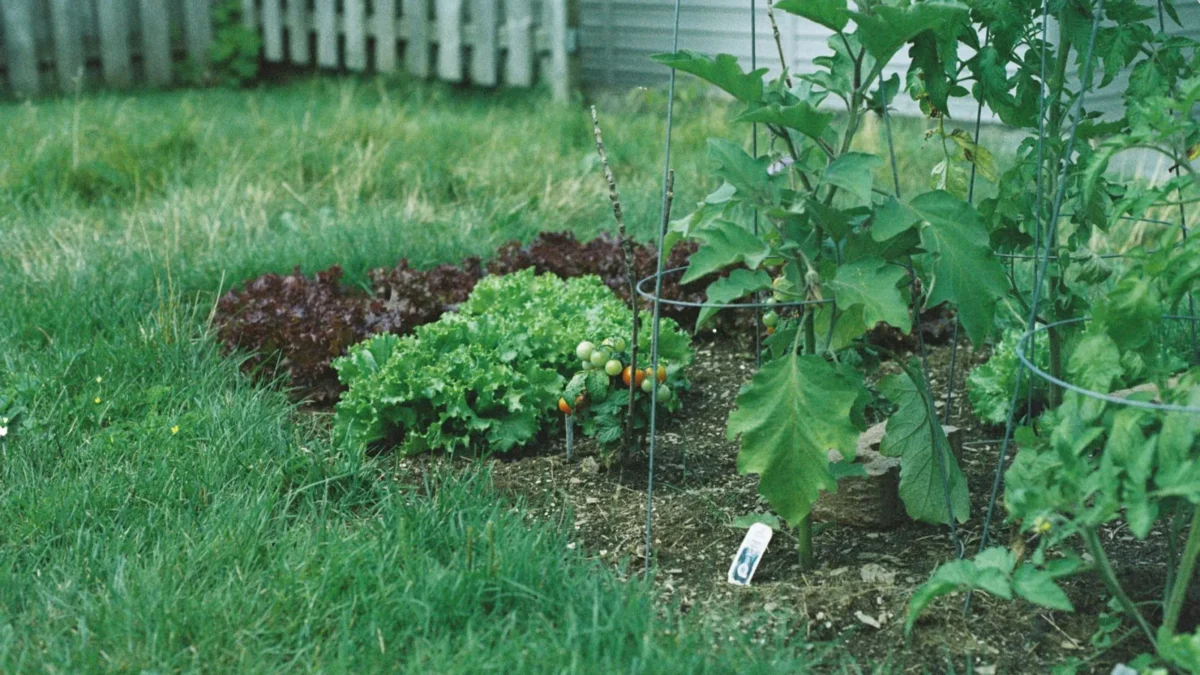
Quick answer: Lettuce leaves curling usually means your plant is stressed by heat above 24°C (75°F), low humidity, dry soil, or pests like root aphids. Fix it by adjusting temperature and watering, and your lettuce will flatten out again.
| Botanical name | Lactuca sativa |
|---|---|
| Light | Full sun to part shade; summer crops benefit from some shade to prevent bolting |
| Watering | Consistent moisture; water when soil is dry, ideally early morning; avoid evening watering |
| Humidity | Relatively low humidity around 40-60%; high humidity promotes fungal diseases |
| Temperature | 10-20°C (50-68°F) ideal; above 24°C (75°F) causes rapid bolting |
| Soil | Fertile, well-composted, medium moisture, well-drained; pH 6.0-6.8; loamy mix with 30-40% mature compost |
| Feeding | 10-10-10 complete fertilizer at 2 lbs per 100 sq ft before planting; side-dress at 1 lb per 25 ft row when 4 in tall; co |
| Size | 0.50 to 1.00 feet height and spread |
| Difficulty | easy |
Curling lettuce leaves reveal problems with either your growing conditions or what’s attacking the plant. Finding which one is key to solving it quickly.
Heat and Temperature Trigger Curling
Heat is the fastest way to curl lettuce leaves. Lettuce grows best in cool weather, ideally 10–20°C (50–68°F); above 24°C (75°F), rapid bolting happens. As the plant bolts, leaves develop a bitter taste and curl as the plant redirects energy into flowering.
When temperatures climb, leaves appreciate some light shade in the heat of summer. Summer crops are best given a position with some shade in order to slow down the plant’s tendency to go to seed and to prevent the leaves becoming bitter. If you’re growing lettuce in containers, move them to afternoon shade or use a 20% shade cloth. In the garden, plant later in summer for a fall crop when temperatures drop back to ideal.
Inconsistent Watering and Soil Dryness
Dry soil forces leaves to curl as the plant struggles to move water and nutrients upward. Although lettuce may form a long taproot, the smaller horizontal roots close to the surface absorb nearly all the water and nutrients used by the plant; if the soil becomes dry or is low in nutrients, the plants will struggle to grow and their quality will be poor. Don’t let the soil dry up completely, especially when it’s hot outside, or the leaves may turn bitter to the taste.
Lettuce plants perform best with consistent watering throughout the growing season. Water when the soil is dry, ideally early in the morning. Watering should keep soil consistently moist but never saturated for healthy lettuce growth. The goal is damp soil like a wrung-out sponge—not soggy, not dust-dry.
Low Humidity and Leaf Edge Stress
Humidity plays a minor role for lettuce, which mainly depends on soil moisture and cool temperatures; target ambient humidity around 40–60% to reduce leaf edge browning in hot, dry weather. When humidity drops below 40%, combined with heat, leaf edges brown and curl inward as water evaporates faster than the roots can supply it. Leaf tips often brown from heat stress, low humidity, or excess fertilizer salts; harvest outer leaves promptly and keep soil consistently moist but not waterlogged to prevent further tissue damage and bitterness.
Root Aphids and Hidden Pest Damage
Sometimes curling comes from root aphids working below the soil surface. Lettuce root aphid: older plants suddenly wilt and die back, usually in mid- to late summer; you may not see the aphids, as they attack the roots, not leaves, but you may see lots of ants around the plants, as they feed on the honeydew that the aphids produce; the damage is worse in dry conditions, so keep lettuce well-watered. If you see ants crawling on stems or the soil, dig gently around the base—you may spot tiny pale aphids on the roots.
How to Prevent Curling Lettuce
Keep soil consistently moist, provide afternoon shade during hot spells, and harvest frequently. Lettuce plants perform best with consistent watering throughout the growing season. Use a loam-based soil mix; use a loamy mix with high organic matter, such as garden soil blended with 30–40% mature compost. Water when the soil is dry, ideally early in the morning. This timing lets leaves absorb moisture before the day’s heat and avoids evening dampness that invites pests and disease.
FAQ
Why are my lettuce leaves curling down?
Downward-curling leaves usually signal heat stress or severe underwatering. Move plants to shade, water deeply to reach those shallow roots, and harvest what you can—older plants stressed by heat become bitter anyway.
Can curled lettuce leaves uncurl?
Yes, if you caught the stress early. Restore consistent moisture and cool temperatures within a day or two, and new growth will come in flat. Older curled leaves may never fully flatten.
Is curling lettuce still safe to eat?
Curled lettuce is safe, but heat-stressed plants often taste bitter from the latex compound the plant produces during bolting. Younger outer leaves harvested early taste milder than leaves allowed to curl and stress.
Read the full guide: Lettuce Care: The Complete Guide
Was this article helpful?
More about Lettuce
The same problem in other plants
- Why Are My Carrot Leaves Curling?
- Why Are My Bell Pepper Leaves Curling?
- Why Are My Tomato Leaves Curling Inward?
- Why Are My Basil Leaves Curling?
Sources
- How to Care for garden lettuce (Lactuca sativa)
- Lactuca sativa – Plant Finder
- Lactuca sativa 'Salad Bowl'
Photo: Coline Chazot / Pexels, Pexels