
Lettuce Lactuca sativa
Best Soil for Lettuce: Recipe for Garden Beds and Containers
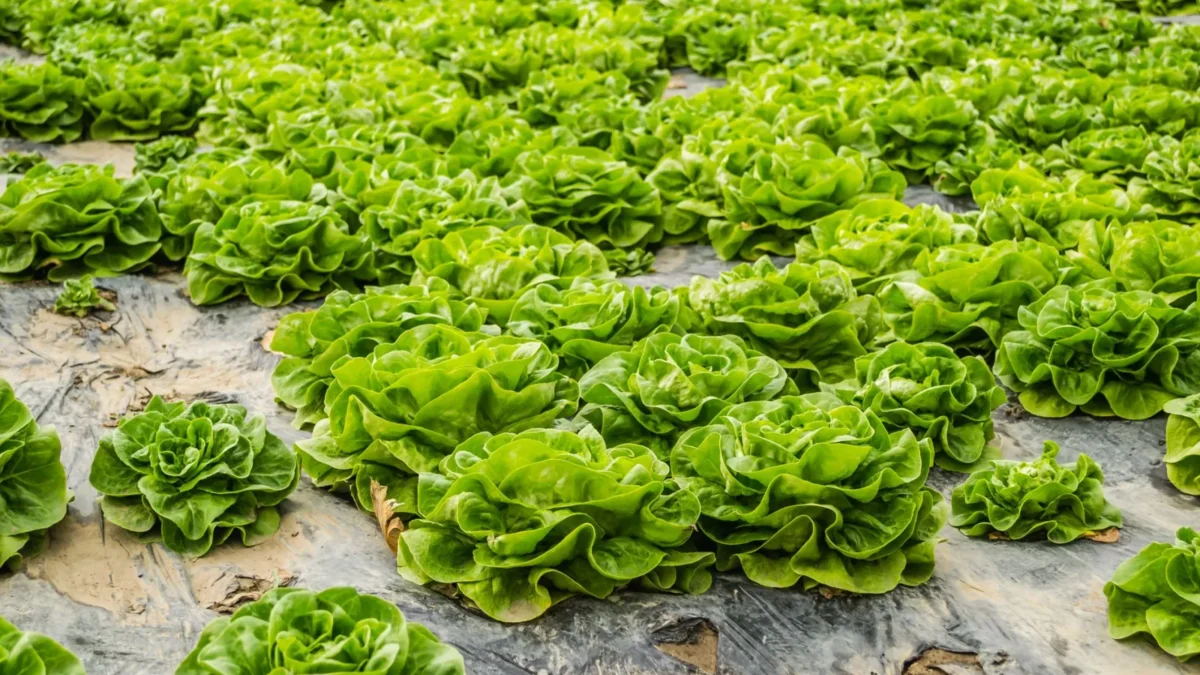
Quick answer: The best soil for lettuce is loose, fertile, well-draining soil rich in organic matter. Use a loamy mix with 30–40% mature compost, maintain a pH between 6.0 and 6.8, and keep it consistently moist but never waterlogged.
| Botanical name | Lactuca sativa |
|---|---|
| Light | Full sun to part shade; summer crops benefit from some shade to prevent bolting |
| Watering | Consistent moisture; water when soil is dry, ideally early morning; avoid evening watering |
| Humidity | Relatively low humidity around 40-60%; high humidity promotes fungal diseases |
| Temperature | 10-20°C (50-68°F) ideal; above 24°C (75°F) causes rapid bolting |
| Soil | Fertile, well-composted, medium moisture, well-drained; pH 6.0-6.8; loamy mix with 30-40% mature compost |
| Feeding | 10-10-10 complete fertilizer at 2 lbs per 100 sq ft before planting; side-dress at 1 lb per 25 ft row when 4 in tall; co |
| Size | 0.50 to 1.00 feet height and spread |
| Difficulty | easy |
Soil Recipe for Garden Beds
Lettuce has shallow roots that absorb nearly all their water and nutrients from the top few inches of soil. This means the quality of your soil directly affects how quickly the plant grows and how tender the leaves stay.
Mix your garden bed soil with 30–40% mature compost to create a loamy, organic-rich base. This amendment improves both drainage and moisture retention—critical for lettuce, which needs consistent moisture without sitting in soggy conditions.
If your garden soil tends to be compacted, add well-rotted manure in autumn before planting to loosen the structure and boost fertility. Poor soil dries out too quickly in summer, which triggers bolting (running to seed) and makes leaves bitter.
Test your soil pH and aim for 6.0–6.8. Lettuce dislikes acidic soil, so if your soil is very acidic or alkaline, raised beds or containers let you start with a custom mix rather than spending months amending the whole bed.
Best Soil for Lettuce in Pots
Containers need looser, faster-draining soil than garden beds. Use the same loamy mix of 30–40% mature compost blended with garden soil or quality potting mix. This balance keeps roots from staying too wet while providing enough nutrient density to support steady growth.
Container-grown lettuce also needs regular feeding. Apply a general-purpose organic liquid feed every two weeks through the summer since nutrients leach away with frequent watering.
Fertilizer and Nutrients
Before planting in garden beds, apply a complete 10-10-10 fertilizer at 2 lbs per 100 sq ft. When seedlings reach about 4 inches tall, side-dress with the same fertilizer at 1 lb per 25 ft of row.
If leaves turn pale and older leaves yellow first, your lettuce is short on nitrogen—the most common deficiency. The plant pulls nitrogen from its oldest leaves to feed new growth, leaving them yellowed and stunted. Fix this quickly with nitrogen-rich fertilizer like poultry manure pellets, applied according to label instructions.
Overwatering washes nitrogen out of the soil, so consistent, moderate moisture prevents both nutrient loss and yellow leaves.
FAQ
Can I use regular potting mix for lettuce?
Yes, but blend it with 30–40% mature compost to match the organic matter content lettuce prefers. Straight potting mix may be too light and drain too fast.
Why does my lettuce in soil bolt so quickly?
Dry soil triggers bolting as temperatures warm, making leaves bitter before you can harvest. Water regularly to keep soil moist (not waterlogged), water early in the morning, and avoid letting it dry out in hot weather.
Read the full guide: Lettuce Care: The Complete Guide
Was this article helpful?
More about Lettuce
The same problem in other plants
- Best Soil for Growing Carrots
- Best Soil for Bell Peppers: Container and Garden Growing
- How to Grow Zucchini in Containers and Pots
- Zucchini Spacing: How Far Apart to Plant
Sources
- Growing lettuce, endive and radicchio in home gardens
- Lactuca sativa 'Little Gem Delight'
- Lactuca sativa 'Salad Bowl'
Photo: Zoran Milosavljevic / Pexels, Pexels