
Bell Pepper Capsicum annuum
Bell Pepper Leaves Turning Yellow: Causes and Fixes
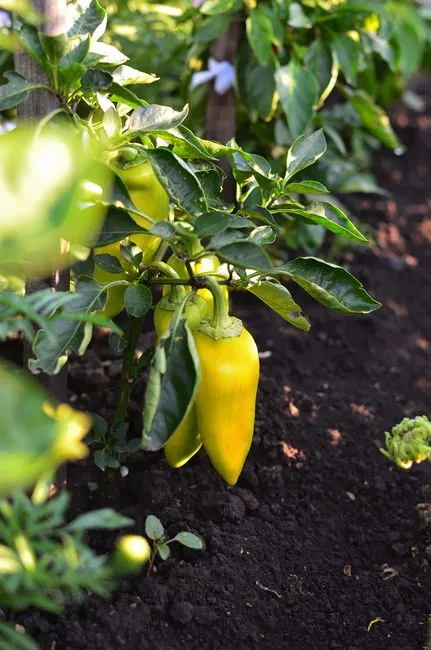
Quick answer: Bell pepper leaves turn yellow from inconsistent watering (the most common cause), nutrient deficiency, inadequate light, temperature stress, or pests. Fix it by checking soil moisture, adjusting your feeding schedule, improving light exposure, and inspecting for insects.
| Botanical name | Capsicum annuum |
|---|---|
| Light | Full sun for most of the day; 18-20 hours of light per day for seedlings |
| Watering | Water when soil is dry 2 inches below surface; avoid overhead watering; keep soil uniformly moist but not saturated |
| Temperature | Optimum 70-75°F; ideal vegetative growth 77-80°F day, 64-68°F night; avoid below 60°F or above 85°F |
| Soil | Well-drained loamy or sandy loam soil; pH 6.0-6.5 |
| Feeding | Moderate amounts; high potassium liquid fertilizer once first fruit sets |
| Size | 40-70cm tall |
| Difficulty | moderate |
Watering problems—the top cause
Irregular watering is behind most yellow leaves on bell peppers. The plant needs the soil to stay uniformly moist without becoming waterlogged. If you let the soil dry out between waterings, or if it stays soggy, the leaves will yellow as the plant struggles.
Check the soil two inches below the surface—if it’s dry there, water thoroughly. On sandy soil, you’ll need to water more often than once a week because it drains faster. During hot weather, you may need to water daily or even more than once per day.
Don’t use overhead watering; switch to drip or bottom watering instead. Water that sits on the foliage can trigger disease and won’t reach the roots effectively. If you’re not getting an inch of rain weekly, soak the soil thoroughly at least once a week.
Nutrient deficiency and feeding
Once your bell pepper’s first fruit sets, switch to a high potassium liquid fertilizer and water regularly. Peppers need only moderate amounts of fertilizer overall, but potassium becomes critical once fruiting begins—without it, older leaves yellow first as the plant redirects nutrients to the fruit.
If you haven’t fed since planting, yellowing leaves are a sign to start. Apply the fertilizer according to its label directions and maintain consistent watering alongside feeding.
Light and temperature stress
Bell peppers need full sun for most of the day to stay healthy and productive. Without adequate light, the plant weakens and leaves yellow. If your pepper is indoors or in a low-light spot, it won’t perform well.
Temperature swings also stress the plant. The optimum temperature is 70–75°F, with ideal growth between 77–80°F during the day and 64–68°F at night. If temperatures drop below 60°F or climb above 85°F, the plant stops growing properly and leaves may yellow. Move the plant away from cold drafts or intense afternoon heat if possible.
Pests
Bell peppers can attract aphids, red spider mites, and whitefly. These insects feed on the plant’s sap, causing yellowing, stippling, or mottled patches on leaves. Check the undersides of leaves for tiny insects, sticky residue, or fine webbing.
If you spot pests, spray with insecticidal soap or neem oil according to product directions, hitting both sides of the leaves. Repeat every 7–10 days until the infestation clears.
Why do bell pepper leaves turn yellow so easily?
Bell peppers are sensitive to both wet and dry soil, inconsistent feeding, and poor light. They come from a warm climate and show stress quickly when conditions aren’t right, so yellowing leaves are often an early warning that something needs adjusting.
Can yellow leaves turn green again?
Leaves that are already yellow won’t turn green again, but new growth will be healthy once you fix the underlying problem. Remove severely yellowed leaves to redirect energy to new foliage and fruit.
Should I remove yellow leaves?
Yes, remove leaves that are mostly yellow or wilted. This improves air circulation, reduces disease risk, and helps the plant focus energy on healthy growth and fruit production.
Read the full guide: Bell Pepper Care: The Complete Growing Guide
Was this article helpful?
More about Bell Pepper
The same problem in other plants
- Why Are My Strawberry Leaves Turning Yellow?
- Why Are My Carrot Tops Turning Yellow?
- Lettuce Leaves Turning Yellow: Causes and Fixes
- Why Are My Zucchini Leaves Turning Yellow?
Sources
- Growing peppers
- Question and Answer – Indiana Yard and Garden – Purdue Consumer HorticulturePurdue University Indiana Yard and Garden
- hgic.clemson.edu
Photo: Aleksandr Gorlov / Pexels, Pexels