
Bell Pepper Capsicum annuum
Bell Pepper Humidity and Temperature: Finding the Sweet Spot
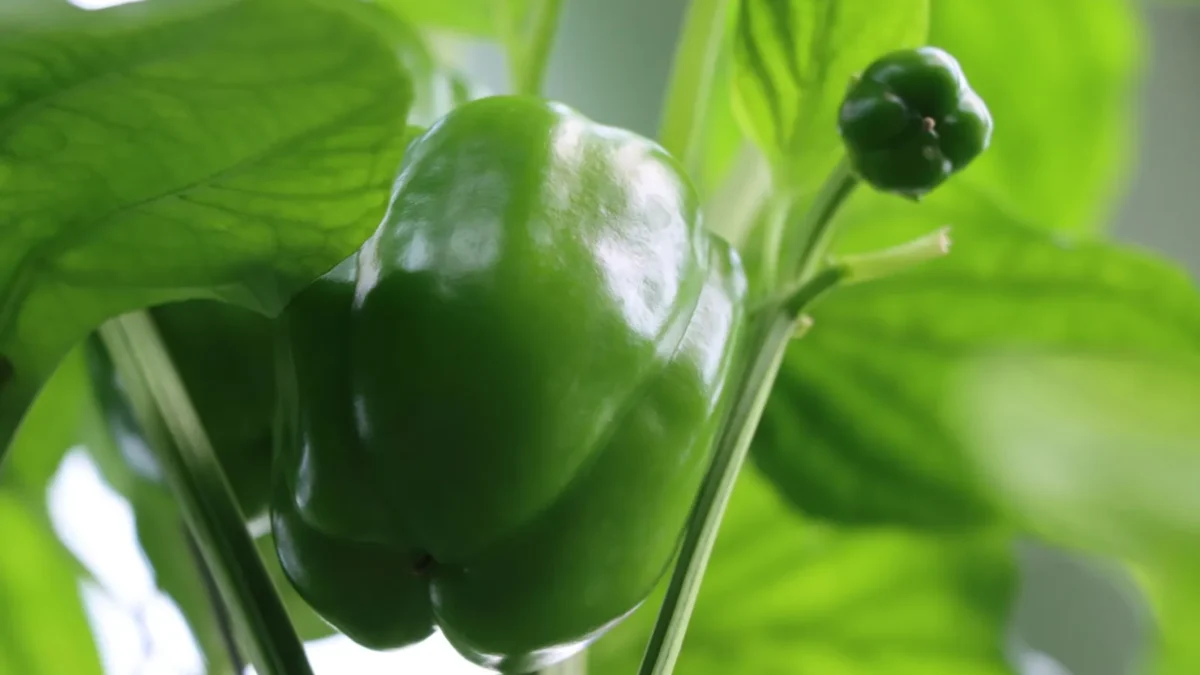
Quick answer: Bell peppers need a temperature range of 70–75°F overall, but ideally 77–80°F during the day and 64–68°F at night for best vegetative growth. Humidity for bell peppers isn’t strictly defined, but the real risk comes from how moisture interacts with warmth—overhead watering combined with warm, humid air creates conditions where bacteria thrive and cause disease. The key is airflow and moisture management rather than humidity level itself.
| Botanical name | Capsicum annuum |
|---|---|
| Light | Full sun for most of the day; 18-20 hours of light per day for seedlings |
| Watering | Water when soil is dry 2 inches below surface; avoid overhead watering; keep soil uniformly moist but not saturated |
| Temperature | Optimum 70-75°F; ideal vegetative growth 77-80°F day, 64-68°F night; avoid below 60°F or above 85°F |
| Soil | Well-drained loamy or sandy loam soil; pH 6.0-6.5 |
| Feeding | Moderate amounts; high potassium liquid fertilizer once first fruit sets |
| Size | 40-70cm tall |
| Difficulty | moderate |
Why temperature matters more than you might think
Bell peppers are sensitive to temperature swings in ways that directly affect whether they produce fruit at all. Flowers drop without setting fruit if temperatures climb above 85°F or fall below 60°F, so your first job is keeping them in the safe zone. The optimum sits at 70–75°F, though they actually prefer slightly warmer conditions—77–80°F days with cooler nights at 64–68°F—for robust growth and flowering.
If you’re growing indoors under lights, this matters even more. During germination, use a heating mat to maintain 80–90°F until seedlings emerge. Once they’re up, drop the temperature to 18–21°C (about 64–70°F). Later, when seedlings are established indoors, they still need 18–20 hours of light daily to stay compact; without it, they stretch and weaken.
Outdoors, choose a location in full sun for most of the day and avoid late-season sowings in regions where cool nights arrive early—peppers simply won’t set fruit if the temperature keeps dipping near 60°F.
Humidity, airflow, and disease prevention
The humidity question isn’t “what percentage do peppers need” but “how do I keep humidity from becoming a problem?” Warm, humid air with overhead watering creates a perfect storm for bacterial diseases. The fix is straightforward: use drip or bottom watering instead of overhead, and ensure good air circulation around the plants.
Keep soil uniformly moist but never saturated. Check the soil two inches below the surface—if it’s dry there, water thoroughly. In sandy soil, you’ll need to water more frequently. If you’re not getting an inch of rain weekly, soak the soil thoroughly at least once a week. During hot, dry weather, you may need to water more than once per day.
Use well-drained, loamy or sandy loam soil in a raised bed if necessary; peppers will not tolerate waterlogged conditions. This combination—good drainage, bottom watering, and air movement—keeps humidity from triggering disease while supporting healthy growth.
FAQ
What temperature should I maintain for seedlings indoors?
Maintain 18–21°C (about 64–70°F) for indoor sowing, but use a heating mat at 80–90°F when first sowing seeds until they emerge.
Can I grow bell peppers in humid climates?
Yes, but rely on drip or bottom watering, not overhead. Good airflow around the plants prevents bacterial issues even in naturally humid regions.
Why do my pepper flowers keep dropping?
Flower drop happens when temperatures stay above 85°F or below 60°F. Keep plants in the 70–75°F range, ideally warmer during the day and cooler at night.
Read the full guide: Bell Pepper Care: The Complete Growing Guide
Was this article helpful?