
Bell Pepper Capsicum annuum
Bell Pepper Leaves Brown Spots and Brown Edges: Diagnosis and Treatment
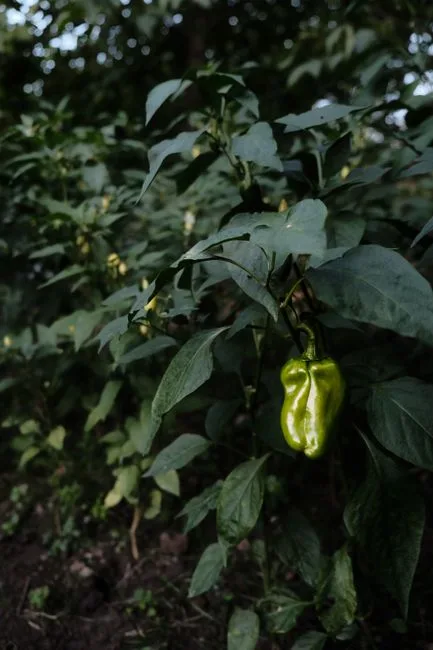
Quick answer: Brown spots and edges on bell pepper leaves are usually caused by fungal disease, bacterial infection, or watering problems. Overhead watering and high humidity make disease more likely, while dry soil causes nutrient deficiency and leaf damage. The fix depends on the cause—improve air flow and watering method, adjust soil moisture, or treat with fungicide if infection is active.
| Botanical name | Capsicum annuum |
|---|---|
| Light | Full sun for most of the day; 18-20 hours of light per day for seedlings |
| Watering | Water when soil is dry 2 inches below surface; avoid overhead watering; keep soil uniformly moist but not saturated |
| Temperature | Optimum 70-75°F; ideal vegetative growth 77-80°F day, 64-68°F night; avoid below 60°F or above 85°F |
| Soil | Well-drained loamy or sandy loam soil; pH 6.0-6.5 |
| Feeding | Moderate amounts; high potassium liquid fertilizer once first fruit sets |
| Size | 40-70cm tall |
| Difficulty | moderate |
What causes brown spots and edges on bell pepper leaves
The most common culprit is moisture management. Bacteria thrive in warm, humid conditions with frequent rainfall or overhead watering, so if you’re watering from above or the leaves stay wet, you’re creating ideal conditions for infection. Brown edges often signal calcium deficiency related to uneven soil moisture—peppers need consistent watering without waterlogging.
Fungal problems develop similarly, favored by wet foliage and crowded plants with poor air circulation. Environmental stress from temperature swings (the plant prefers 70-75°F and dislikes anything below 60°F or above 85°F) or inconsistent watering also weakens the plant and allows spots to establish.
How to treat brown spots and edges
-
Switch your watering method immediately. Avoid overhead watering; use drip or bottom watering instead. This is the single most effective prevention and treatment step.
-
Check soil moisture. Water when the soil is dry two inches below the surface, but keep it uniformly moist without letting it become saturated. Saturated soil invites root rot and fungal problems, while erratic moisture causes nutrient imbalances that show as leaf discoloration.
-
Improve air flow. Space plants apart, prune lower leaves to increase circulation, and avoid crowding. Remove badly spotted leaves entirely.
-
If infection is active: Remove affected leaves and apply a fungicide labeled for peppers, following the product instructions exactly. For bacterial spots, there is no chemical cure—focus on preventing spread by not touching wet plants and disinfecting tools.
-
Adjust temperature and light. Ensure your bell peppers receive full sun for most of the day, which strengthens the plant and dries foliage quickly. Keep temperatures in the ideal range of 77-80°F during the day and 64-68°F at night for strong vegetative growth.
-
Water thoroughly, not shallowly. Soak the soil thoroughly at least once a week if the plant doesn’t receive one inch of rain weekly. Light surface watering causes shallow roots and stress, making the plant more vulnerable to disease.
Preventing brown spots and edges
Maintain consistent soil moisture without saturation, water at soil level only, and ensure good drainage in well-drained loamy or sandy loam soil with a pH between 6.0 and 6.5. Once your bell pepper is producing fruit, feed with a high potassium liquid fertilizer to strengthen leaves and overall resistance. Keep humidity low by watering early in the day and providing air movement. Remove lower leaves as the plant grows to reduce disease pressure at the base.
Read the full guide: Bell Pepper Care: The Complete Growing Guide
Was this article helpful?
More about Bell Pepper
The same problem in other plants
- Why Are My Carrot Leaves Browning?
- Brown Edges on Lettuce Leaves: Prevention and Treatment
- Cucumber Leaf Problems: Brown Tips and Spots
- What Causes Blossom End Rot on Tomatoes?
Sources
Photo: Emre Gencer / Pexels, Pexels