
Bell Pepper Capsicum annuum
Bell Pepper Spacing and When to Plant for Best Yields
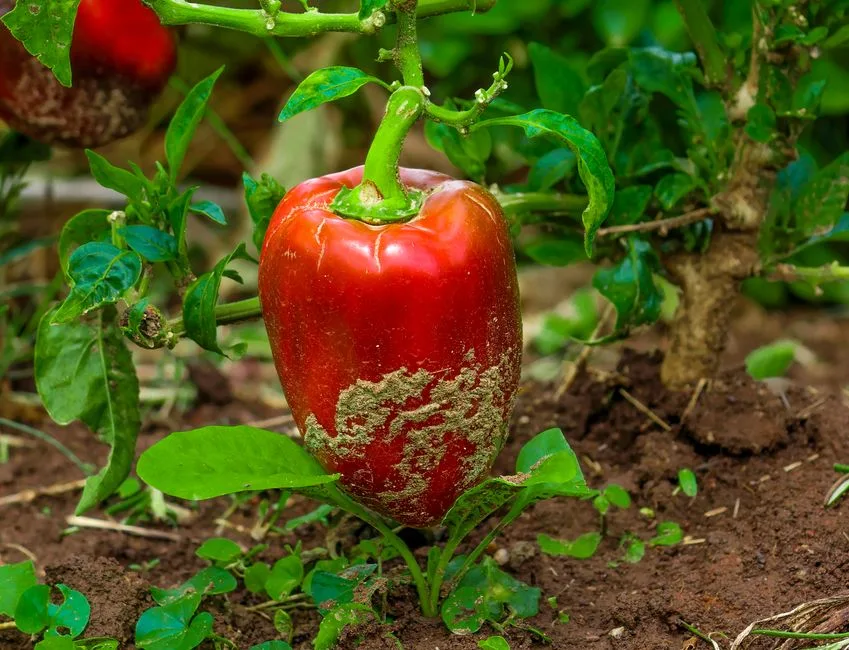
Quick answer: Space bell pepper plants 18–24 inches apart in all directions to give them room to develop into compact 40–70cm bushes without crowding. Start seeds indoors about eight weeks before your last frost date, then move seedlings outside once soil has warmed and nighttime temperatures stay above 60°F,.
| Botanical name | Capsicum annuum |
|---|---|
| Light | Full sun for most of the day; 18-20 hours of light per day for seedlings |
| Watering | Water when soil is dry 2 inches below surface; avoid overhead watering; keep soil uniformly moist but not saturated |
| Temperature | Optimum 70-75°F; ideal vegetative growth 77-80°F day, 64-68°F night; avoid below 60°F or above 85°F |
| Soil | Well-drained loamy or sandy loam soil; pH 6.0-6.5 |
| Feeding | Moderate amounts; high potassium liquid fertilizer once first fruit sets |
| Size | 40-70cm tall |
| Difficulty | moderate |
Get bell pepper spacing right for healthy plants
Crowding reduces air circulation, which invites disease and pest pressure. At 18–24 inches between plants, each one receives enough light and airflow to thrive. Tighter spacing stunts growth and fruits, while wider spacing wastes garden space without real benefit. If you’re using raised beds or containers, follow the same spacing rule; bell peppers aren’t sprawling vines, so you won’t gain much by squeezing them in.
Bell peppers grow best when given full sun for most of the day, so choose a location where they’ll get unobstructed light. They reach their ideal vegetative growth potential between 77–80°F during the day and 64–68°F at night. These temperatures are well above what many cool-season crops prefer, which is why timing matters so much.
When to plant bell peppers outside
Start seeds indoors about eight weeks before your expected transplant date. This gives seedlings time to develop into sturdy young plants without becoming leggy—a common problem indoors when seedlings don’t get enough overhead light. Use a heating mat to keep the seed flat at 80–90°F until seedlings emerge, then reduce to 18–21°C once they’re up.
Move seedlings outside only once nighttime temperatures consistently stay above 60°F. Soil temperature matters as much as air temperature; transplanting into cold, wet soil shocks the roots and stalls growth. Wait until soil has genuinely warmed—usually mid-to-late spring in most climates. If you rush outdoors early and hit a cold snap, your plants will stall for weeks, delaying your harvest.
Site prep and soil conditions
Bell peppers demand well-drained soil; waterlogged roots are their biggest enemy. Use loamy or sandy loam soil with a pH between 6.0–6.5,. Sandy soil drains too fast and will need more frequent watering, while clay holds water too long. If your garden has heavy clay, grow peppers in a raised bed filled with better-draining mix.
Water when the soil is dry two inches below the surface. If your area doesn’t receive an inch of rain per week, soak the soil thoroughly at least once a week—more often in sandy soil,. Avoid overhead watering; use drip irrigation or water at soil level instead. Uneven watering causes blossom end rot, a calcium deficiency that shows as dark, sunken spots on the fruit. Keep soil uniformly moist but never saturated.
FAQ
How far apart should bell peppers be spaced?
Space them 18–24 inches apart in all directions so each plant has room for light, air movement, and nutrient uptake.
What’s the best time to plant bell pepper seeds?
Start seeds indoors eight weeks before your last frost date, then transplant outside once nighttime temperatures stay above 60°F and soil has warmed.
Can I plant bell peppers earlier if I use a cold frame?
Not safely. Soil below 60°F will check growth severely. Wait for natural warmth rather than trying to force early planting, even with protection.
Read the full guide: Bell Pepper Care: The Complete Growing Guide
Was this article helpful?