
Tomato Solanum lycopersicum
Why Your Tomatoes Are Turning Brown on the Bottom: Blossom End Rot Explained
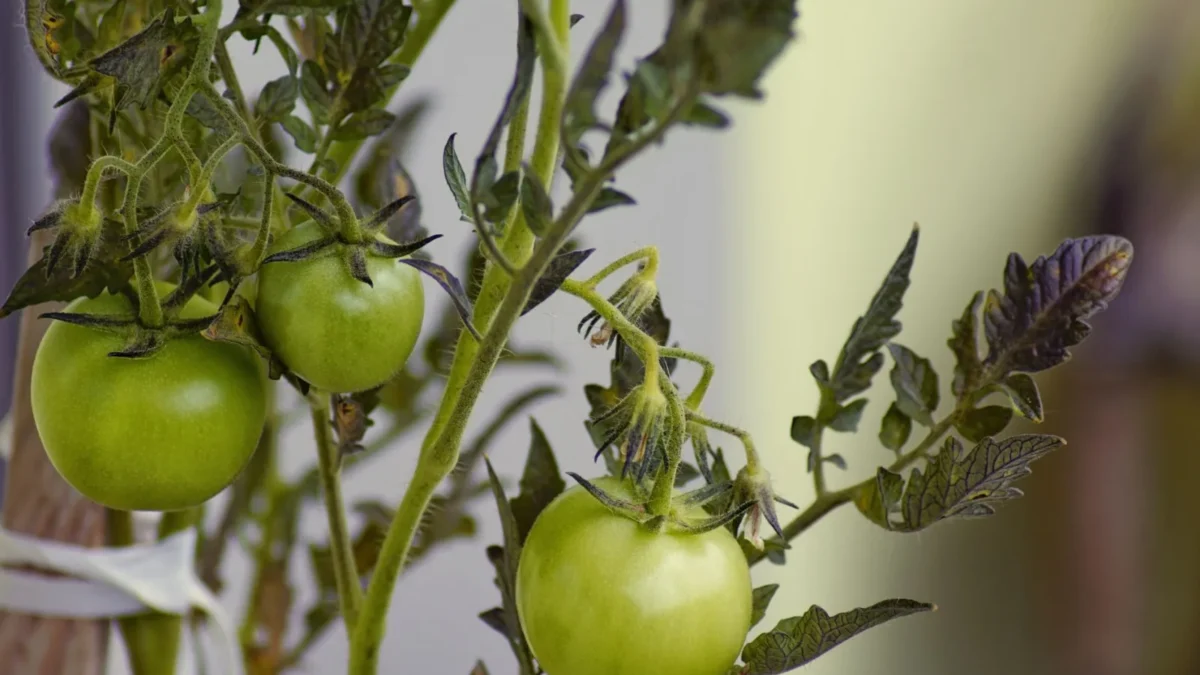
Quick answer: Your tomatoes are turning brown or black on the bottom because of blossom end rot, a calcium deficiency caused by uneven soil moisture. Keeping your soil consistently moist from flowering through harvest stops it completely.
| Botanical name | Solanum lycopersicum |
|---|---|
| Light | Bright overhead light for seedlings; light not necessary for fruit ripening |
| Watering | Keep soil evenly moist; water deeply 1–2 inches weekly in-ground; daily for containers |
| Temperature | Night temperatures 55–75°F for fruit set; avoid temperatures above 90°F |
| Soil | Deep, loamy, well-drained soil with organic matter; pH 6.2–6.8 |
| Feeding | Regular liquid tomato food once fruits form, per manufacturer instructions |
| Difficulty | moderate |
| Cats | ⚠️ toxic — Leaves, stems, green fruit contain solanine; ripe fruit non-toxic |
| Dogs | ⚠️ toxic — Leaves, stems, green fruit contain solanine; ripe fruit non-toxic |
| What you see | Likely cause | What to do |
|---|---|---|
| Dark, sunken spots on the bottom of the fruit | Blossom end rot (calcium deficiency from moisture swings) | Water deeply and consistently; apply mulch to stabilize soil moisture |
| Dark brown spots with rings and yellow halos on leaves | Early blight fungal disease | Remove affected leaves; improve air circulation; water at soil level only |
| Few or no fruits setting despite flowers | Temperature stress | Wait for night temperatures to stay between 55–75°F; protect from extreme heat |
| Yellowing leaves (whole leaf, especially lower ones) | Nitrogen deficiency or overwatering | Check soil drainage; reduce watering if soggy; feed with tomato fertilizer |
Why soil moisture matters more than you think
Blossom end rot happens when your tomato plant cannot absorb enough calcium while the fruit is developing. This sounds like a nutrient problem, but it’s actually a water problem. When you water inconsistently—drying out, then flooding—the plant’s roots cannot take up calcium properly, even if it’s in the soil.
The damage starts at the bottom of the fruit (the blossom end) as a dark, water-soaked spot that grows inward. By the time you notice it, the fruit is already damaged and will not recover. The good news: preventing it is straightforward.
How to water tomatoes to stop blossom end rot
The key is steady, deep watering that keeps the soil evenly moist without being waterlogged.
-
For ground-planted tomatoes: Water deeply once a week, providing about 1–2 inches of water each time. This soaks the root zone thoroughly instead of just dampening the surface.
-
For raised beds: Water every 3–5 days, adjusting based on weather and soil moisture levels. Raised beds drain faster than in-ground soil, so they need more frequent watering.
-
For container tomatoes: Water daily, or even twice a day during hot weather. Plants in containers dry out quickly, so they may need watering daily in hot weather.
Use drip irrigation or a soaker hose or direct the garden hose at the base of the plant. This delivers water directly to the roots and keeps foliage dry, which also helps prevent fungal disease.
Apply mulch three to four inches deep and close to the plants. Mulch acts as a buffer, keeping soil moisture stable between waterings.
Other conditions that matter
Consistent soil moisture levels will help produce the best quality fruit; when soil moisture levels fluctuate during fruit growth, blossom-end rot can develop.
The best soil is a deep, loamy soil that is well-drained and has a good supply of organic matter; the soil pH should be between 6.2 and 6.8. Good soil structure helps with both drainage and water retention—it won’t get waterlogged or dry out as fast.
Once fruits form, feed the plants regularly with a proprietary liquid tomato food according to the manufacturer’s instructions. Proper feeding supports overall plant health and makes calcium more available to developing fruit.
FAQ
Can I save a fruit that’s already showing blossom end rot?
No—once the spot appears, that fruit is damaged inside and will not improve. Remove it to direct the plant’s energy to healthy developing fruits, and focus on preventing it on new fruits through consistent watering.
Is my soil pH affecting this?
The soil pH should be between 6.2 and 6.8. Soil that’s too acidic or alkaline can lock up calcium even when it’s present, so checking and adjusting pH helps if you’re in an area with naturally extreme soil.
Does temperature affect when blossom end rot happens?
The flowers will begin to set fruit when the night temperatures are between 55 and 75 degrees; lower and higher temperatures will result in no fruit set. Fruit only develops within this temperature window, so blossom end rot is most common during consistent warm seasons when many fruits are setting at once.
Read the full guide: Tomato Care: The Complete Growing Guide
Was this article helpful?
More about Tomato
The same problem in other plants
- Brown Edges on Lettuce Leaves: Prevention and Treatment
- Bell Pepper Leaves Brown Spots and Brown Edges: Diagnosis and Treatment
- Cucumber Leaf Problems: Brown Tips and Spots
Sources
- Visit us on the Web: www.gardeninghelp.org Tomatoes
- How to grow Tomatoes
- Create Your Own Tomato Watering Schedule
Photo: Ryszard Zaleski / Pexels, Pexels