
Tomato Solanum lycopersicum
Best Companion Plants for Tomatoes
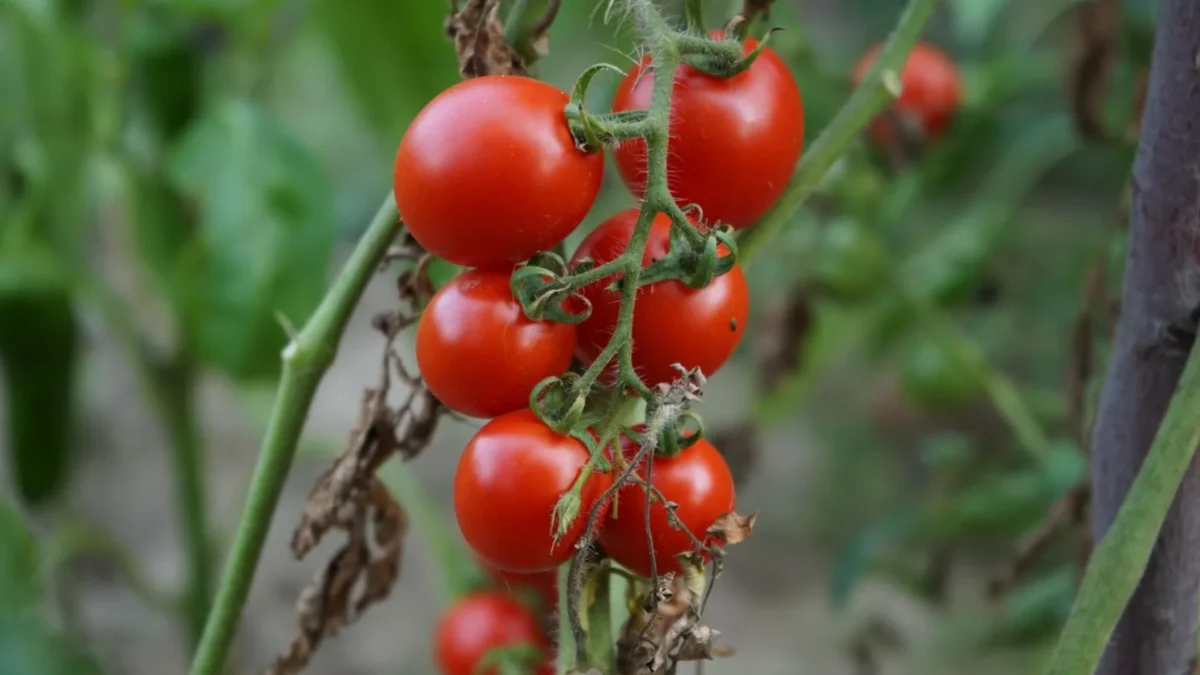
Quick answer: Grow basil, parsley, carrots, and marigolds alongside tomatoes to improve growth, repel pests, and increase your harvest. Different companion plants work well in various climates and regions.
| Botanical name | Solanum lycopersicum |
|---|---|
| Light | Bright overhead light for seedlings; light not necessary for fruit ripening |
| Watering | Keep soil evenly moist; water deeply 1–2 inches weekly in-ground; daily for containers |
| Temperature | Night temperatures 55–75°F for fruit set; avoid temperatures above 90°F |
| Soil | Deep, loamy, well-drained soil with organic matter; pH 6.2–6.8 |
| Feeding | Regular liquid tomato food once fruits form, per manufacturer instructions |
| Difficulty | moderate |
| Cats | ⚠️ toxic — Leaves, stems, green fruit contain solanine; ripe fruit non-toxic |
| Dogs | ⚠️ toxic — Leaves, stems, green fruit contain solanine; ripe fruit non-toxic |
Why companion planting works for tomatoes
Tomatoes are easy to grow but more delicate than some gardeners realize. Pairing them with the right neighbors helps in three concrete ways: confusing or repelling pests, filling garden space without competing for the same nutrients, and improving airflow around the foliage so fungal problems have less chance to take hold.
Because tomatoes need a steady, even moisture supply — fluctuating soil moisture is a direct cause of problems like blossom end rot and fruit splitting — companions that share similar watering needs make bed management much simpler than mixing in plants that prefer dry conditions.
Best herbs to plant with tomatoes
Basil is the classic tomato companion, both in the kitchen and in the garden. Its strong scent is widely used to help confuse pests looking for tomato plants by smell, and it thrives in the same full-sun, evenly moist conditions tomatoes need. Parsley is another easy pairing: it stays low, doesn’t compete for light, and attracts beneficial predatory insects that help keep aphid and hornworm populations down.
Chives and garlic are also good choices — their strong sulfur scent is thought to help mask the smell of tomato foliage from several common pests, the same mechanism gardeners use to protect other vegetables from odor-hunting insects.
Best flowers and vegetables to plant with tomatoes
Marigolds are one of the most reliable tomato companions. Their roots release compounds that suppress root-knot nematodes in the soil, a pest that can otherwise stunt tomato roots over a season. French marigolds in particular are planted in dense borders around tomato beds for this reason.
Carrots pair well because they occupy a different soil layer than tomatoes’ shallow feeder roots, so the two don’t compete directly for water and nutrients near the surface. Onions and asparagus are traditional companions too, since neither draws heavily on the same nutrients tomatoes need most.
Plants to avoid near tomatoes
Brassicas (cabbage, broccoli, kale) and fennel are generally kept well away from tomato beds — fennel in particular is known to slow the growth of many neighboring vegetables through compounds it releases into the soil. Corn and tomatoes also compete for the same resources and can share some of the same pest and disease pressures (notably hornworms), so growers who want to avoid doubling up on pest problems often separate them.
Potatoes are another plant best kept apart from tomatoes — both belong to the nightshade family and are vulnerable to the same blights, so growing them side by side can let one crop’s disease spread quickly to the other.
Keeping a companion bed healthy
Whatever you pair with your tomatoes, the watering routine matters as much as the plant choice. Water deeply once a week for in-ground beds, providing 1–2 inches at a time, or more often for raised beds and containers in hot weather. Use a soaker hose or drip irrigation rather than overhead watering, and water at the base of the plants so foliage stays dry — wet leaves are one of the easiest ways to invite fungal disease into a mixed bed.
A reminder for pet owners planning a companion bed: the leaves, stems, and any green unripe fruit of the tomato plant itself contain solanine and are toxic to both cats and dogs, though ripe red tomatoes are not. Keep pets away from the vines themselves rather than worrying about marigolds or herbs planted nearby, which are the usual safe choices for a companion bed.
FAQ
Can I plant basil and marigolds together with tomatoes in the same bed?
Yes — this is one of the most common combinations gardeners use, and the two companions work on different problems at once: basil for pest-confusion by scent, marigolds for suppressing nematodes in the soil.
Will companion planting fix yellowing tomato leaves?
No. Companion planting helps prevent some pest and disease pressure, but established yellowing is almost always a nutrient or watering issue — nitrogen deficiency is the most common cause, especially when yellowing starts at the bottom of the plant and moves upward.
How close should companion plants be to my tomatoes?
Leave enough room that neither plant shades the other out or competes directly for water — a general rule is to keep smaller companions like basil or marigolds within a foot or two of the tomato’s base, while giving taller companions like corn much more distance to avoid competing with the tomato canopy for light.
Read the full guide: Tomato Care: The Complete Growing Guide
Was this article helpful?
More about Tomato
The same problem in other plants
- Best Companion Plants for Carrots
- Best Companion Plants for Lettuce
- Best Companion Plants for Bell Peppers
- Best Companion Plants for Zucchini
Sources
- How to grow Tomatoes
- Create Your Own Tomato Watering Schedule
- Toxic and Non-toxic Plants: Tomato Plant
Photo: Nicolae Holbea / Pexels, Pexels