
Tomato Solanum lycopersicum
Is Tomato Toxic to Birds, Rabbits, and Chickens?
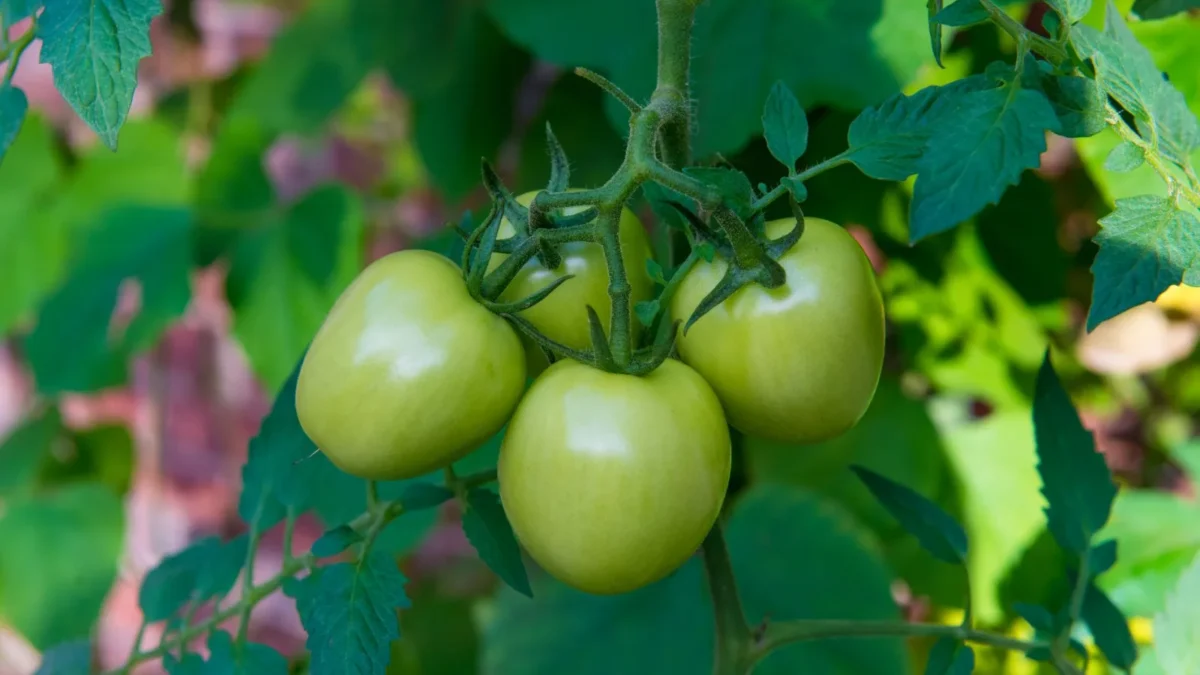
Quick answer: Ripe tomatoes are safe for birds, rabbits, and chickens, but the leaves, stems, and green unripe fruit contain solanine, a toxic compound that can harm these animals if eaten in quantity.
| Botanical name | Solanum lycopersicum |
|---|---|
| Light | Bright overhead light for seedlings; light not necessary for fruit ripening |
| Watering | Keep soil evenly moist; water deeply 1–2 inches weekly in-ground; daily for containers |
| Temperature | Night temperatures 55–75°F for fruit set; avoid temperatures above 90°F |
| Soil | Deep, loamy, well-drained soil with organic matter; pH 6.2–6.8 |
| Feeding | Regular liquid tomato food once fruits form, per manufacturer instructions |
| Difficulty | moderate |
| Cats | ⚠️ toxic — Leaves, stems, green fruit contain solanine; ripe fruit non-toxic |
| Dogs | ⚠️ toxic — Leaves, stems, green fruit contain solanine; ripe fruit non-toxic |
What makes tomato plants dangerous
The leaves, stems, and any green unripe fruit contain solanine and tomatine—glycoalkaloid compounds that are toxic to birds, rabbits, chickens, and other animals. Ripe red tomatoes are non-toxic. This matters if you’re growing tomatoes in a backyard where these animals roam freely or have access to fallen plant material.
If a rabbit, bird, or chicken eats enough of the toxic parts, symptoms can include lethargy, drooling, stomach upset, diarrhea, vomiting, and changes in behavior. The risk is real but depends on how much they consume—a single leaf is unlikely to cause serious harm, but repeated access or a large quantity could.
Safe practices for backyard growers with animals
If you keep birds, rabbits, or chickens in your garden, protect them by:
- Fence the tomato bed so animals can’t graze on vines or reach fallen green fruit
- Remove dropped fruit promptly, especially any green or partially ripe tomatoes
- Prune lower branches away from ground level where animals can easily access them
- Let fruit ripen fully before harvesting—red, fully ripe tomatoes are safe if accidentally eaten
- Dispose of plant material safely at the end of the season; don’t let animals access compost or garden waste containing stems and leaves
The safest approach is to keep tomato plants physically separated from free-ranging poultry and rabbits. If you notice any of these animals have eaten tomato plant parts and show concerning symptoms, contact a veterinarian or poison control for your region immediately.
FAQ
Can chickens eat ripe tomatoes?
Yes, fully ripe red tomatoes are safe for chickens to eat. Keep them away from green fruit and plant foliage, which contain toxic compounds.
Is tomato toxic to parrots?
The same rule applies to parrots and other pet birds: ripe fruit is safe, but leaves, stems, and green fruit are toxic due to solanine content. Birds should never have access to tomato vines or unripe fruit.
Read the full guide: Tomato Care: The Complete Growing Guide
Was this article helpful?
More about Tomato
The same problem in other plants
- Is Zucchini Toxic to Pets?
- Is Cucumber Toxic to Other Pets?
- Is Cucumber Safe for Cats?
- Is Basil Toxic to Cats and Dogs?
Sources
- Tomato (Solanum lycopersicum): Toxic to Dogs
- Toxic and Non-toxic Plants: Tomato Plant
- Are Tomato Leaves Dangerous for Cats & Dogs?
Photo: Mohan Nannapaneni / Pexels, Pexels