
Basil Ocimum basilicum
Is Basil Toxic to Cats and Dogs?
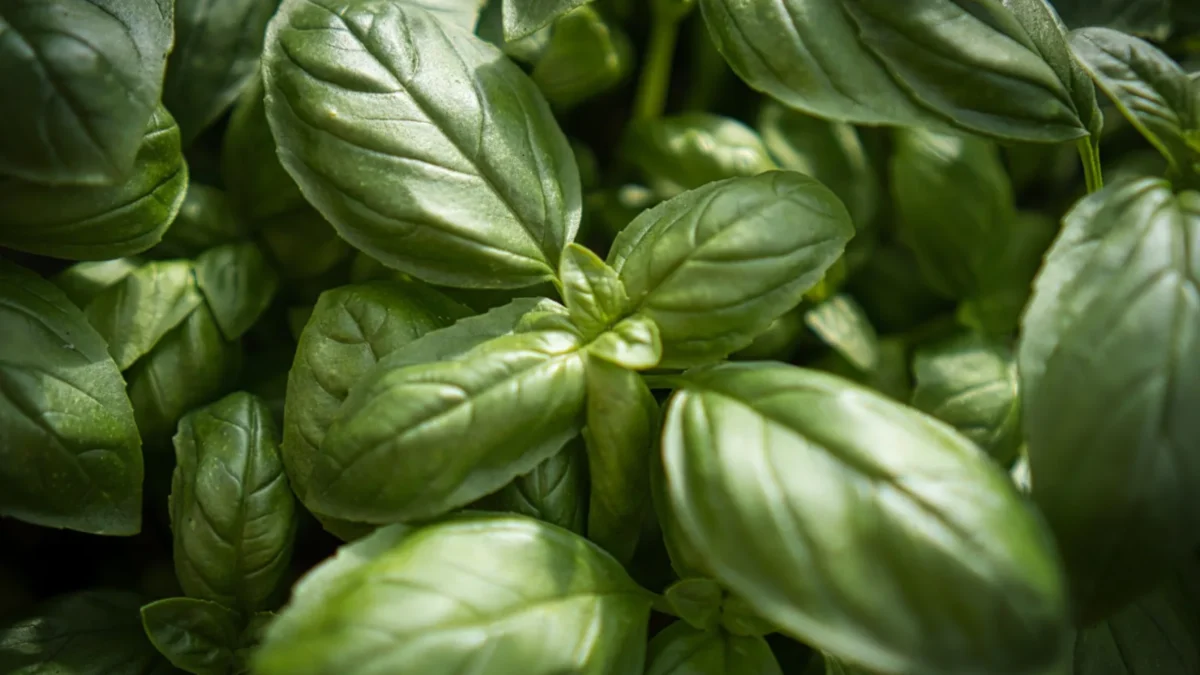
Quick answer: Basil is non-toxic to cats and non-toxic to dogs, making it safe to have basil plants in homes with pets and safe to use in normal culinary amounts.
| Botanical name | Ocimum basilicum |
|---|---|
| Light | 6-8 hours direct sun daily; benefits from afternoon shade; 12 hours artificial light indoors |
| Watering | Water when soil is dry 1/2 inch below surface; water often to prevent wilting |
| Temperature | 60-80°F (15.5-27°C); avoid temperatures below 40°F |
| Soil | Moist, well-drained soil; pH 6.0-7.5; avoid heavy clay and overly fertile sites |
| Feeding | Soluble fertilizer frequently; especially when lower leaves yellow from nitrogen deficiency |
| Size | 8-10 inches (Spicy Globe); 15 inches (Lettuce Leaf); varies by variety |
| Difficulty | easy |
| Cats | ✓ non-toxic |
| Dogs | ✓ non-toxic |
Safe use around pets
If your cat or dog has chewed or ingested basil, there’s no need to worry. The herb doesn’t contain compounds that poison either species, even if consumed in moderate quantities. This includes all common basil varieties you’d grow in a kitchen garden or container indoors.
That said, pet safety goes beyond toxicity. While basil itself won’t harm your animal, it’s still sensible to keep plants out of reach if your pet is a determined chewer. Young or overly curious pets may damage the plant while eating it, and consuming large amounts of any plant material could cause mild digestive upset in some animals.
Growing basil safely around pets
You don’t need to change how you grow basil just because you have cats or dogs. Give your basil 6–8 hours of sun every day and benefits from some shade in the afternoon. Water when soil is dry 1/2 inch below the surface if growing indoors, or deeply once per week (soaking the soil to 8 inches) for outdoor garden plants.
If you prefer, you can place your basil in a higher location where pets can’t easily reach it—on a shelf, high windowsill, or hanging container. This keeps both the plant safe from damage and removes any temptation for your pet to nibble on it.
When to contact a veterinarian
Based on what we know about basil’s safety profile, contacting a vet isn’t necessary if your pet ate some basil. However, if your pet consumed something else along with the basil, or if you’re uncertain what plant your pet chewed, then call your veterinarian or the ASPCA Animal Poison Control Center for guidance. This is especially important if your pet shows any unusual symptoms like vomiting, diarrhea, or loss of appetite after eating any plant material.
Read the full guide: Basil Care: The Complete Guide to Growing Healthy Plants Indoors and Outdoors
Was this article helpful?
More about Basil
The same problem in other plants
- Is Cucumber Toxic to Other Pets?
- Is Cucumber Safe for Cats?
- Are Tomatoes Toxic to Birds, Rabbits, and Chickens?
- Are Tomatoes Toxic to Cats and Dogs?