
Basil Ocimum basilicum
Best Fertilizer for Basil: Indoor, Outdoor, and Potted Plants
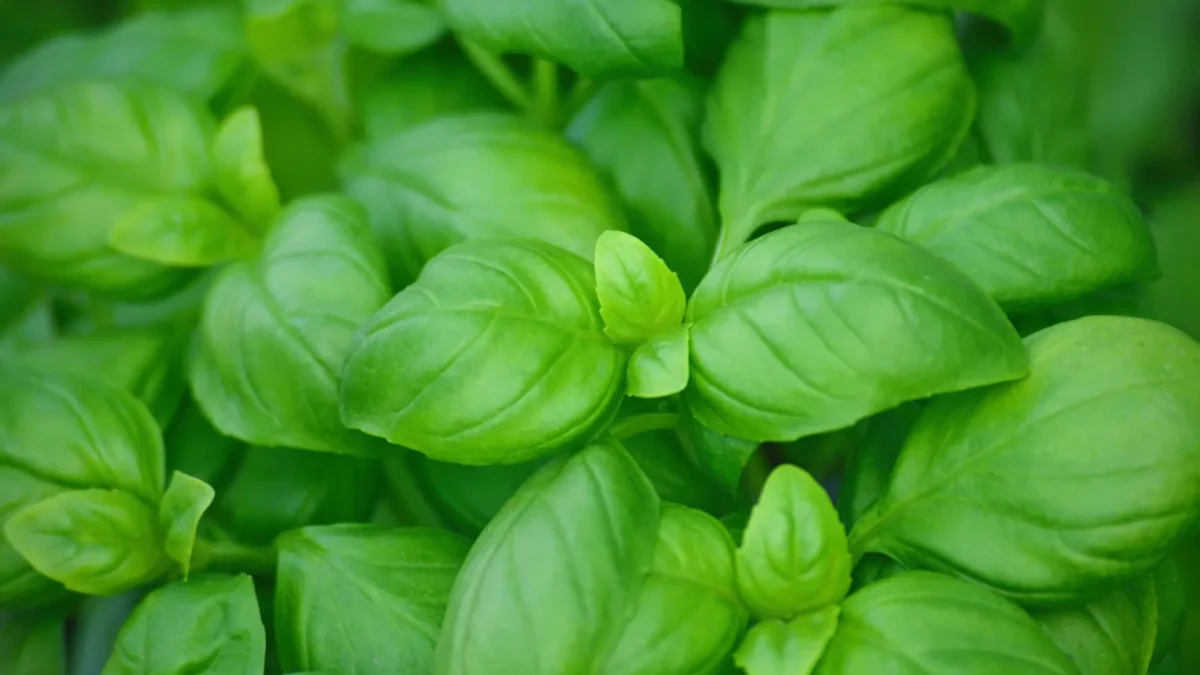
Quick answer: Use a soluble fertilizer frequently as the best choice for basil health, especially when lower leaves turn yellow from nitrogen deficiency. Apply it regularly throughout the growing season to keep plants vigorous and productive.
| Botanical name | Ocimum basilicum |
|---|---|
| Light | 6-8 hours direct sun daily; benefits from afternoon shade; 12 hours artificial light indoors |
| Watering | Water when soil is dry 1/2 inch below surface; water often to prevent wilting |
| Temperature | 60-80°F (15.5-27°C); avoid temperatures below 40°F |
| Soil | Moist, well-drained soil; pH 6.0-7.5; avoid heavy clay and overly fertile sites |
| Feeding | Soluble fertilizer frequently; especially when lower leaves yellow from nitrogen deficiency |
| Size | 8-10 inches (Spicy Globe); 15 inches (Lettuce Leaf); varies by variety |
| Difficulty | easy |
| Cats | ✓ non-toxic |
| Dogs | ✓ non-toxic |
Why Basil Needs Frequent Feeding
Basil should be watered and fertilized frequently because it’s a fast-growing plant that depletes nutrients quickly, particularly in containers where water drains away regularly. The clearest sign your basil needs feeding is yellowing of the lower leaves, which indicates nitrogen deficiency. Unlike slower herbs, basil responds well to consistent nutrition—especially soluble fertilizers that work fast when you spot that yellowing.
Keep in mind that rich, overly fertile soil actually reduces essential oil production, which lowers the flavor and aroma you’re growing basil for. The goal is regular moderate feeding, not over-fertilizing at the start.
Feeding Basil Indoors vs. Outdoors
Indoor and outdoor basil have different watering patterns, which affects how you fertilize:
Potted basil indoors: Water when soil is dry 1/2 inch below the surface, then fertilize with soluble fertilizer at regular intervals—roughly every 2–3 weeks once the plant is growing steadily. Indoor basil needs about 12 hours of artificial light daily to grow well, and consistent light means consistent growth that benefits from steady feeding.
Outdoor container basil: May need daily watering in hot weather, so nutrients wash through faster. Feed every 1–2 weeks with soluble fertilizer during the main growing season to replace what drains away.
Garden basil in beds: Water deeply once per week, soaking the soil to 8 inches. Outdoor garden soil holds nutrients longer than containers, so you can space fertilizer applications 3–4 weeks apart once the plant is established, then switch to every 2 weeks if leaves begin to yellow.
When to Start and Stop Feeding
Begin fertilizing basil once it has its first true leaves and is growing actively—about 2–3 weeks after seedlings emerge. Continue feeding throughout the growing season until temperatures drop below 60°F, at which point growth slows dramatically. Cool weather dramatically slows basil’s growth rate, so there’s no point fertilizing a struggling plant in cold weather; instead, move indoor plants under lights or wait for warmth before planting outdoors.
FAQ
What’s the difference between soluble and granular fertilizer for basil?
Soluble fertilizer dissolves in water and feeds basil immediately, making it ideal when yellowing appears or for potted plants where you water frequently. Granular releases nutrients slowly and suits outdoor garden beds better, though soluble works for all settings.
How often should I fertilize indoor basil?
Fertilize every 2–3 weeks with a soluble fertilizer once the plant is growing. Indoor basil in pots needs consistent feeding because water and nutrients drain away each time you water.
Read the full guide: Basil Care: The Complete Guide to Growing Healthy Plants Indoors and Outdoors
Was this article helpful?
More about Basil
The same problem in other plants
- Best Fertilizer for Zucchini Plants
- Best Fertilizer for Cucumber Plants
- Best Fertilizer for Tomatoes: Nutrients at Every Growth Stage
Sources
Photo: AS Photography / Pexels, Pexels