
Basil Ocimum basilicum
Why Is My Basil Turning Yellow: Causes and Fixes
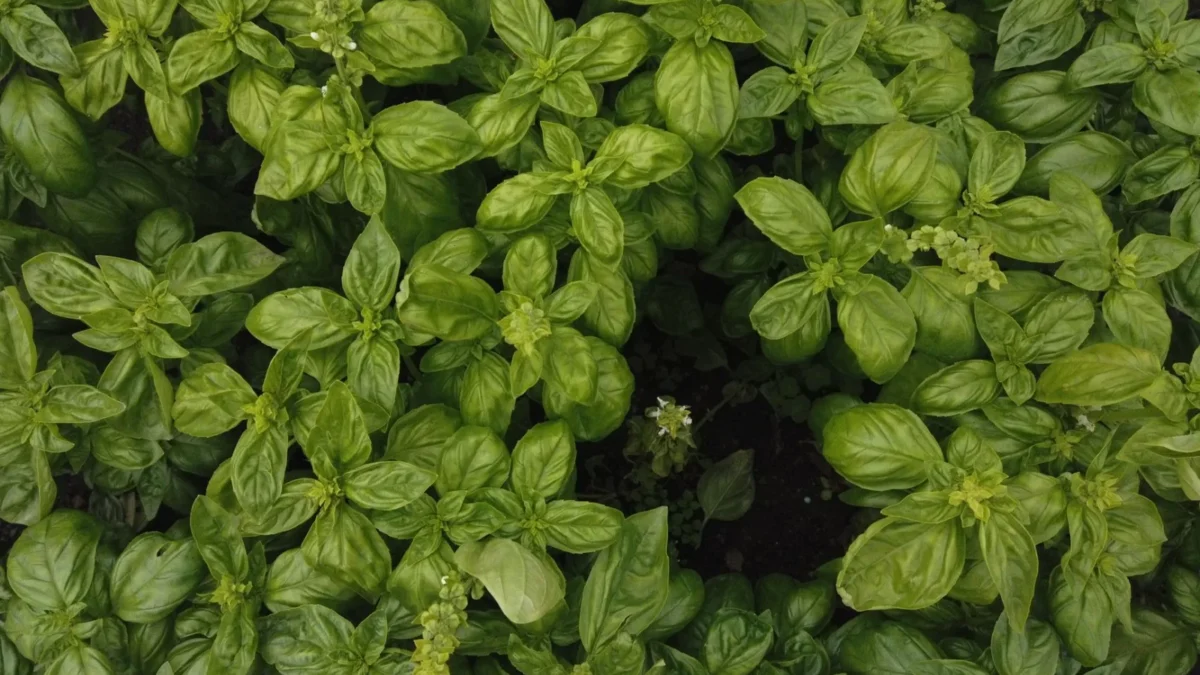
Quick answer: Your basil is turning yellow because of overwatering, poor soil drainage, nitrogen deficiency, cold temperatures, or occasionally disease. Each has a different fix, and you can identify which one by looking at which leaves yellow first and checking your watering routine and growing conditions.
| Botanical name | Ocimum basilicum |
|---|---|
| Light | 6-8 hours direct sun daily; benefits from afternoon shade; 12 hours artificial light indoors |
| Watering | Water when soil is dry 1/2 inch below surface; water often to prevent wilting |
| Temperature | 60-80°F (15.5-27°C); avoid temperatures below 40°F |
| Soil | Moist, well-drained soil; pH 6.0-7.5; avoid heavy clay and overly fertile sites |
| Feeding | Soluble fertilizer frequently; especially when lower leaves yellow from nitrogen deficiency |
| Size | 8-10 inches (Spicy Globe); 15 inches (Lettuce Leaf); varies by variety |
| Difficulty | easy |
| Cats | ✓ non-toxic |
| Dogs | ✓ non-toxic |
Common causes of yellowing basil leaves
| What you see | Likely cause | What to do |
|---|---|---|
| Entire lower leaves yellow, upper leaves normal | Nitrogen deficiency | Apply a soluble fertilizer frequently |
| All leaves yellow or drooping, soil soggy | Overwatering or poor drainage | Let soil dry slightly between waterings; check drainage holes |
| Leaves yellow, plant wilting despite moist soil | Cold temperature | Move to warmer location; keep between 60–80°F |
| Yellow patches with gray fuzzy underside, lower leaves first | Downy mildew | Remove affected leaves; avoid overhead watering |
| Pale or yellowed leaves, no pattern | Insufficient light | Provide 6–8 hours direct sun daily |
Watering—the most common cause
Basil needs moisture but hates sitting in wet soil. The line is narrow: basil needs moist, well-drained soil, yet it must be watered often enough so the plants do not wilt.
For outdoor garden basil, water deeply once per week, soaking the soil to 8 inches. In hot weather, outdoor container herbs may need daily watering. For indoor basil, water when soil is dry 1/2 inch below the surface.
The key mistake is leaving water sitting in saucers. Do not let plants stand with water in their saucers, even though they need frequent watering. Always water at the base of the plant; do not wet the foliage, as it will be more prone to disease.
Nitrogen deficiency and fertilizing
If the bottom leaves are turning yellow while the top stays green, your basil likely needs nitrogen. Yellowing leaves at the bottom of the plant identify nitrogen deficiency. The lower leaves turn yellow first because the plant moves nitrogen upward to new growth.
The fix is straightforward: use a soluble fertilizer when the lower leaves are turning yellow because they don’t have enough nitrogen. Water and fertilize basil plants frequently for best results.
Temperature and light
Temperatures below 40°F will discolor leaves. Basil is frost-sensitive; cool weather can dramatically slow its rate of growth. If you see yellowing and your plant is outdoors in cooler months, move it inside or wait for warmth.
Light also matters. Basil requires around 6–8 hours of sun every day and benefits from some shade in the afternoon. If your basil sits in a shaded spot with fewer than 6 hours of direct sun, yellowing leaves are a sign it’s stressed. For indoor basil, provide about 12 hours of artificial light daily.
Downy mildew
Rarely, yellowing points to downy mildew, a serious basil disease. It starts on lower leaves and moves up the plant, causing pale yellow areas on the upper side of the leaf with velvety grey fuzz on the underside.
If you spot this pattern, remove affected leaves immediately. Avoid overhead watering and minimize leaf wetness to prevent spread. If you’re planting fresh basil, know that all sweet basil varieties are very susceptible to downy mildew; Thai basil, lemon basil, lime basil, purple basil, and spicy basil have all been found to be less susceptible.
Prevention
Once you’ve fixed the problem, prevent it returning: maintain soil between pH 6.0 and 7.5 in moist but well-drained soil, avoiding heavy clay. Space plants 12 to 18 inches apart and position them in a very sunny site with enough space to promote rapid leaf drying from dew and rainfall. Water regularly without drowning the roots, and fertilize frequently during the growing season.
Read the full guide: Basil Care: The Complete Guide to Growing Healthy Plants Indoors and Outdoors
Was this article helpful?
More about Basil
The same problem in other plants
- Why Are My Zucchini Leaves Turning Yellow?
- Why Are My Cucumber Leaves Turning Yellow?
- Why Are My Tomato Leaves Turning Yellow?
- Why Are My Tomato Leaves Turning Purple?
Sources
Photo: Titouan Jullien / Pexels, Pexels