
Basil Ocimum basilicum
Basil Care: The Complete Guide to Growing Healthy Plants Indoors and Outdoors
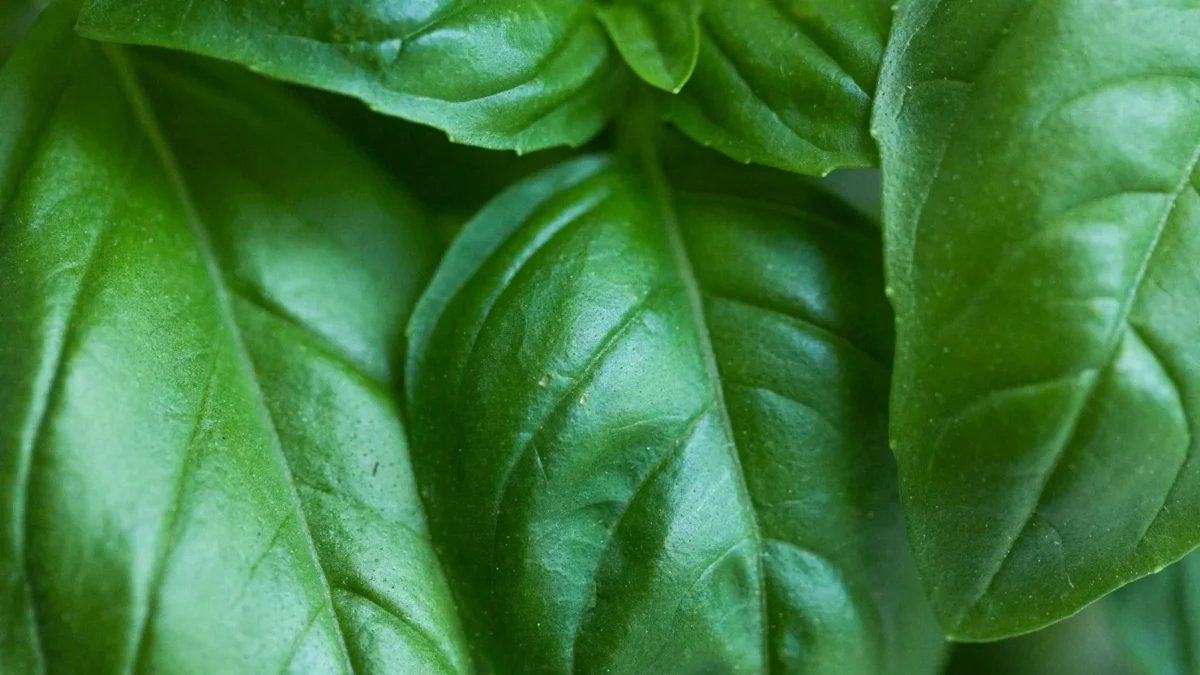
Basil care is straightforward once you understand the plant’s few key requirements. This tender annual thrives in warmth and bright light, rewards frequent watering and feeding, and produces abundant flavorful leaves for months with minimal attention. The same principles apply to a single pot on a sunny windowsill or a full garden bed: give basil sun, steady moisture, and regular harvesting, and you’ll have fresh leaves whenever you need them.
| Botanical name | Ocimum basilicum |
|---|---|
| Light | 6-8 hours direct sun daily; benefits from afternoon shade; 12 hours artificial light indoors |
| Watering | Water when soil is dry 1/2 inch below surface; water often to prevent wilting |
| Temperature | 60-80°F (15.5-27°C); avoid temperatures below 40°F |
| Soil | Moist, well-drained soil; pH 6.0-7.5; avoid heavy clay and overly fertile sites |
| Feeding | Soluble fertilizer frequently; especially when lower leaves yellow from nitrogen deficiency |
| Size | 8-10 inches (Spicy Globe); 15 inches (Lettuce Leaf); varies by variety |
| Difficulty | easy |
| Cats | ✓ non-toxic |
| Dogs | ✓ non-toxic |
Key points
- Basil needs 6–8 hours of direct sun daily outdoors, or 12 hours of artificial light indoors; afternoon shade is beneficial in hot climates
- Water when the top 1/2 inch of soil is dry indoors; water outdoor gardens deeply once weekly or container plants daily in hot weather
- Keep soil moist but well-drained, at pH 6.0–7.5, and avoid overly rich soil which reduces flavor
- Feed frequently with soluble fertilizer when lower leaves yellow
- Pinch flowerheads and harvest leaves regularly to keep the plant productive and prevent it from becoming woody and bitter
- Downy mildew and thrips are the most common problems; minimize leaf wetness and avoid overhead watering to prevent disease
Sunlight and Light Requirements for Basil
Basil needs 6–8 hours of direct sun every day, with full sun producing the best growth. In very hot climates, the plant benefits from some afternoon shade, which prevents leaf scorch while maintaining strong growth. Strong light increases essential oil production, which improves flavor and fragrance.
Indoor basil requires about 12 hours of artificial light daily. Position grow lights 2–3 inches above the plant and run them on a timer to ensure consistent daylength. Spicy Globe basil is an excellent choice for indoor growing as it’s slower to flower than most other varieties.
Watering Basil: Frequency and Best Practices
Basil needs both good drainage and constant moisture—a balance that confuses many growers. The trick is understanding that well-drained soil and consistent moisture are not opposites.
Watering outdoors
Outdoor basil in garden beds should be watered deeply once per week, soaking the soil to 8 inches. Outdoor container basil, however, may need daily watering in hot weather, since containers dry much faster than garden soil.
Watering indoors
Indoor basil should be watered when the soil is dry 1/2 inch below the surface. Check daily by pressing your finger into the soil—if it feels dry at that depth, water thoroughly until it drains from the bottom.
General principles
Basil must be watered often enough so the plants do not wilt. To prevent yellowing from moisture stress, water regularly but never let the pot stand in water; empty saucers after watering.
Water at the base of the plant using a soaker hose, drip irrigation, or hand-watering; do not wet the foliage, as wet leaves are more prone to disease.
Soil, Spacing, and Repotting for Basil
Basil grows in moist, well-drained soil with a pH between 6.0 and 7.5. Avoid heavy clay soils and overly fertile sites; rich soils promote fast, lush growth but actually reduce essential oil production, which lowers flavor and aroma.
Space basil plants 12 to 18 inches apart in locations with good air circulation. Spacing plants far apart promotes rapid leaf drying from dew and rainfall, which helps prevent disease.
For container growing, use a potting mix designed for herbs or vegetables—something light and draining, not garden soil. Repot to a larger container only if roots begin circling the bottom; basil grows quite fast and often doesn’t need repotting during a single season.
Fertilizing Basil for Maximum Growth
Water and fertilize basil plants frequently. A soluble fertilizer is the best choice when nutrients are needed quickly, particularly when the lower leaves are turning yellow because the plant lacks nitrogen. Lower leaves that yellow while the rest of the plant looks healthy signal nitrogen deficiency.
Apply soluble fertilizer every two to three weeks during the growing season, following the product label instructions. Dilute to half strength and apply after watering to avoid burning roots. Stop fertilizing in late summer if you plan to let the plant flower and set seed.
Harvesting Basil Leaves and Seeds
Harvesting leaves for kitchen use
Basil can be ready for harvest about a month after sowing seeds. Pick leaves when they are still tender, ideally just before flowering when flavor and aroma are at their peak. Mid-morning is the best time to harvest, as this is when oil content is highest.
Remove leaves from the top of the plant, pinching them off by hand or snipping with scissors. Once the plant is established, regular harvesting is the best way to encourage more leaves to continue developing.
Removing flowers
Pinch out flowerheads as they appear to ensure continued leaf growth. If allowed to seed, basil can become woody, less productive, and somewhat bitter; seed production also shortens the plant’s productive life.
Collecting seeds
If you want to save seeds, place a paper bag around the hanging herb with holes in the side for air circulation. As the seeds dry, they will collect on the bottom of the bag.
Storing fresh basil
Keep cut stems in water at room temperature for the longest shelf life. Basil will discolor if kept in the refrigerator for 10 days, so room-temperature storage is preferable.
Temperature Requirements
Ensure the temperature remains between 60–80°F (15.5–27°C). Temperatures below 40°F will discolor leaves. Basil is easily damaged in cold, and cool weather can dramatically slow its rate of growth. This makes basil a strictly warm-season plant; never plant it outdoors until after the danger of frost has passed.
Basil seeds germinate at 60 degrees or higher. Seedlings wither easily in intense sun; provide shade for young plants the first week after emergence.
Common Basil Problems: Yellow Leaves, Wilting, and Discoloration
Yellowing lower leaves. If only the oldest leaves (at the bottom of the plant) are turning yellow, the plant likely has a nitrogen deficiency. Apply a soluble fertilizer to green up the plant within a week or two.
Wilting despite moist soil. If the soil feels wet but the plant wilts, you’re overwatering. Make sure the pot drains fully and never leave it standing in water. Allow the soil to dry slightly between waterings, checking the top 1/2 inch daily.
Yellowing from cold. Temperatures below 40°F will discolor leaves, and recovery is slow once cold damage occurs. Bring indoor plants away from cold windows, and wait to plant outdoors until soil and air have warmed.
Pale or discolored foliage. Inconsistent watering, nutrient deficiency, or insufficient light can all cause off-color leaves. Review your watering schedule, fertilizer applications, and light exposure, adjusting whichever is lacking.
Pests and Diseases Affecting Basil
Downy mildew
Downy mildew is the most serious disease affecting basil. It starts on lower leaves and moves up the plant, causing pale yellow areas on the upper side of the leaf with velvety grey fuzz on the underside. Downy mildew is caused by a water mold called Peronospora belbahrii, not a true fungus, which means some fungicides may not be effective.
Prevent downy mildew by avoiding overhead watering and minimizing leaf wetness; keep humidity moderate and ensure good air circulation. All sweet basil varieties are very susceptible, but Thai basil, lemon basil, lime basil, purple basil, and spicy basil are less susceptible. Once infection is visible, remove affected leaves immediately and consider removing the entire plant if the disease is widespread, as infected plants are difficult to save.
Aphids
Aphids are small, soft-bodied insects usually green or yellow in color, found on the undersides of leaves and stems. Heavy infestations cause yellowed and distorted leaves and stunted shoots. Spray infested plants with insecticidal soap or a strong stream of water to dislodge them. Repeat every few days until populations decline.
Thrips
Thrips such as western flower thrips (Frankliniella occidentalis) are common pests with brown bodies about 1 mm in size. They suck juices from leaf tissue, causing white spots and leaf curling. Indoor plants under grow lights are particularly vulnerable. Use yellow sticky traps to monitor populations, and spray with insecticidal soap if damage is noticeable.
Companion planting for pest prevention
Cinnamon basil is sometimes planted near tomatoes and roses to discourage pests such as whiteflies, though the effectiveness varies by climate and growing conditions.
Is Basil Toxic to Cats and Dogs?
Basil is non-toxic to both dogs and cats. Pet owners can safely grow basil indoors or in accessible outdoor areas without worry. The plant poses no poisoning risk if nibbled or ingested.
Propagating Basil from Seeds and Cuttings
Growing from seed
Sow basil seeds directly into the ground after the danger of frost has passed. Seeds germinate at temperatures of 60 degrees or higher and typically germinate within five to seven days, though germination can take one to two weeks. Thin seedlings or transplant them once they develop their first true leaves.
For a head start on the growing season, sow seeds indoors six to eight weeks before planting outside. Use a seed-starting mix kept consistently moist but not waterlogged. Once seedlings develop true leaves, provide bright light (artificial or natural) to prevent them from becoming leggy.
Growing from cuttings
Basil can be propagated from cuttings taken from an established plant. Snip 3–4 inches of stem just below a leaf node, remove the lowest leaves, and place the cutting in a glass of water or moist seed-starting mix. Roots form within a week or two. Once roots are visible and about an inch long, pot up the cutting into soil and grow on as you would a seedling.
Basil cuttings taken from plants already flowering will mature faster than seed-grown plants but may flower sooner, reducing your harvest window.
Was this article helpful?