
Basil Ocimum basilicum
Why Are My Basil Leaves Turning Black
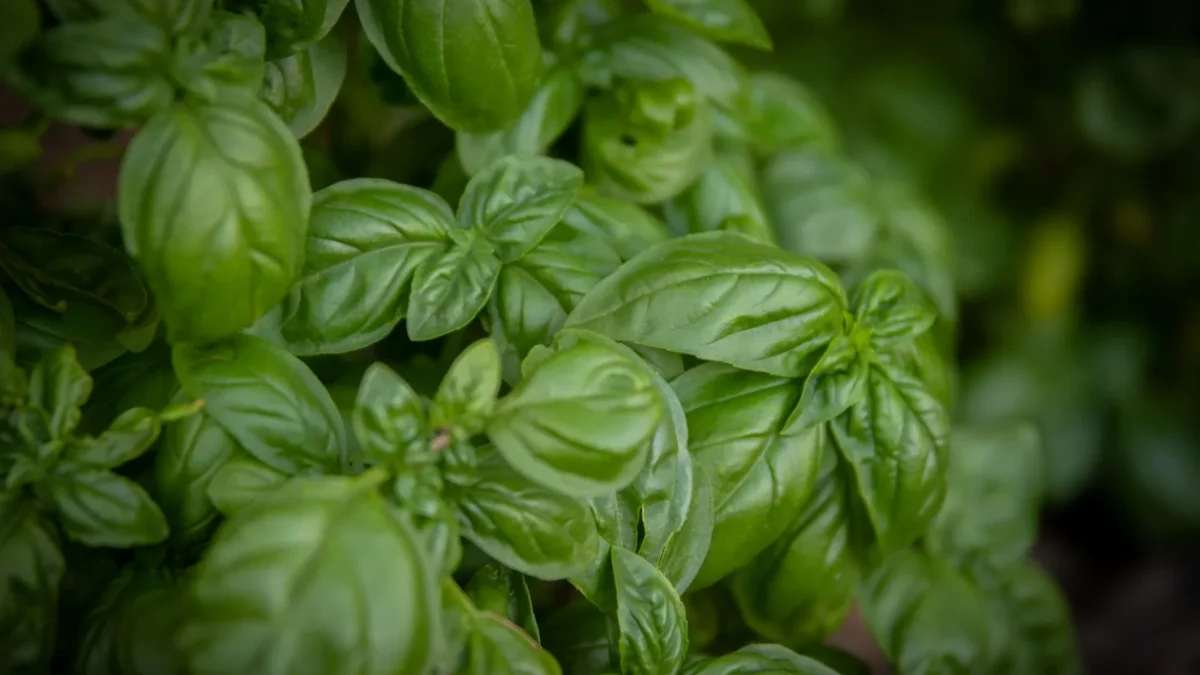
Quick answer: Basil leaves turning black usually signals frost damage, a fungal or bacterial disease, or improper storage. Cold temperatures below 40°F are the most common culprit for blackening leaves on living plants.
| Botanical name | Ocimum basilicum |
|---|---|
| Light | 6-8 hours direct sun daily; benefits from afternoon shade; 12 hours artificial light indoors |
| Watering | Water when soil is dry 1/2 inch below surface; water often to prevent wilting |
| Temperature | 60-80°F (15.5-27°C); avoid temperatures below 40°F |
| Soil | Moist, well-drained soil; pH 6.0-7.5; avoid heavy clay and overly fertile sites |
| Feeding | Soluble fertilizer frequently; especially when lower leaves yellow from nitrogen deficiency |
| Size | 8-10 inches (Spicy Globe); 15 inches (Lettuce Leaf); varies by variety |
| Difficulty | easy |
| Cats | ✓ non-toxic |
| Dogs | ✓ non-toxic |
| What you see | Likely cause | What to do |
|---|---|---|
| Black or dark patches on leaves after cold weather | Frost damage | Trim damaged leaves; move plants indoors or provide shelter before temperatures drop below 40°F |
| Yellowing leaves first, then dark/black areas | Downy mildew | Remove affected leaves; improve air circulation; avoid overhead watering |
| Black spots scattered on leaves | Bacterial disease or severe pest damage | Remove affected leaves; ensure good drainage and airflow |
| Blackening or discoloration after 10+ days in the fridge | Storage damage | Store basil at room temperature with stems in water instead |
| Wilting followed by blackening | Extreme cold or severe underwatering | Check soil moisture and move away from cold drafts |
Cold damage: the most common reason
Basil is among the most tender annual herbs. Temperatures below 40°F will discolor leaves, turning them black or dark brown. This happens because basil’s cells cannot handle freezing or near-freezing conditions. Once temperatures drop, cool weather also dramatically slows the plant’s growth rate, making recovery slow.
If frost hits your basil, pinch off the blackened leaves and stems at their base. The plant may recover if the damage isn’t severe, but any frost-touched growth is essentially dead tissue. In autumn, move containerized basil indoors well before the first frost, or cover outdoor plants with frost cloth on cold nights.
Fungal and bacterial diseases
Downy mildew is the most serious disease basil faces. It starts as pale yellow areas on the upper leaf surface with velvety grey fuzz on the underside, and can eventually turn leaves black as the disease progresses. All sweet basil varieties are very susceptible, though Thai basil, lemon basil, lime basil, purple basil, and spicy basil are less prone to it.
Prevent downy mildew by avoiding overhead watering—water at the base of each plant instead. Space your basil 12 to 18 inches apart so air circulates freely around the foliage, helping leaves dry quickly after rainfall or watering. Remove and dispose of any infected leaves immediately to stop the spread.
Storage blackening
If your basil is turning black in the refrigerator, that’s expected damage. Basil will discolor if kept in the fridge for 10 days. Instead, store basil at room temperature with the stems standing in water, like a bouquet. This keeps it fresh and green for much longer.
Can basil leaves turn purple?
Some basil varieties naturally have purple foliage or purple lacing on green leaves. This is normal color variation, not damage. If your green basil is developing purple or black patches that weren’t there before, it’s likely frost damage or disease rather than a natural color change.
How do I prevent basil from turning black?
Keep temperatures between 60–80°F, water regularly without letting soil dry out completely, and provide 6–8 hours of direct sun daily. Avoid overhead watering and space plants far enough apart for rapid leaf drying. Bring outdoor plants indoors before cold weather arrives.
Read the full guide: Basil Care: The Complete Guide to Growing Healthy Plants Indoors and Outdoors
Was this article helpful?
More about Basil
Sources
- Five Warm Season Herbs Nicole Sanchez June 2020 …
- plantvillage.psu.edu
- Growing herbs in home gardens
Photo: Magda Ehlers / Pexels, Pexels